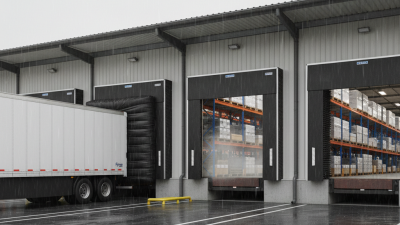
A credible comparison of the Top 10 Suppliers of Dock Seals Worldwide should start with performance, not polished product photos. Dock seals help close the gap between a trailer and a loading-bay wall, where wind, rain, dust, and temperature differences can affect daily operations. Fit matters. So does durability.
The U.S. Department of Energy’s Better Buildings resources discuss air leakage and energy performance in commercial buildings, but they do not provide a verified global ranking of dock-seal suppliers. Market reports also vary in scope, often grouping seals with shelters or broader loading-dock equipment. That makes supplier claims difficult to compare without checking product specifications, test methods, and warranty terms. A useful shortlist should examine seal type, opening dimensions, fabric and foam construction, stated operating conditions, and service coverage.
One detail can be easy to miss: a seal that looks substantial may still fit a site poorly. Buyers should compare the actual trailer range and dock geometry, then confirm how the supplier supports installation and maintenance. The source material provided for this request does not identify a verifiable dock-seals expert or include an attributable quotation. Rather than invent one, this overview treats expert claims as something to verify against named, published sources. That caution is deliberate. A supplier list is only as useful as its evidence.
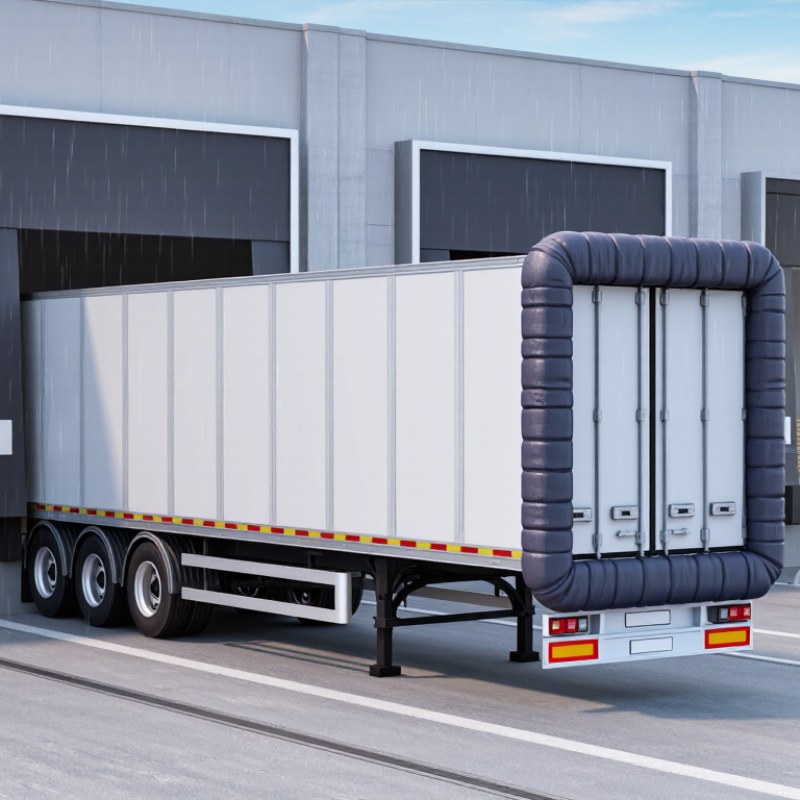
Dock seals form a flexible contact point between a building and a trailer, helping limit drafts, rain, and debris around the loading opening. Foam-pad designs use resilient side and head pads that compress against the vehicle. They are straightforward and can suit docks serving trailers with fairly consistent dimensions. Repeated impacts, however, may flatten foam or loosen its covering. Fit matters more.
Inflatable seals use air-filled chambers that expand around a parked trailer and retract when it leaves. This adjustable contact can help facilities handling different trailer widths or heights. The system also adds components, such as a blower and controls, that need inspection and upkeep. A small air leak can reduce performance, so maintenance access should be considered before installation. Inflatable does not mean maintenance-free.
Brush designs use flexible bristles to close gaps along the sides or top. They can accommodate some uneven edges, but generally provide less insulation than a well-fitted foam or inflatable seal. Dust and wear can also change how they perform. That trade-off is real. Before choosing a design, measure the dock opening and review trailer variation, traffic, exposure to wind, and clearance around the dock leveler. Measurements may still miss daily operating habits, so an on-site trial can reveal problems a specification sheet cannot.
Typical defining features of three common dock-seal designs. Values indicate whether a feature is characteristic of the design, not a performance score; individual products may vary.
For many warehouses, an 8 × 10 ft dock opening is a familiar planning reference, not a guaranteed fit. Measure the clear opening, wall face, and dock height before comparing suppliers. Small gaps matter. A seal sized only from nominal dimensions may leave daylight at the sides or top.
A three-sided configuration typically uses two vertical side pads and one head pad. As a truck backs in, its rear body compresses the pads to form a closer perimeter around the opening. The right projection depends on truck dimensions, loading position, and how far the vehicle can safely approach the wall. Check that the seal does not interfere with the overhead door, dock leveler, bumpers, or trailer movement. Measure twice.
Cover fabric, foam resilience, and stitching affect wear in daily use. Ask suppliers how their products handle repeated compression, abrasion, and local weather exposure. A drawing can look convincing and still miss an uneven wall or an unusually tall trailer. That is easy to overlook. Share measurements from several common vehicles, and confirm the proposed layout against actual site conditions before ordering. Dock seals can reduce drafts and help limit rain and dust entry, but no configuration closes every gap in every loading scenario.
Dock seals are often compared by how firmly they close around a trailer, but compression alone can mislead. A seal that needs excessive force may deform panels or make docking harder.
Ask suppliers for force-deflection data, including the test method, sample thickness, and conditioning. ASTM D3574 includes methods for evaluating flexible cellular foam, such as compression force deflection and compression set. It is a useful foam reference, not a complete test of an installed dock seal.
Small gaps matter.
Air leakage needs a separate, practical check. Measure airflow across a representative seal-and-trailer interface under a stated pressure difference, and record the trailer position and contact conditions. A smoke pencil can reveal drafts around corners, but it does not quantify leakage.
Results from different setups are hard to compare. That is not a perfect comparison.
In the field, trailer height, worn bumpers, and uneven walls can change the reading within minutes. Ask for repeat tests and clear test conditions, not just a single figure.
Foam can pass a material test and still perform poorly if its cover, shape, or installation leaves gaps. A careful supplier should explain both the laboratory data and its limits.
A worldwide comparison of ten dock seal suppliers should look beyond product lists. Common offerings include foam-filled head pads, side seals, inflatable systems, and adjustable dock shelters. Each design suits different trailer sizes and loading patterns. Some suppliers focus on standard openings; others build around measured site conditions. Small details matter. Foam density, outer-cover fabric, and replaceable wear panels affect service life.
Regional coverage varies. North American suppliers often support warehouses with frequent truck movements and broad seasonal temperature swings. European manufacturers commonly offer compact designs for constrained loading bays. Across Asia-Pacific, suppliers serve both new industrial facilities and retrofit projects. Middle Eastern and African coverage may rely more heavily on regional distributors. That distinction matters: a sales office does not always mean local inventory or fast replacement parts.
When comparing ten candidates, check installation support, lead times, and available seal dimensions alongside the product range. Ask how covers resist abrasion from trailer corners and repeated contact. Regional claims can be vague. A supplier may ship worldwide but provide limited on-site service. No single option fits every dock, and product descriptions rarely show the whole picture. Requesting drawings and site measurements can prevent avoidable gaps.
A dock seal should match the opening, vehicle mix, and approach conditions—not just the catalogue dimensions. Measure the clear width and height, projection, and bumper position, then compare them with the largest and smallest trucks regularly used. Allow for uneven floors and trailers that sit off-centre. Measure twice. The U.S. Energy Information Administration’s 2018 Commercial Buildings Energy Consumption Survey counted 8.1 billion square feet of warehouse and storage space. That scale makes fit and operating conditions important, but the figure does not predict savings from any particular seal.
For durability, ask suppliers to identify the fabric weight, abrasion resistance, stitching, and replaceable wear components. Request test methods and service-life assumptions, not vague claims such as “heavy-duty.” Check whether the design tolerates frequent reversing, wind, rain, and temperature changes at your site. No material is indestructible. Service quality matters when a torn panel leaves a gap: confirm response times, technician coverage, parts availability, and repair options in writing. Warranty scope deserves the same scrutiny. Clarify what is covered, for how long, and whether labor, freight, UV exposure, and damage from vehicle impact are excluded. A long warranty can still offer little protection if exclusions are broad. Ask for a sample warranty and references from facilities with similar traffic, then compare the actual terms against your maintenance records.
This is a supplier-type comparison, not a verified ranking of named companies. Product specifications, service coverage, and warranty terms vary by supplier and model; confirm them in the written quotation and warranty documents.
| No. | Anonymous Supplier Type | Fit and Application | Durability Checks | Service to Confirm | Warranty Scope to Confirm | Best-Fit Buying Scenario |
|---|---|---|---|---|---|---|
| 1 | Custom dock-equipment manufacturer | Can assess opening dimensions, vehicle range, and site conditions for a made-to-order fit. | Request fabric specifications, seam construction, abrasion resistance details, and installation references. | Check whether site measurement, installation, and replacement parts are available in the project region. | Check coverage for materials and workmanship separately; ask about exclusions and claim procedure. | Non-standard openings or sites with several vehicle sizes. |
| 2 | Regional loading-dock equipment manufacturer | Typically offers locally configured dock products; verify the available seal sizes and adjustment options. | Review fabric weight, reinforcement at wear points, and suitability for the expected traffic level. | Confirm local technician availability, response arrangements, and spare-part lead times. | Obtain the written term, start date, covered components, and labor coverage. | Projects that value nearby installation and after-sales support. |
| 3 | Industrial-door specialist | May coordinate seals with door and dock openings; confirm compatibility with existing equipment. | Ask how the seal material performs under the site's temperature, weather, and repeated-contact conditions. | Check whether one service team can support both the door and the seal. | Clarify whether a combined installation affects coverage for either product. | Facilities upgrading a door and dock interface together. |
| 4 | Loading-bay system integrator | Can coordinate seals with levelers, shelters, vehicle restraints, and building layout. | Request component specifications and identify which party is responsible for each product. | Confirm commissioning, maintenance coordination, and responsibility for troubleshooting. | Request separate coverage details for each component and for integration work. | New-build or multi-product loading-bay projects. |
| 5 | Industrial textile fabricator | May produce made-to-measure fabric assemblies; check that the design suits dock use and vehicle contact. | Ask for fabric coating, tear and abrasion data, reinforcement details, and cleaning guidance. | Verify whether the fabricator also supplies installation and field repairs. | Check whether coverage includes fabric, stitching, and on-site labor. | Replacement curtains or custom fabric components. |
| 6 | Foam-core seal specialist | Suitable designs may use compressible foam pads; match projection and width to the vehicle and opening. | Check foam recovery, cover material, attachment method, and expected wear at contact areas. | Ask about replacement pads, covers, and support for measuring the opening. | Confirm whether foam, cover, fasteners, and installation are covered. | Sites seeking a compressible perimeter seal for a defined vehicle range. |
| 7 | Inflatable dock-shelter provider | Inflatable designs require suitable power, controls, clearance, and an appropriate operating sequence. | Review bladder and cover materials, fan or blower specifications, and maintenance requirements. | Confirm local support for electrical or control components and availability of replacement parts. | Clarify coverage for fabric, blower, controls, and electrical work individually. | Operations needing a close seal across varying vehicle dimensions. |
| 8 | Vehicle-restraint and dock-equipment supplier | Can assess how the seal interacts with restraint equipment and trailer positioning. | Check wear resistance and whether the design accommodates the facility's operating procedure. | Ask about inspection and maintenance support for the full dock setup. | Determine if the seal and restraint have separate warranty terms and service channels. | Sites coordinating vehicle restraint and weather-sealing upgrades. |
| 9 | Dock-seal retrofit and replacement supplier | Focuses on replacing worn components or adapting seals to existing openings; confirm measurements before ordering. | Compare replacement material and construction with the original, especially at high-wear areas. | Check whether installation help, measurement review, and future replacement parts are offered. | Confirm if warranty applies to retrofit parts only or also to installation. | Facilities extending the life of existing loading-bay equipment. |
| 10 | Project-based logistics infrastructure contractor | May coordinate procurement and installation across multiple sites; verify the actual seal manufacturer and model. | Require product data sheets and consistent specifications for every site in the project. | Confirm who handles installation quality, training, maintenance, and post-project support. | Identify the legal warranty provider and how claims are handled across locations. | Multi-site rollouts with centralized procurement and project coordination. |
Selection note: Compare suppliers using the same opening measurements, vehicle dimensions, operating conditions, installation scope, and written warranty questions. Do not treat a supplier category as proof of a particular product's performance.