How to Choose the Right Dock Seals for Your Business?

Choosing the right dock seals begins with understanding how your loading bay actually operates. A frozen-food warehouse needs tighter thermal control than a dry-goods facility. A high-volume distribution center needs durable materials and quick trailer access. These differences matter.

The U.S. Department of Energy’s Better Buildings guidance identifies loading docks as important areas for reducing air leakage and energy loss. The Occupational Safety and Health Administration also emphasizes controlled dock access, adequate visibility, and safe vehicle positioning in its loading dock safety guidance. These recommendations support a practical point: dock seals are not merely cushions around a doorway. They influence temperature stability, worker protection, pest control, and daily operating costs.

MHI’s 2024 Annual Industry Report shows that supply-chain leaders continue investing in resilience, efficiency, and operational visibility. A poorly fitted seal can undermine those goals. Gaps may allow rain, dust, insects, or cold air to enter while a trailer is being loaded. Small defects become expensive over repeated shifts.

Measure carefully.

Trailer heights, door widths, building conditions, and traffic patterns should guide the specification. Foam density, fabric durability, projection, compression, and replacement access also deserve attention. I have seen buyers focus only on purchase price, then discover that damaged dock seals create recurring maintenance problems. That approach is understandable, but incomplete.

This guide explains how to compare dock seals using operating evidence rather than generic claims. It also considers an uncomfortable possibility: the best seal on paper may perform poorly when installation, trailer variation, or staff habits are ignored. Reliable selection requires site measurements, supplier expertise, and a willingness to review real performance after installation.
How to Choose the Right Dock Seals for Your Business?

Understanding Dock Seal Types and Their Core Functions

How to Choose the Right Dock Seals for Your Business?
Understanding Dock Seal Types and Their Core Functions

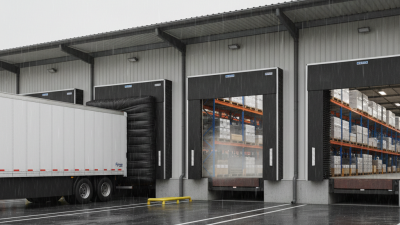
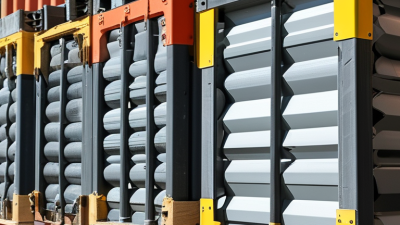
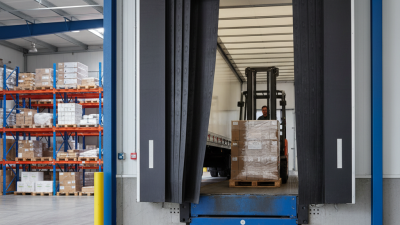
Dock seals close the gap between a loading dock and a vehicle, creating a tighter transfer area. This barrier helps limit drafts, rain, dust, insects, and temperature loss. Foam compression seals suit facilities with consistent trailer sizes and frequent loading activity. They press against the vehicle sides when the trailer reverses into position. Inflatable seals offer greater flexibility for mixed vehicle heights and widths. They inflate around the trailer, improving contact where fixed foam may leave gaps. Dock shelters use adjustable curtains instead of solid foam. They provide wider access, but exposed edges may experience more wear.

The right choice depends on dock dimensions, trailer variation, traffic frequency, and local weather. Measure the trailer’s rear before ordering. A seal that is too thick can restrict door movement or create pressure on the vehicle. One that is too small may leak air and water. In site assessments, I also check bumper projection and loading patterns. These details are easy to overlook. They often decide whether the seal performs reliably. No option is perfect.

Tips: Compare several trailer types, not only the most common one. Inspect compression marks after installation. Uneven marks may reveal poor alignment or excessive impact. Choose durable coverings for busy docks, and schedule regular checks for torn fabric, crushed foam, or loose fasteners. Small defects can become expensive energy losses.

Assessing Your Loading Dock’s Dimensions and Operating Conditions

Choosing a dock seal starts with measurements, not a catalogue picture. Record the door opening width and height, dock height, platform projection, and wall clearances. Measure several bays if trailers vary. A two-centimetre error can create visible side gaps and faster fabric wear. Check the seal’s compressed depth against the trailer body. It should close the perimeter without blocking doors or lights.

Operating conditions matter just as much. Note daily truck movements, trailer types, wind exposure, washdown routines, and indoor temperature swings. Cold storage needs flexible materials that remain workable at low temperatures. Busy docks need stronger wear surfaces and replaceable sections.

The U.S. Bureau of Labor Statistics reported 1,495 fatal injuries in transportation and material-moving occupations in 2023, representing 28% of all workplace fatalities. That figure is not caused by dock seals alone, but it reinforces the need for controlled trailer gaps and clear visibility. ANSI MH30.1 also emphasizes compatible dock equipment and safe operating clearances.

Tips:

Use a tape measure and photographs. Measure a loaded trailer, not only an empty bay. Ask drivers where contact occurs. Inspect the top corners after several weeks. A neat-looking fit can still fail during rain or crosswinds. I would also record seal damage by location, then adjust the design instead of replacing identical parts. This step is easy to skip. It is often the most useful evidence.

The Energy Information Administration reports that space heating and cooling remain major industrial energy loads, so limiting outdoor air exchange can support temperature control.

Comparing Materials, Durability, and Weather Resistance

Choosing dock seals starts with the working environment, not appearance.

Foam seals are economical and compress easily around trailers. However, repeated impacts can crush their cells and reduce recovery. Fabric-faced seals offer better abrasion resistance for busy loading bays. Rubber seals usually tolerate moisture, oil, and temperature swings more effectively. ASTM D2000 classifications can help compare elastomer performance by hardness, heat resistance, and chemical exposure.

Weather resistance also affects operating costs. The U.S. Department of Energy estimates that air leakage can account for 20% to 30% of heating and cooling energy use in buildings. ASHRAE Handbook guidance links infiltration to wind, temperature differences, and opening frequency.

A poorly fitted seal may therefore admit cold rain, dust, and strong drafts. In coastal areas, salt exposure deserves attention. In cold climates, flexible materials matter because stiff edges leave visible gaps. Still, no material performs perfectly. Installation errors can defeat an expensive seal.

Tips:

  • Measure trailer height, width, and rear-door swing before ordering.
  • Check compression after several loading cycles, not only on day one.
  • Ask for test data covering temperature, abrasion, and water resistance.
  • Inspect corners and bottom edges monthly.
  • A practical trial at one dock may reveal problems that a specification sheet misses.
  • Choose replaceable sections when impact damage is common.
  • Consider reflective markings for safer night operations, where local requirements permit.

Selecting the Right Dock Seal for Your Business Requirements

How to Choose the Right Dock Seals for Your Business?

Selecting the Right Dock Seal for Your Business Requirements

Choosing a dock seal starts with your loading area, not a product catalogue. Measure trailer heights, widths, door openings, and approach angles. Record these dimensions during busy loading periods. Vehicles may not align perfectly.

A suitable seal should match your trailer mix and loading frequency. Foam side pads work well where trailers reverse into a consistent position. Inflatable designs can support wider vehicle variation, but they need reliable air equipment and regular checks. Consider temperature, rain, sunlight, and dust around the dock. Dense, weather-resistant materials usually last longer in harsh environments. Still, thicker is not always better. Excessive compression can make docking difficult and increase wear.

Look closely at daily movement. Does a forklift pass through often? Are doors opened repeatedly? These details affect seal shape and durability. A seal that performs well in a quiet warehouse may struggle at a high-volume distribution site. I have seen teams choose by price alone, then replace damaged foam within months. That decision needs reflection. The lowest initial cost may create more downtime.

Ask installers to verify clearance before purchase. Check the dock leveler, vehicle restraints, lights, and emergency access. Plan simple inspections for torn fabric, exposed foam, loose fasteners, and water gaps. Keep repair records. Small defects rarely improve by themselves. A practical choice protects cargo, reduces air leakage, and fits the actual rhythm of your operation.

How to Choose the Right Dock Seals for Your Business? - Selecting the Right Dock Seal for Your Business Requirements

Dock Seal Type Typical Application Suitable Vehicle Profile Main Advantages Important Limitations Best Fit by Business Requirement
Standard Compression Seal General warehouses, distribution centers, and loading docks with consistent trailer traffic. Common truck and trailer sizes with relatively uniform rear dimensions. Simple design, reliable sealing, reduced drafts, and comparatively low installation complexity. Can restrict access if the seal is too narrow or if vehicles vary significantly in width or height. A cost-conscious operation with predictable vehicle dimensions.
Adjustable Head Pad Seal Facilities receiving trailers with different heights or mixed delivery fleets. Vehicles with varying roof heights and rear-door positions. Improves sealing across a broader range of vehicle heights and helps reduce unnecessary gaps. Requires correct adjustment and may involve more components than a fixed seal. A business handling mixed trailer heights or changing delivery schedules.
Retractable Dock Seal High-volume docks where unrestricted vehicle access and reduced seal damage are priorities. Mixed fleets, including vehicles that may not align perfectly with a fixed seal. Can move away from the vehicle when not in use, helping protect the seal and improve dock clearance. Higher initial cost and greater maintenance requirements than basic fixed designs. A busy facility seeking longer service life and flexible vehicle compatibility.
Inflatable Dock Seal Temperature-controlled warehouses, cold storage, and facilities with strict environmental-control needs. A range of vehicle widths and heights when precise enclosure is required. Creates a close seal around the vehicle, helping limit air exchange, dust, pests, and weather exposure. Higher purchase and maintenance costs; requires an air system and suitable operating procedures. A business prioritizing temperature stability, hygiene, and energy control.
Brush Dock Seal Applications requiring flexible contact around irregular vehicle surfaces or loading equipment. Vehicles with uneven rear contours, protrusions, or varied door configurations. Flexible bristles can accommodate uneven surfaces while allowing comparatively easy vehicle movement. Generally provides less air-tight closure than an inflatable or fully compressed foam system. A facility needing adaptability around irregular vehicle geometry.
Foam Pad Dock Seal Standard loading docks where a durable, straightforward perimeter seal is needed. Vehicles that reverse consistently into the dock and compress the side pads evenly. Provides a dependable barrier against rain, wind, light, and outdoor contaminants. Repeated impact, poor alignment, or excessive compression can shorten pad service life. A conventional dock with controlled reversing and regular trailer dimensions.

Key Selection Criteria

Selection Dimension What to Evaluate Practical Decision Guideline
Vehicle Dimensions Trailer width, height, rear-door position, and variation between vehicle types. Use a fixed seal for consistent fleets; select adjustable, retractable, brush, or inflatable designs for greater variation.
Dock Opening Opening width and height, dock position, wall construction, and available clearance. Measure the opening and surrounding structure before specifying seal dimensions.
Climate and Exposure Rain, wind, snow, dust, sunlight, humidity, and temperature differences. Choose materials and construction suited to local weather and expected exposure frequency.
Temperature Control Need to maintain chilled, frozen, or conditioned space during loading. Consider an inflatable or closely fitting seal when limiting air exchange and energy loss is critical.
Traffic Frequency Number of loading cycles per day and the likelihood of impact or misalignment. High-traffic docks may justify retractable or reinforced designs that reduce repeated damage.
Maintenance Capacity Availability of inspection, cleaning, repairs, and replacement parts. Select a simpler fixed system when maintenance resources are limited; plan preventive checks for moving or inflatable systems.
Total Cost of Ownership Purchase, installation, energy use, repairs, downtime, and expected service life. Compare long-term operating costs rather than choosing solely by initial purchase price.

Note: Final dock seal dimensions should be confirmed using the actual dock opening, vehicle measurements, reversing clearances, and site conditions.

Planning Installation, Maintenance, and Long-Term Performance

Choosing the right dock seals starts with site conditions, not catalog dimensions. Measure the opening width, height, and trailer contact points. Record common trailer sizes and loading patterns. A seal that looks correct may compress unevenly. In field inspections, I check wall condition, traffic patterns, and weather exposure. These details guide material, projection, and mounting height. Ask dock operators for their observations. Their experience often reveals damage before drawings do. Do not guess.

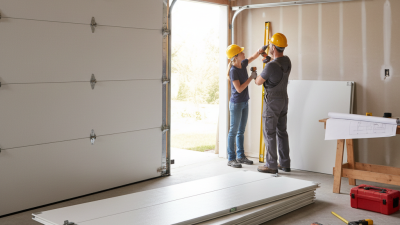
Installation planning should leave clearance for dock leveler movement and vehicle alignment. Confirm the frame is square before fixing it to the wall. Use suitable fasteners for the building structure. Protect exposed edges from forklift impact. A short toolbox briefing helps operators understand safe positioning. I have seen a perfect installation plan fail because drivers turned too tightly. That mistake was preventable. Review it honestly, then improve barriers, markings, or traffic control.

Maintenance should be scheduled before visible damage becomes a loading problem. Inspect weekly for torn fabric, loose fasteners, crushed foam, and water gaps. Clean dirt from contact surfaces and repair small faults promptly. Keep records with dates, photographs, and weather notes. These details support reliable decisions later. Long-term performance also depends on replacement timing. A seal that becomes too stiff can resist trailer contact. One assumption may be wrong. Recheck measurements when trailer fleets or dock usage changes. Practical evidence should outweigh habit.