Top Dock Seals for Warehouses Which Is Best?
Choosing the best dock seals is not a catalog exercise. It is a fit test. A seal must suit the truck fleet, door dimensions, traffic pattern, and weather exposure. A warehouse with mixed trailer heights may need a different solution from a site serving one standard fleet. The wrong fit can leave visible gaps at the corners. It can also wear quickly where trailers rub the fabric.
The U.S. Energy Information Administration’s 2018 Commercial Buildings Energy Consumption Survey tracks energy use across warehouse and storage buildings. It does not rank dock-seal products, so buyers should treat it as building-level context, not proof that one seal saves a fixed amount. The U.S. Department of Energy’s Better Buildings resources likewise encourage facility teams to examine building performance and air leakage. Neither source replaces an on-site measurement. Small details matter: measure the opening, inspect the dock face, and note how trailers actually sit.
Energy-efficiency expert Amory Lovins is widely credited with saying, “The cheapest energy is the energy you don’t use.” That principle supports careful sealing, but it is not a product guarantee. For this guide, “best” means a seal that fits the real fleet, withstands daily contact, and remains maintainable. One caveat is easy to miss: no dock seal can correct a damaged dock face or inconsistent trailer positioning. I would not pretend otherwise. The comparison ahead weighs foam, inflatable, and adjustable designs against those practical conditions.
What Are Dock Seals and How Do They Improve Warehouse Efficiency?
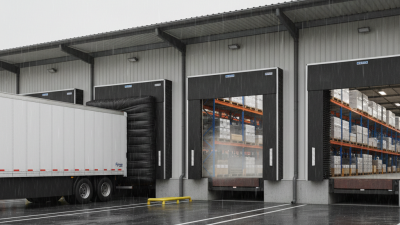
A dock seal is a padded barrier fitted around a warehouse loading door. It presses against a truck or trailer during loading. The side pads close the gaps beside the vehicle. The head pad covers the upper opening. This simple enclosure reduces drafts, rain, dust, and temperature loss.
A well-fitted seal can make loading areas more comfortable and energy-efficient. It helps prevent conditioned air from escaping during long loading periods. Workers also face fewer sudden weather changes near the dock. In refrigerated facilities, this control can support stable product temperatures. However, measurements matter. The seal should match the dock height, door width, and common trailer sizes. Poorly fitted pads may tear or block vehicle movement.
Foam quality matters.
Dense foam usually resists repeated compression better. A durable outer fabric can handle contact with trailer edges and daily abrasion. Operators should inspect torn covers, flattened foam, loose fasteners, and damaged bumpers every week. Small gaps may seem harmless, but they can increase energy use over time. It is easy to assume the thickest seal is the best choice. That is not always true. An oversized seal may interfere with doors or create pressure on the trailer. The best option balances fit, movement, climate control, and maintenance access. Testing one dock during real shifts can reveal problems that measurements alone miss.
How Dock Seals Work: 3–4 Inches of Compression for a Tight Seal
Top Dock Seals for Warehouses: Which Is Best?
A dock seal works by pressing against a trailer’s rear corners and sides. Proper installation usually allows 3–4 inches of compression when the trailer contacts the seal. This compression closes visible gaps around the loading bay. It also limits drafts, dust, rain, and temperature exchange. The seal should compress evenly, not flatten completely. Uneven pressure often reveals poor dock alignment or incorrect seal height.
ASHRAE’s HVAC Applications Handbook explains that air infiltration increases with pressure differences, wind, and opening size. Those factors make dock doors important in conditioned warehouses. The U.S. Department of Energy reports that industry uses about 30% of total U.S. energy consumption. A small leak may seem harmless. Repeated trailer changes can make it expensive, especially in refrigerated areas. Field checks should measure the seal face, trailer position, and visible daylight. A simple smoke pencil can help identify moving air.
Fit matters more than appearance.
Operators should inspect compression marks weekly. Look for torn corners, hardened foam, and gaps above the trailer roof. A seal that compresses only one inch may not close the opening. Excessive compression can damage the trailer or shorten seal life.
Real docks are rarely perfect. Vehicle heights vary, and that weakness deserves honest attention. Reports from the Air Movement and Control Association also emphasize that pressure and airflow testing require site-specific conditions. Manufacturers’ dimensions are useful, but on-site measurements remain essential.
Dock Seal vs. Dock Shelter: Comparing 4–10-Foot Trailer Coverage
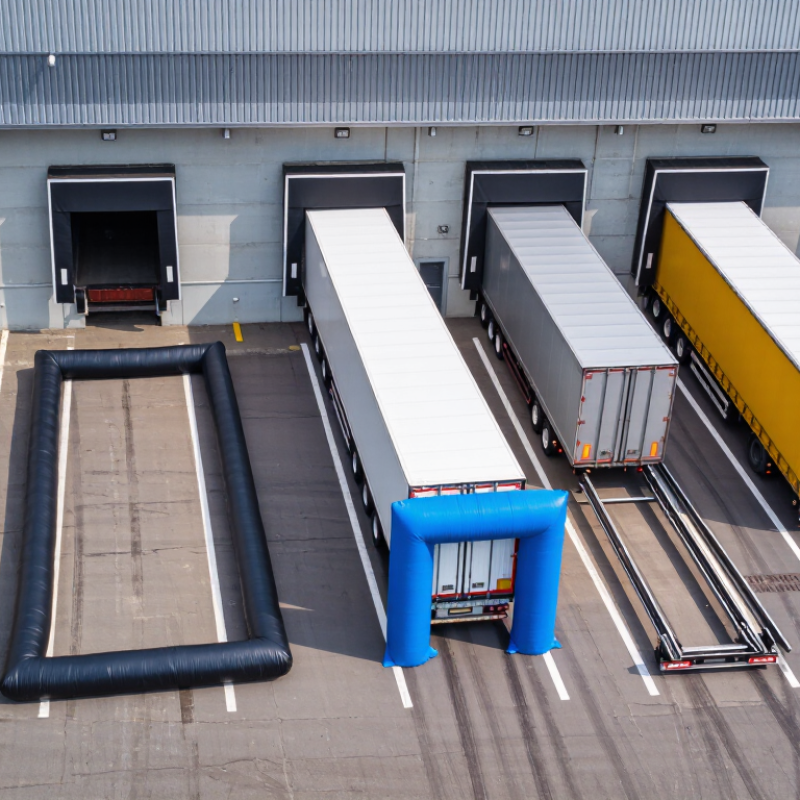
A dock seal fits tightly around a parked trailer, compressing against its sides and roof. It works best when trailer dimensions stay consistent. A dock shelter uses a frame and flexible curtains, leaving more room for different trailer widths and heights. For trailers varying roughly 4–10 feet in height, that flexibility can matter: a seal may leave gaps or compress unevenly, while a shelter can accommodate a wider range of vehicle shapes. Neither option guarantees a perfect fit.
The U.S. Energy Information Administration’s 2018 Commercial Buildings Energy Consumption Survey reports that warehouses and storage buildings are among the commercial building types it tracks for energy use. It does not isolate savings from dock seals versus shelters, so claims of a fixed energy reduction deserve caution. In practice, measure the smallest and largest trailers, inspect curtain wear, and check for daylight around the parked vehicle. A few inches can change the fit. Site conditions matter more than a catalog label.
Tips: Choose seals for a steady trailer fleet and frequent, close-fitting arrivals. Consider shelters when fleet dimensions vary or trailers have unusual rear hardware. Measure actual trailer heights, including loaded vehicles, and record gaps during a cold or windy shift. Review the results after installation; even a sound choice can perform poorly if the dock approach is uneven.
Dock Seal vs. Dock Shelter: Comparing 4–10-Foot Trailer Coverage
This chart compares example trailer widths with a 10-foot-wide dock opening. A dock seal compresses around a trailer to create a close fit, while a dock shelter provides a flexible perimeter around the opening. Actual fit and coverage depend on the opening, trailer dimensions, and equipment design; the widths shown are illustrative, not product specifications.
Which Materials and Designs Withstand 100,000+ Loading Cycles?
A dock seal rated for 100,000 loading cycles needs more than thick foam. Its fabric, seams, and mounting points must survive repeated compression, friction, and weather exposure. At 40 truck movements per day over 250 working days, 100,000 cycles represents about ten years. That is a planning estimate, not a service-life guarantee. For evidence, request documented cycle-test results and material data. ASTM D3574 provides methods for testing flexible cellular materials, while ASTM D412 measures rubber tensile properties. These tests do not, by themselves, prove that a complete seal will last 100,000 cycles.
Abrasion-resistant fabric with reinforced stitching can help protect side pads from trailer corners and daily rubbing. Closed-cell foam resists moisture better than absorbent open-cell foam, but compression set still matters: a pad that stays flattened may stop sealing gaps. Head curtains need flexible, tear-resistant material because trailer heights vary. In practice, installation alignment can matter as much as material choice. A strong seal fitted poorly may wear unevenly; this part is easy to underestimate.
Tips: Ask for test conditions, not just a cycle number. Check whether testing included compression, abrasion, and temperature changes. Inspect seams and anchor points after installation, then record wear monthly. Small tears deserve attention early.
How to Choose the Best Dock Seal by Door Size, Climate, and Traffic
Measure the dock opening before choosing a seal. Record its width and height, then compare them with the common trailer sizes at your site. Check how far vehicles reverse into the dock. A seal that is too deep may compress heavily, while one that is too shallow can leave side gaps. That detail is easy to miss during a quick site visit.
Climate changes the choice. In cold or wet regions, look for durable materials and a design that limits drafts and rain entry. Foam side and head pads can suit docks with consistent trailer dimensions. If trailer sizes vary, a shelter may allow more movement, though it can take up extra space. I have seen teams focus on insulation and overlook water drainage. That deserves a second look.
Traffic matters, too. Frequent deliveries can wear the seal’s fabric and stitching, especially where trailers rub during alignment. Ask how often the dock is used and inspect existing wear marks before specifying a replacement. For busy bays, choose construction suited to repeated contact, and plan routine checks for tears, loose fasteners, and compressed foam. No seal fits every dock perfectly; measure again after installation and watch how it performs through changing seasons.