How to Choose the Best Dock Seals for Your Business Needs?
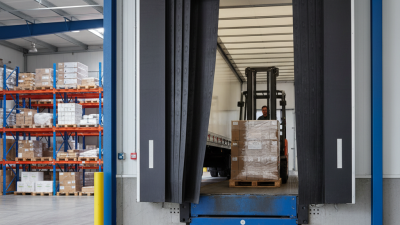
Choosing the right dock seals for your business is crucial. Dock seals create a barrier between your warehouse and the outside environment. They help in maintaining temperature and protecting goods during loading and unloading.
The right dock seals can reduce energy costs and enhance product safety. When selecting dock seals, consider factors such as the size and operating environment. The materials used in the construction of dock seals can affect durability and performance. For instance, high-quality seals withstand heavy use and harsh weather conditions.
Many businesses overlook the importance of proper installation. Incorrectly installed dock seals may lead to gaps, reducing efficiency. It is essential to assess your specific needs and consult with experts. They can provide valuable insight into the best options for your situation. Investing time in this decision can yield significant benefits for your operations over time.
Understanding Dock Seals: Types and Functions
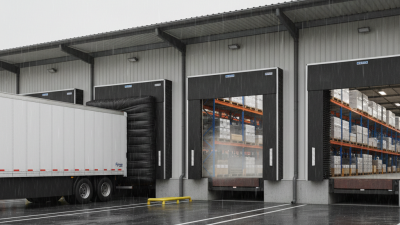
Dock seals are essential for efficient loading and unloading operations. They serve as barriers against weather, dust, and pests, ensuring that goods remain protected. Understanding the types of dock seals available can significantly impact operational efficiency. There are various types of dock seals, such as foam-filled, inflatable, and flexible models. Each has its specific function and application.
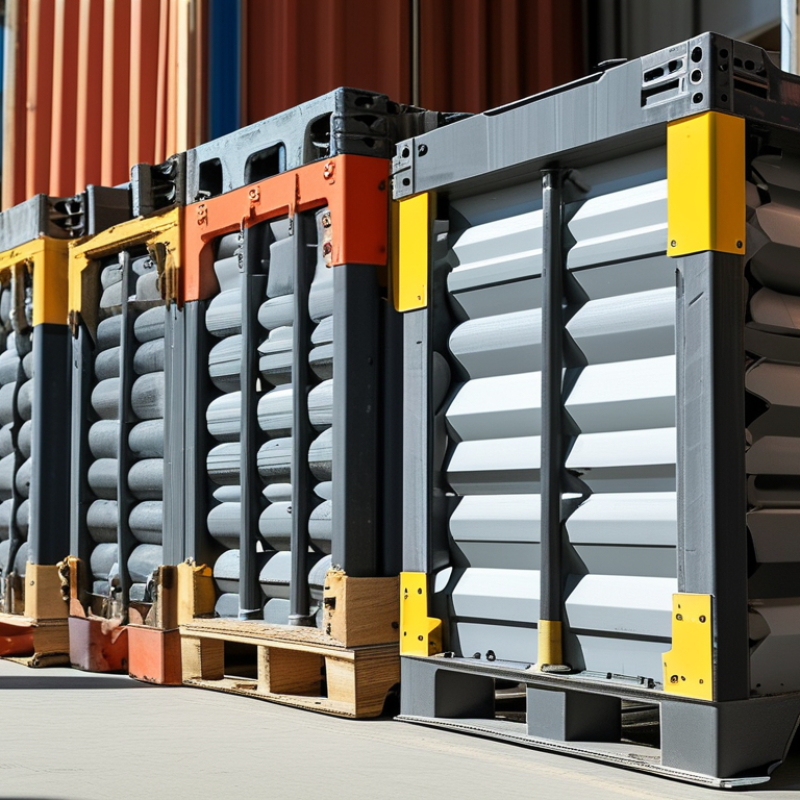
Foam-filled dock seals are widely preferred for their durability and effectiveness. According to a report from the Warehousing Equipment Manufacturers Association, nearly 75% of warehouses utilize foam dock seals. These seals provide a snug fit against truck trailers, reducing energy costs and minimizing air exchange. Inflatable seals, on the other hand, offer adaptability. They expand and contract, ensuring a tight seal even with varying trailer heights. This flexibility can lead to a reduction in product spoilage, enhancing overall productivity.
Despite their benefits, dock seals are not without challenges. Routine inspections are necessary to maintain their integrity. Failure to address wear and tear can lead to increased energy costs and potential product damage. Special attention must be paid to the choice of materials and installation techniques. Poor installation can defeat the purpose of a seal, leading to inefficiencies. Engaging with knowledgeable professionals can mitigate these risks, ensuring optimal performance and durability.
Assessing Your Business Needs for Dock Seals
When assessing your business needs for dock seals, consider several factors.
The type of goods you handle greatly influences seal selection.
Perishable items require precise temperature control.
Ensure your seals offer adequate insulation. Heavy machinery movement demands robust seals that can withstand wear and tear.
Evaluate the volume of goods passing through your docks.
High traffic areas benefit from durable and easily adjustable seals.
Think about the environment as well. If your operations involve exposure to harsh weather, investing in higher-quality seals is essential.
This not only protects your cargo but also enhances energy efficiency.
Reflect on the maintenance requirements of different seals.
Some might seem cost-effective initially but can lead to increased upkeep.
A seal that needs frequent repairs could disrupt workflow.
Understanding your specific needs can guide your decision-making process.
Consider engaging with industry experts if you remain uncertain, as their insights can provide valuable clarity.
Factors to Consider When Choosing Dock Seals
Choosing the right dock seals can significantly impact your logistics operations. Several factors need careful consideration. Begin with size. Seals should match the dimensions of your trucks and loading docks. If they’re too small, gaps may allow air and pests in. If they’re too large, they won’t provide adequate insulation or protection.
Another critical aspect is the material quality. Durable materials can withstand harsh weather conditions and frequent use. Think about the climate your business operates in. Locations with extreme temperatures require seals that can adapt and maintain energy efficiency. Don’t overlook installation ease. Complex systems can lead to delays and additional costs.
Lastly, consider maintenance needs. Some seals require regular inspections to ensure they function correctly. This is easy to forget but crucial. Neglecting maintenance can lead to larger issues down the line. Reflect on your company's specific needs before making a choice. Every operation is unique, and what works for one might not work for another.
Dock Seals Comparison Based on Key Features
Evaluating Materials and Durability of Dock Seals
When selecting dock seals, material and durability are critical factors. The right seal must withstand heavy usage and various environmental conditions. According to a recent industry report, 70% of dock-related accidents stem from improper sealing. This highlights the importance of choosing robust materials that provide lasting protection.
Many dock seals are made from vinyl, rubber, or foam. Each material has unique benefits and limitations. Vinyl is often more affordable but may wear down faster than rubber. In contrast, rubber offers better durability and resistance but comes at a higher cost. Analyzing the specific demands of your operation can guide your choice. If your dock experiences high traffic and diverse weather, investing in a durable rubber seal may prove beneficial.
Tips: Regularly inspect dock seals for wear and tear. Replace seals that show signs of damage. A proactive approach helps maintain safety and operational efficiency. Also, consider the local climate when selecting materials. High humidity environments may require more resilient options. The right seal can significantly reduce costs related to accidents and energy loss. Remember, investing upfront in durable materials pays off in the long run.
How to Choose the Best Dock Seals for Your Business Needs? - Evaluating Materials and Durability of Dock Seals
| Material Type |
Durability (Years) |
Temperature Resistance (°F) |
UV Resistance |
Waterproof Rating |
| Vinyl |
5-10 |
-20 to 120 |
Good |
High |
| Rubber |
8-12 |
-30 to 100 |
Excellent |
Very High |
| Polyester |
4-8 |
-10 to 110 |
Moderate |
High |
| Foam |
3-5 |
0 to 90 |
Low |
Moderate |
| Neoprene |
6-10 |
-20 to 100 |
Very Good |
High |
Maintenance Tips for Optimal Dock Seal Performance
Maintaining dock seals is crucial for optimal performance. Regular inspections help identify wear and tear. According to industry data, about 25% of dock-related accidents are linked to damaged seals. Scheduling semi-annual checks ensures that seals remain effective, preventing costly loading dock downtime.
Cleaning dock seals can enhance their durability. Use a mild soap solution and a soft brush when dirt accumulates. Studies show that clean seals last 15% longer than dirty ones. Additionally, avoid overloading dock areas. Excess weight can lead to seal deformation, reducing effectiveness by up to 30%.
Training staff to handle equipment correctly can significantly impact seal longevity. Improper usage is a common cause of seal damage. Reports indicate that training can reduce equipment-related issues by 40%. Maintaining a clean and organized loading area also plays a vital role in preserving dock seals. Encourage workers to keep movement areas clear to prevent unnecessary wear.