
7 Best Roll Up Gates for Global Buyers?
Choosing the right roll up gate is rarely a simple matter of price or appearance. Global buyers face different climates, building codes, security expectations, and maintenance conditions. A gate that performs smoothly in a dry warehouse may corrode quickly beside a coastal loading bay.
This guide reviews seven leading roll up gate options for commercial, industrial, and logistics applications. Each choice is considered through practical details, including opening size, cycle frequency, wind exposure, insulation, operating speed, safety controls, and spare-parts access. These factors matter when a gate serves a busy distribution center at 4 a.m. or protects a small retail storage room.
Commercial door specialist Mike Fischer summarizes the principle clearly: “The best gate is the one matched to the opening, traffic, environment, and service plan.” That advice deserves attention. A low purchase price can become expensive when technicians, springs, controllers, or replacement slats are difficult to obtain.
There is no universal winner. Not even close. Some models prioritize heavy-duty security. Others reduce heat loss or improve daily workflow. A few look impressive on paper but need stronger local support. That is where this comparison remains deliberately practical, and slightly imperfect: product rankings can change with shipping distance, installer skill, and regional requirements.
Before choosing, buyers should confirm load ratings, emergency release systems, guarding, installation limits, and authorized service coverage. Reliable performance begins before the gate arrives.
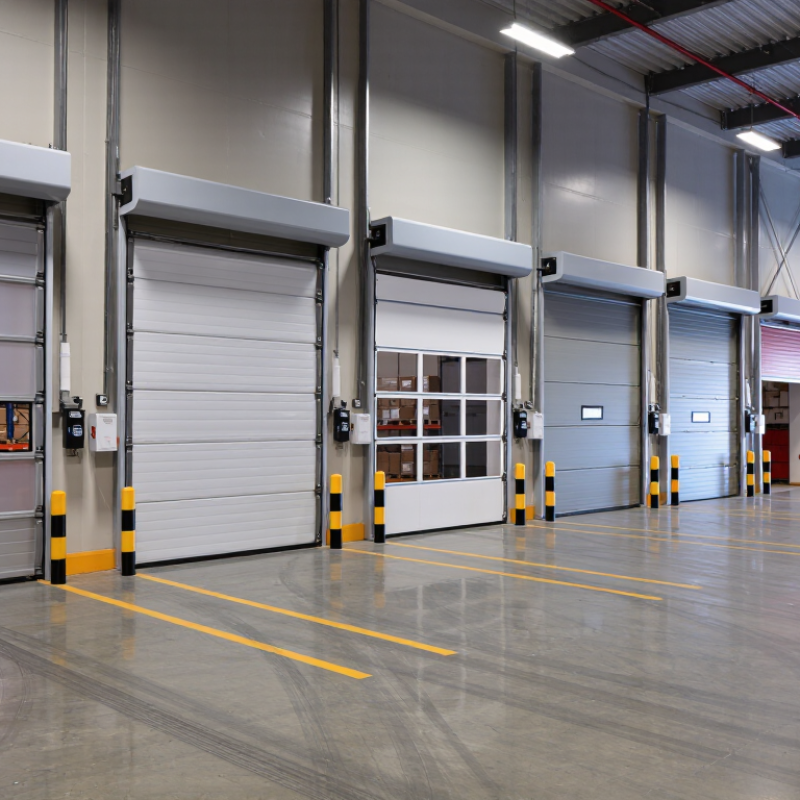
What Are Roll-Up Gates and How Do They Work?
7 Best Roll Up Gates for Global Buyers?
What Are Roll-Up Gates and How Do They Work?
Roll-up gates are flexible security barriers made from interlocking steel or aluminum slats. They rise vertically and coil around a barrel above the opening. Side guides keep the curtain aligned, while a motor, chain, or spring system controls movement. Many systems include photoelectric sensors, emergency stops, and manual overrides.
The design saves floor space. It also protects warehouses, loading bays, workshops, and retail entrances. Safety matters more than speed. During closing, sensors should detect people, vehicles, or loose materials. A damaged bottom rail can still create serious risks. Regular inspection remains necessary, even with automatic controls.
Energy performance deserves attention. The International Energy Agency’s 2024 Global Status Report states that buildings consume about 30% of global final energy. Insulated slats and tight side seals can reduce drafts at climate-controlled entrances. However, buyers should not assume every insulated gate delivers the same results. Ask for U-value data, wind-load ratings, cycle-life testing, and corrosion resistance. Voltage compatibility also matters across markets. The wrong motor can overheat or stop unexpectedly. Local installation standards must be checked before purchase, especially for emergency release and electrical protection.
| Roll-Up Gate Type | How It Works | Best For | Common Materials | Visibility & Ventilation | Typical Operating Method | Key Advantages | Important Buying Considerations |
|---|---|---|---|---|---|---|---|
| Solid Slatted Security Gate | Interlocking horizontal slats wrap around a barrel above the opening when the gate is raised. | Retail storefronts, warehouses, loading areas and parking entrances requiring strong closure. | Galvanized steel Aluminum | Low visibility and low airflow when closed; provides a solid visual barrier. | Manual chain hoist, push-up spring assist, tubular motor or industrial motor. | Good security, compact overhead storage and broad availability of spare components. | Confirm slat gauge, wind exposure, corrosion protection, emergency release and available headroom. |
| Perforated Slat Gate | Perforated or punched slats roll into a coil while maintaining a partially open surface pattern. | Shopping centers, commercial fronts and facilities needing security with product visibility. | Perforated steel Perforated aluminum | Moderate visibility and ventilation; the exact percentage depends on perforation size and spacing. | Motorized tubular drive or side-mounted industrial operator. | Balances security, airflow, daylight and visual merchandising better than a solid gate. | Check perforation geometry, resistance to forced entry, cleaning requirements and local wind-load calculations. |
| Rolling Grille Gate | Linked bars or a lattice curtain rolls onto an overhead barrel, leaving the opening visually open. | Indoor malls, storefronts, airports, transit facilities and parking structures. | Aluminum Steel Stainless steel | High visibility and high airflow when closed. | Manual push-up, chain hoist or motorized operator. | Lightweight appearance, strong ventilation and easy visibility of the secured area. | Evaluate bar spacing, bottom-bar design, noise level, anti-lift protection and compatibility with fire exits. |
| Insulated Rolling Gate | Insulated double-wall slats roll around a barrel and form a more thermally resistant barrier. | Cold stores, climate-controlled warehouses and buildings in hot or cold regions. | Foamed aluminum Insulated steel | Low visibility and limited airflow; thermal performance varies by slat, guides and perimeter seals. | Industrial motor, chain hoist or controlled automatic drive. | Improves temperature control, reduces drafts and can lower operational energy losses. | Request U-value or R-value data, air-leakage details, condensation control and service access requirements. |
| High-Speed Fabric Roll-Up Gate | A flexible curtain travels vertically through side guides and rolls onto a compact top-mounted drum at high speed. | Factories, logistics hubs, clean areas and high-frequency internal or external traffic. | PVC-coated fabric Polyester reinforcement Aluminum frame | Usually low visibility when closed; some versions include transparent viewing panels. | High-cycle electric motor with programmable controls and safety sensors. | Fast opening reduces traffic delays, dust movement and air exchange between work zones. | Verify opening speed, cycle rating, temperature range, wind resistance, fabric repair method and safety certification. |
| Fire-Rated Rolling Gate | A tested fire-resistant curtain closes automatically when connected to an approved fire detection or release system. | Fire compartments, industrial buildings, commercial kitchens and openings requiring code-based fire separation. | Fire-rated steel Mineral-core assembly | Usually solid and opaque, with limited ventilation when deployed. | Normally motorized or gravity-assisted, with supervised automatic release and manual reset provisions. | Helps limit the spread of fire and smoke when installed as part of a tested building system. | Do not rely on generic claims; verify the exact fire rating, test standard, listing, inspection rules and installation details required locally. |
| Corrosion-Resistant Coastal Gate | A rolling curtain and hardware are selected with protective finishes or corrosion-resistant metals for aggressive environments. | Coastal sites, ports, humid climates, food-processing areas and facilities exposed to salt or chemicals. | Stainless steel Marine-grade aluminum Hot-dip galvanized steel | Visibility depends on whether the curtain is solid, perforated or grille-based. | Manual or motorized operation; sealed controls may be required in wet areas. | Longer service life when the finish, fasteners, drainage and maintenance plan match the environment. | Specify coating system, stainless-steel grade, fastener material, salt-spray requirements, drainage and wash-down procedures. |
How roll-up gates work: A flexible curtain made from slats, grille links or fabric moves vertically along side guides and winds around an overhead barrel. The gate may be operated manually or by an electric motor. Final dimensions, wind resistance, cycle life, fire performance and safety features must be confirmed through project-specific engineering and applicable local standards.
Related Posts
-
Top 10 Benefits of Roll Up Doors for Your Business Needs?
-
2026 Top Overhead Coiling Door Suppliers Worldwide
-
Understanding the Benefits of Installing a Roll Up Gate for Your Business Security
-
What Is the Best Type of Rolling Garage Door?
-
10 Tips for Choosing a Rolling Garage Door
-

Top 10 Garage Door Fix Tips You Need to Know?