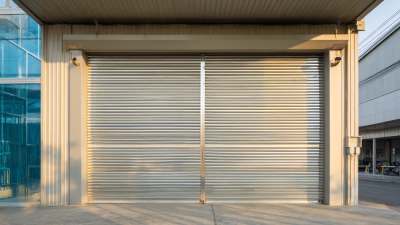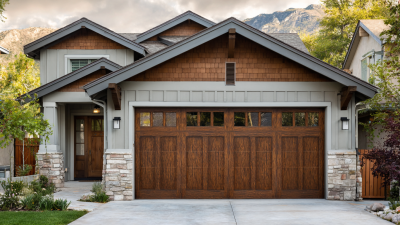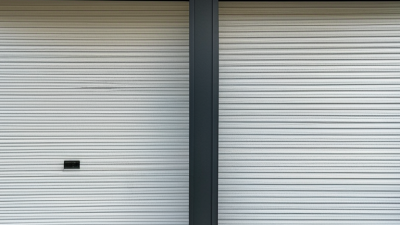
Choosing the best rolling garage door starts with the building, not the brochure.
A warehouse entrance faces different demands than a detached home. Wind exposure, opening width, ceiling height, security needs, insulation, and daily cycles all affect the right design. A compact aluminum curtain may suit a coastal workshop. A heavier steel rolling garage door may perform better at a busy loading area.
Industry data supports this practical approach. Grand View Research identifies replacement activity, construction growth, and demand for durable door systems as important market drivers. Freedonia’s Garage Doors industry analysis also connects purchasing decisions with remodeling, new construction, and performance expectations. These reports describe market direction, but they cannot choose a door for one specific building.
That matters.
Tom Wadsworth, a longtime technical authority associated with the Door and Access Systems Manufacturers Association, has said, “The garage door is the largest moving object in most homes.” His observation highlights a frequently missed issue: safety, balance, and professional installation matter as much as appearance.
The best rolling garage door should move smoothly, resist local weather, protect the opening, and remain serviceable after years of use. Look for tested components, clearly documented wind ratings, reliable safety controls, and trained installation support. Check the manufacturer’s cycle rating, insulation value, curtain material, and warranty terms.
The cheapest option may not be economical. Not always.
This guide compares rolling garage door types through real operating conditions, maintenance demands, security features, and long-term value. Some conclusions remain imperfect, because climate, building design, and usage patterns can change the answer. A careful site assessment should come before any final purchase.
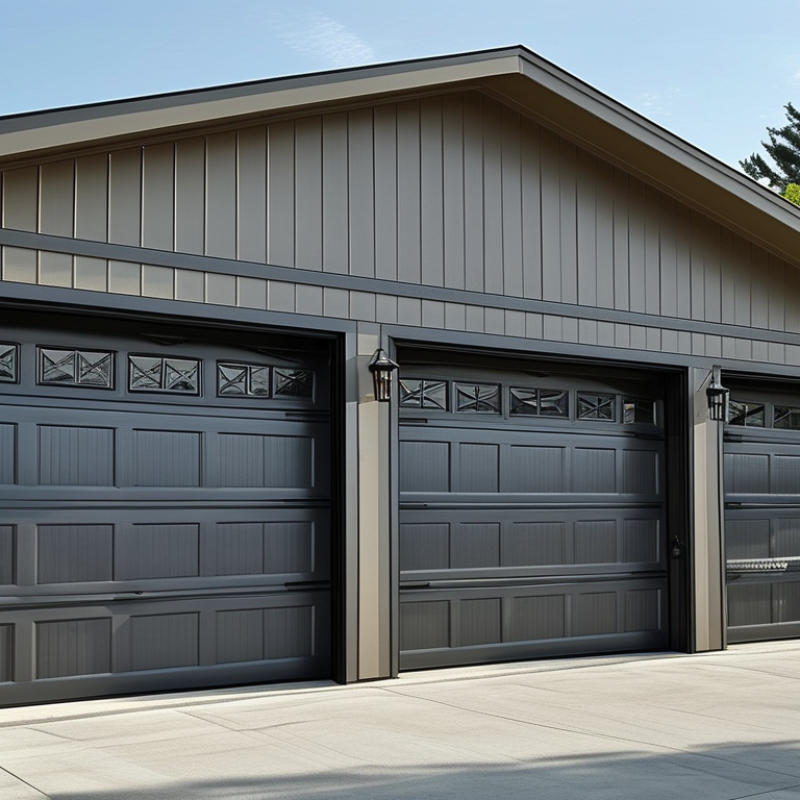
The best rolling garage door depends on exposure, traffic, security, and indoor temperature control. A basic single-slat steel door suits detached garages with modest daily use. Its compact coil and lower cost are practical, but uninsulated slats transmit heat and street noise. This is the common compromise.
An insulated rolling door uses foam-filled slats and perimeter seals. It fits garages beside living spaces, workshops, and storage rooms. The U.S. Department of Energy estimates that air leakage can account for 25–40% of a home’s heating and cooling energy use. A poorly sealed bottom edge can waste the value of thicker slats. Measure the opening, wall returns, headroom, and floor level before specifying it. Small gaps matter.
High-cycle doors use stronger guides, durable springs, and tested motors for frequent opening. Perforated or grille curtains improve visibility and airflow, but provide less weather protection. Fire-rated rolling doors are a separate category. Selection should follow the tested assembly and NFPA 80 requirements, not appearance. DASMA technical data sheets emphasize matching curtain design, guides, hardware, and operating method to the opening. The IEA’s Buildings 2023 analysis places buildings at about 30% of global final energy demand. Thermal performance matters. Still, I would not choose insulation from a brochure alone. Wind exposure, corrosion, cycle frequency, and maintenance access can overturn the initial choice. Test the door after installation. Record closing speed, seal contact, and emergency release operation.
Choosing the best rolling garage door depends on your building, climate, and daily use. Steel offers strong resistance against impacts and forced entry. Aluminum weighs less and resists rust in damp areas. However, thinner aluminum can dent more easily. I have seen doors fail because owners chose appearance over operating conditions. Measure twice.
Insulation affects comfort, energy use, and moisture control. Look for a published insulation rating, sealed edges, and foam-filled slats. A high rating helps, but gaps around the guides can reduce its value. In cold weather, poor sealing may create condensation near the bottom rail. In hot climates, reflective surfaces can reduce heat gain, though results vary with wall insulation. It depends.
Security requires more than a heavy curtain. Strong guides, protected fasteners, a reliable bottom bar, and controlled access all matter. Ask for tested wind-load and cycle ratings, not vague claims. Durability also depends on corrosion protection, spring quality, balanced installation, and routine cleaning. A thicker curtain is not automatically better. Salt, dust, and careless impacts shorten its life. Have a qualified installer check clearances and mounting strength before ordering. Keep the maintenance schedule realistic; complicated systems are often neglected.
Choosing the best rolling garage door starts with the garage environment, not the door’s appearance. In cold regions, an insulated steel curtain can reduce drafts and keep stored tools more stable. Look for tight side guides, a flexible bottom seal, and corrosion-resistant hardware. Coastal air changes the decision. Aluminum or treated components may resist salt better, although quality finishing still matters. In humid climates, drainage and ventilation deserve equal attention.
Space often decides the design. A rolling door stores above the opening and leaves the ceiling mostly clear. This suits garages with shelves, lighting, or a low-sloped roof. Measure the headroom, side clearance, and opening depth before ordering. A few centimeters can affect the tracks, motor, and maintenance access. Small detail. Big consequence.
Use also matters. A lightly used home garage may need quiet operation and dependable insulation. A busy workshop needs a stronger cycle rating, impact-resistant slats, and easy manual release. Security should include a robust locking system and protected controls, but convenience cannot be ignored during a power outage. Ask a qualified installer to check the wall structure and local requirements. I once assumed the thickest curtain was automatically best; it was not. Extra weight increased operating strain and reduced available clearance. The better choice balanced climate protection, space, daily use, and repair access.
Choosing the best rolling garage door depends on installation conditions, maintenance access, and lifetime operating costs. Insulated steel rolling doors usually suit attached garages, workshops, and heated storage areas. Their slats reduce heat transfer and limit drafts around the opening. The U.S. Energy Information Administration’s 2018 Commercial Buildings Energy Consumption Survey reports that space heating represents about 32% of commercial building energy use. A poorly sealed door can therefore increase operating costs during extreme weather. Insulation is not magic. Installation quality still matters.
Installation should include accurate guides, balanced springs, secure anchoring, and weather seals. A small alignment error may cause noisy travel, uneven wear, or repeated motor strain. Experienced installers should check the wall structure before selecting the door size. This step is often overlooked. NFPA 80 requires rolling fire doors to receive inspection and testing at least annually. Even non-fire-rated doors benefit from a similar schedule. DASMA technical guidance also emphasizes cleaning, lubrication, fastener checks, and proper adjustment. Maintenance costs remain modest when technicians catch worn rollers early. Delayed repairs are different. They can turn a simple part replacement into a full curtain or operator repair. A realistic budget should include annual servicing, electricity for repeated opening cycles, replacement seals, and eventual motor renewal. The lowest purchase price may not be the lowest long-term cost.
A practical choice begins with the building, not the door catalogue. Measure the opening width, headroom, side clearance, and available electrical supply. Then record daily cycles. A private garage may open four times daily, while a warehouse entrance may cycle hundreds of times. A light-duty curtain can fail quickly under commercial traffic. I have seen this mistake more than once.
Climate and energy use also matter. The U.S. Energy Information Administration’s 2018 Commercial Buildings Energy Consumption Survey found that heating and cooling used roughly 40% of commercial building energy. An insulated rolling door may reduce drafts between conditioned and unconditioned areas. It is less valuable in a naturally ventilated storage shed. Check the door’s tested U-value, air leakage, and wind-load rating. Marketing language is not enough.
Safety requires closer attention. NFPA 80 provides inspection and maintenance guidance for rolling fire doors, while DASMA technical documents address door construction, cycles, and wind performance. A fire-rated door is not automatically the right daily-use door. Ask who will inspect it, how often parts need replacement, and whether emergency release access is practical. Choose a grille for visibility and airflow, a solid curtain for security, or a high-cycle model for frequent movement. My own preference can change after measuring traffic; assumptions often look confident until the first month of operation.