10 Tips for Choosing a Rolling Garage Door
Choosing a rolling garage door is not simply a matter of color, price, or showroom appeal. The opening, building use, weather, security needs, and available headroom all matter. A door that works beautifully in a dry warehouse may perform poorly beside a coastal driveway. Small details become expensive later.
Tom Wadsworth, a respected garage-door educator, often reminds homeowners, “A garage door is the largest moving object in your home.” That warning deserves attention. This guide examines ten practical factors, including curtain material, insulation, wind resistance, cycle rating, motor compatibility, safety features, maintenance access, and installation quality. Measure the opening twice. Check the side clearances. Ask whether the supplier can provide tested performance data, not vague promises. Look for clear warranty terms and qualified installation support.
Real conditions can expose weak decisions. Dust may collect inside the guides. Rainwater may reach the bottom seal. A busy workshop may cycle the door dozens of times daily. Noise may matter more than expected. Security may depend on the lock design, not the panel thickness alone. Even experienced buyers can overlook drainage or future repairs. That is the uncomfortable part.
There is no perfect rolling garage door for every property. The best choice balances protection, convenience, serviceability, and budget. These ten tips are designed to make that decision more practical, measurable, and less dependent on attractive marketing.
Assess Your Garage Needs and Door Opening
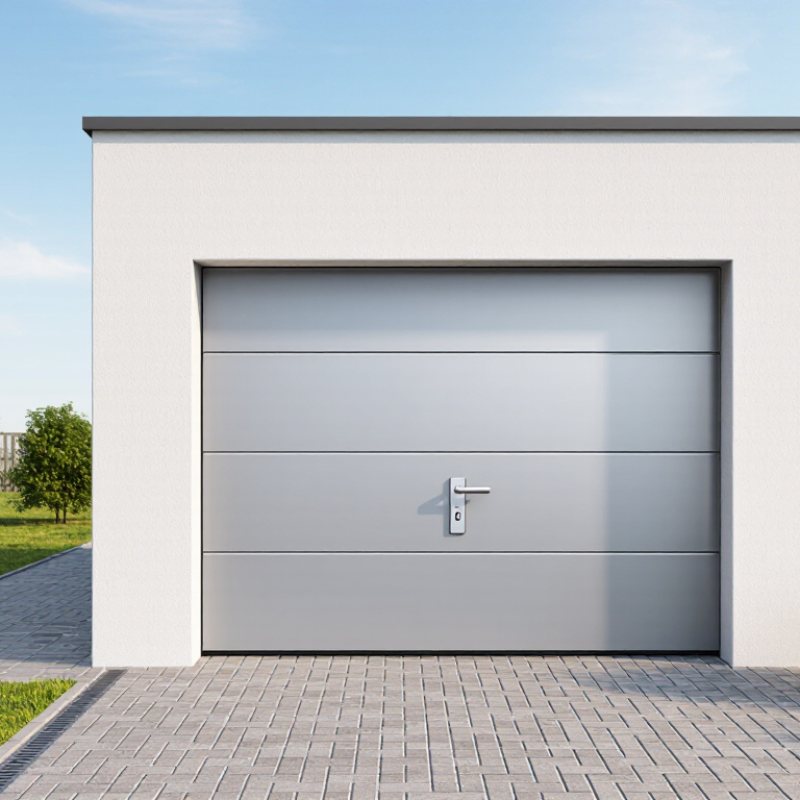
Before choosing a rolling garage door, assess how your garage is used each day. Measure the opening’s width and height at several points, because older walls may not be perfectly square. Record the lintel height, side room, and ceiling clearance. These spaces determine whether the curtain, guides, and housing can fit safely. A small mistake matters. I once measured only the centre of an opening and missed a six-millimetre difference near one side. That error affected the guide alignment and required another visit. Check the floor too. An uneven threshold can leave gaps beneath the closed door, allowing rain, dust, and cold air inside.
Consider your vehicles, storage habits, and local weather. A tall vehicle or roof rack needs extra clearance before installation. If bicycles, shelves, or tools sit beside the opening, side guides may reduce usable space. Coastal or damp locations need materials and finishes suited to moisture exposure. Ask a qualified installer to inspect the wall structure, fixing points, and electrical route before ordering. Their field experience can reveal problems that a tape measure cannot. The opening is not just a rectangle. It connects with drainage, lighting, ventilation, and movement around the garage. Think carefully. My own preference is to leave a little service space, although this can reduce storage room. An accurate site survey remains more reliable than assumptions made from photographs.
Compare Rolling Door Materials, Designs, and Insulation
Choosing a rolling garage door starts with the opening, not the catalog. In practice, measure width, height, headroom, side room, and floor level. Galvanized steel suits busy garages because it resists dents and provides solid security. Aluminum weighs less and handles moisture well, but it can bend more easily. Wood-look finishes add warmth, yet they may need closer inspection and regular care. Do not judge material by appearance alone. Check panel thickness, coating quality, hardware, and installer test records.
Curtain design affects privacy, airflow, noise, and weather resistance. A solid curtain blocks more light and wind. Perforated slats improve ventilation, but they admit more dust. For narrow garages, a compact roll may preserve ceiling storage. Wider openings require suitable wind-load ratings and reinforced side guides. A door that rattles during storms is not a minor design issue. Measure operation noise too. Foam-filled steel panels can reduce heat transfer and street noise. Look for a tested R-value, not vague energy-saving claims. Bottom and side seals matter because small gaps can defeat good insulation.
In practice, compare physical samples before ordering. A cutaway sample reveals the core, outer skin, and seal quality. Ask who services motors, springs, and safety sensors after installation. Request written load limits, maintenance intervals, and warranty terms. I would not automatically choose the highest R-value. It may increase weight, cost, and motor wear. That judgment can be wrong in a lightly used, detached garage. Recheck your priorities: security, moisture control, noise, or temperature stability. A qualified local installer should verify applicable building and electrical requirements.
Evaluate Security Features, Operation, and Safety Standards
Tip 1
Inspect security before admiring the finish.
A strong rolling garage door should resist forced lifting, conceal vulnerable gaps, and include a dependable locking system. Check the curtain, guide rails, bottom bar, and mounting points. Ask for documented wind and impact ratings where local conditions require them. A heavy door is not automatically secure.
Tip 2
Test everyday operation in person.
The motor should start smoothly, stop accurately, and avoid sudden movement. Listen for grinding, hesitation, or uneven travel. Useful controls may include wall switches, remote access, and manual release. Battery backup can help during outages, but it still needs regular testing. I would not trust a feature that nobody demonstrates clearly.
Tip 3
Treat safety standards as essential, not decorative paperwork.
Look for safety edges, photo sensors, automatic reverse functions, and guarded moving parts. These features should be installed, adjusted, and tested by a qualified professional. Confirm that the door meets applicable local building, electrical, and fire requirements. Keep written maintenance records, including sensor tests and spring inspections.
Small details matter.
A sensor blocked by dust may fail when needed. A door can pass an initial inspection yet become unsafe after months of neglect. Ask who will service it and how often. Review the installation instructions yourself, even if a contractor handles the work. That extra check may expose a weak assumption before it becomes an expensive problem.
Check Installation Requirements, Space, and Professional Support
10 Tips for Choosing a Rolling Garage Door
Check Installation Requirements, Space, and Professional Support
Before comparing door styles, inspect the opening carefully. Measure width, height, side room, and headroom at several points. Floors and walls are rarely perfectly level. Record pipes, lights, storage racks, and nearby vehicles. These details can change the installation method.
Check whether the door needs electrical power, weather sealing, drainage space, or local approval. Ask about wind exposure and insulation needs, especially for an attached garage. A compact roller may save ceiling space, but its housing still needs clearance above the opening. Do not guess. Small errors can cause rubbing, noise, or poor sealing. Test the fit.
Professional support matters when the opening is uneven or access is difficult. Choose an installer who can explain measurements, safety controls, maintenance, and removal of the old door. Request a written quotation with labor, hardware, electrical work, and possible structural adjustments listed separately. Verify training, insurance, and recent customer references. An experienced installer should complete a site inspection before ordering materials.
Ask how emergency release systems work during a power failure. Confirm who handles repairs and how quickly support is available. I would also watch the installation closely, without interrupting the technician. Clear explanations build trust. Still, my first measurement was not perfect, and I underestimated the side clearance. Leave clearance. That small lesson makes professional checking worthwhile.
10 Tips for Choosing a Rolling Garage Door
Check installation requirements, available space, door size, safety features, weather protection, and professional support before making a decision.
Planning reference: Common residential garage opening widths are shown in feet. Measure the finished opening, side room, headroom, and backroom carefully because rolling-door hardware requirements vary by door design and installation method. Confirm the final dimensions with the product instructions, local building requirements, and a qualified installer.
- Measure the opening width and height accurately.
- Check headroom, side room, and backroom clearances.
- Confirm whether the door is suitable for interior or exterior installation.
- Review wind-load and local code requirements.
- Choose corrosion-resistant materials for damp or coastal environments.
- Check insulation and weather-sealing performance.
- Verify manual and motorized operating options.
- Make sure safety and entrapment-protection features are included.
- Confirm electrical, structural, and mounting requirements.
- Use professional installation support when site conditions are complex.