The global demand for industrial access systems is becoming more measurable, yet supplier comparisons remain surprisingly uneven. Grand View Research’s Industrial Doors Market analysis highlights expanding demand from warehouses, manufacturing plants, logistics hubs, and commercial facilities. MarketsandMarkets also links industrial door growth with automation, energy efficiency, and faster material handling. These trends place the overhead coiling door at a practical crossroads. It must protect openings, support daily traffic, and reduce operational delays.
This 2026 guide examines leading overhead coiling door suppliers worldwide through a buyer-focused lens. Product range matters, but it is only one part of the evaluation. A reliable supplier should demonstrate tested curtain materials, suitable wind-load performance, safe operating controls, and clear maintenance procedures. Fire-rated applications require additional attention. Buyers should verify certifications, testing scope, installation conditions, and local compliance instead of trusting broad marketing claims.
The data is not perfectly aligned. Reports often group rolling, sectional, and industrial doors differently. That limitation can distort direct market comparisons. Still, supplier experience becomes visible in practical details: smooth cycles at a busy dock, reinforced guides at a coastal facility, and accessible replacement parts after years of use. Fortune Business Insights and other industrial access market studies support the wider growth narrative, but product selection remains site-specific. A large supplier is not automatically the best fit. A smaller regional partner may respond faster and understand local building conditions better. This review considers manufacturing capability, engineering support, customization, safety documentation, service coverage, and customer evidence. No ranking is flawless. Real performance begins where the brochure ends.
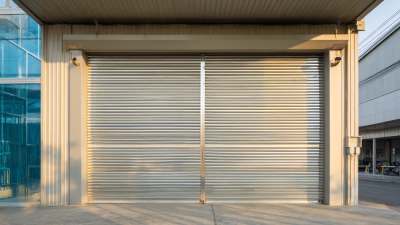
Overhead coiling doors are vertically operated closures that roll around a barrel above the opening. Their curtain usually consists of interlocking steel, aluminum, or insulated slats. Side guides control movement, while a motor, gearbox, or chain system supports operation. Unlike sectional doors, the curtain does not travel along horizontal ceiling tracks. The boundary is practical, not perfect.
Their scope includes industrial, commercial, warehouse, parking, service, and institutional openings. Typical specifications cover clear width, opening height, cycle frequency, wind resistance, insulation, fire performance, and emergency release.
A 2024 MarketsandMarkets report forecasts approximately 5.7% annual growth for the industrial doors market through 2028. However, that category includes several door types, not only overhead coiling models. This distinction matters when comparing supplier claims.
Operational experience shows that traffic patterns often determine the correct design. A warehouse door opening 80 times daily needs different components than a low-use service entrance. Dust, forklifts, temperature changes, and uneven floors also affect reliability.
The 2024 Grand View Research analysis identifies automation and energy efficiency as major commercial door demand drivers. Yet, a faster motor alone does not guarantee lower operating costs. Maintenance access, sensor placement, curtain alignment, and tested safety systems deserve equal attention. Some specifications remain difficult to compare because testing methods vary across regions.
2026 Top Overhead Coiling Door Suppliers Worldwide
In 2026, selecting an overhead coiling door supplier requires more than comparing catalog prices. The strongest evaluation starts with operating conditions: opening size, wind exposure, cycle frequency, humidity, and available headroom. These details affect curtain thickness, guide design, motor capacity, and control requirements. A supplier with field experience should provide load calculations, product drawings, and installation tolerances. Ask for documented test results and comparable project references. Real evidence matters.
Material quality deserves close inspection. Galvanized steel may suit demanding industrial areas, while aluminum can reduce weight in commercial openings. Insulation performance, sealing quality, corrosion resistance, and emergency release options should be compared together. Suppliers should explain testing methods, service intervals, and expected component life. Clear technical data is more useful than broad claims. Small omissions can become costly.
Global reliability also depends on communication and support. Review production capacity, quality-control records, delivery planning, spare-part availability, and local service coverage. Check whether the warranty defines response times, exclusions, and maintenance responsibilities. Suppliers familiar with regional safety standards can reduce approval delays and installation risks. Still, no comparison is perfect. Published performance may not reflect dusty sites, uneven floors, or unusually frequent use. A careful buyer should request a site-specific recommendation and challenge assumptions before signing.
In 2026, leading overhead coiling door suppliers compete through dependable engineering, responsive service, and documented performance. Experienced suppliers understand that every opening has different demands. A warehouse may need high cycle operation, while a retail entrance may prioritize quiet movement and appearance. Strong suppliers provide load calculations, opening measurements, material details, and installation guidance before production begins.
Details matter.
Reliable suppliers also explain testing procedures clearly. Buyers should review wind resistance, fire performance, insulation values, safety edges, emergency release systems, and maintenance intervals. Compliance documentation should match the destination market and the project’s actual specifications.
Factory quality checks are useful, but field records reveal more. Ask for installation photographs, service logs, replacement-part policies, and realistic delivery schedules.
Clear answers build trust.
Global suppliers often support projects through trained local technicians and structured after-sales communication. This reduces delays when a curtain needs adjustment or a control component requires inspection. However, no supplier is perfect. Some catalogs look impressive but provide limited technical evidence. That gap matters.
A careful buyer should compare test reports, warranty conditions, response times, and total ownership costs rather than choosing only by price. Even experienced teams can overlook drainage, clearance, or frequent cleaning needs. A practical site review can prevent those mistakes before the door reaches the building.
In 2026, overhead coiling door suppliers will be judged less by catalogs than by compliance evidence. NFPA 80 requires listed assemblies, documented installation, and periodic inspection for fire doors. UL 325 addresses entrapment protection for automated operators. In Europe, EN 13241 covers product performance, while EN 12453 addresses safe use. Requirements vary by application. A warehouse loading bay needs different controls than a pedestrian opening.
Material choice follows exposure, cycle demand, and fire strategy. Galvanized steel offers practical impact resistance and predictable maintenance. Aluminum reduces weight and corrosion risk, but it may dent sooner. Stainless steel suits washdown areas, although its price can distort lifecycle comparisons. Field experience shows that a door’s weakest point is often the guide, curtain, or control interface—not the slats. Wind-load calculations should use project-specific opening dimensions, local design speed, and building pressure data. Guessing is expensive.
Safety devices need testing, not just installation. Photoelectric sensors, sensing edges, emergency release systems, and warning labels should be checked during commissioning. The WHO and ILO estimated 2.93 million work-related deaths globally in 2019, reported in 2023. This figure is not door-specific, but it reinforces disciplined risk control. OSHA recorded 5,283 fatal workplace injuries in the United States in 2023. Numbers can feel distant. A closing curtain is not. Some specifications still treat maintenance as optional. That assumption deserves review. Suppliers should provide test records, replacement guidance, training, and clear operating limits.
| Market or Region | Common Door Applications | Typical Materials and Finishes | Relevant Standards and Regulations | Core Safety Requirements | Performance Factors to Compare | Supplier Qualification Evidence |
|---|---|---|---|---|---|---|
| North America | Warehouses, retail storefronts, loading bays, parking facilities, industrial openings, and self-storage units. | Galvanized steel curtains; stainless steel for corrosive environments; aluminum for lighter commercial applications; insulated slats where thermal performance is required. | UL 325 for door and gate operators; ANSI/DASMA 102 for garage door operator safety and performance; NFPA 80 for fire door and opening-protective requirements where applicable. | Photoelectric protection or monitored sensing edges; emergency manual operation; operator entrapment protection; properly guarded moving parts; counterbalance and curtain retention provisions. | Wind-load design, operating cycle rating, opening size, thermal insulation, corrosion resistance, noise level, and availability of replacement components. | Listing or certification for the complete assembly where required; engineering calculations; installation instructions; maintenance schedule; documented field testing. |
| European Union and EEA | Industrial buildings, logistics centers, commercial premises, retail units, underground parking, and internal separation openings. | Pre-galvanized or powder-coated steel; stainless steel in hygiene or corrosive areas; aluminum for low-weight doors; insulated double-skin profiles for energy control. | EN 13241 for industrial, commercial, garage doors and gates; EN 12453 for safety in use of power-operated doors; EN 12604 for mechanical aspects; EN 12635 for installation, use, and maintenance. | Anti-crush and anti-shear protection; safety edges; photocells where required by the risk assessment; controlled closing force; emergency release; safe access for inspection and servicing. | Wind resistance, air permeability, water tightness, thermal transmittance, acoustic performance, cycle durability, and conformity documentation. | Declaration of Performance where applicable; CE marking under the relevant legal framework; test reports; risk assessment; technical file and maintenance documentation. |
| United Kingdom | Commercial storefronts, industrial units, warehouses, transport facilities, retail parks, and fire-compartment openings. | Galvanized or coated steel; stainless steel for food, marine, or chemical environments; aluminum for lightweight non-fire applications; insulated steel for temperature-controlled spaces. | UK-adopted versions of EN 13241, EN 12453, EN 12604, and EN 12635; BS 9999 and related fire-safety guidance may affect building applications; BS EN 16034 applies to certain fire-resisting and smoke-control doorsets. | Protection against crushing, shearing, drawing-in, and impact; safe manual override; controlled closing; documented inspection and maintenance; suitable fire-door release and closing arrangements when specified. | Fire and smoke performance, wind resistance, security level, duty cycle, thermal performance, access-control compatibility, and service support. | UKCA or CE conformity as legally applicable; third-party test evidence; installation and commissioning records; competent-person service procedures. |
| Australia and New Zealand | Industrial sheds, commercial garages, loading docks, retail premises, service stations, and residential or mixed-use garages. | Zinc-coated steel; powder-coated aluminum; stainless steel in coastal or corrosive areas; insulated panels for improved temperature control. | AS/NZS 4505 for garage doors and rolling doors within its scope; electrical equipment and operator installations must also comply with applicable local electrical and building requirements. | Door travel limits; entrapment protection; manual release; obstruction detection; secure mounting; protection from uncontrolled descent; clearly defined inspection and maintenance procedures. | Wind region and design pressure, corrosion category, operating frequency, thermal performance, opening dimensions, and local service availability. | Evidence of compliance with the specified AS/NZS requirements; engineering calculations for wind loads; electrical compliance documentation; commissioning checklist. |
| East Asia | High-density commercial buildings, logistics hubs, factories, shopping centers, parking structures, and clean or controlled environments. | Galvanized steel and stainless steel are common; aluminum is used where reduced mass is important; vision panels may use impact-resistant transparent materials. | National building, electrical, fire, and machinery-safety regulations apply by jurisdiction; ISO 9001 is commonly used as a quality-management reference but is not a product safety certification. | Interlocked access control; emergency stop functions; presence detection; anti-fall or anti-drop protection; guarded shafts and drive systems; documented commissioning tests. | High-cycle durability, compact headroom, cleanability, corrosion resistance, automation integration, energy efficiency, and response time for local service. | Factory inspection records; material certificates; electrical test reports; risk assessment; product drawings; spare-parts and service plan. |
| Middle East and Africa | Retail developments, airports, warehouses, industrial facilities, parking structures, hospitality projects, and infrastructure buildings. | Galvanized or stainless steel for dust and corrosion exposure; high-durability coatings; insulated profiles for air-conditioned spaces; aluminum where weight reduction is beneficial. | Local civil-defense, fire, electrical, and building regulations; NFPA or EN-based specifications are frequently referenced depending on the project authority and contract requirements. | Fire-rated assembly approval where required; emergency operation during power loss; protection against uncontrolled closing; weather sealing; corrosion-resistant hardware; safe access for maintenance. | Solar exposure, sand and dust resistance, temperature range, wind pressure, corrosion category, fire rating, duty cycle, and remote-site service capability. | Authority approval; fire-test documentation; environmental suitability statement; method statement; spare-parts inventory; local installation and maintenance capability. |
| Latin America | Distribution centers, manufacturing plants, retail stores, commercial garages, agricultural facilities, and public infrastructure. | Painted or galvanized steel; stainless steel in humid or corrosive locations; aluminum for lighter doors; insulated construction for cold-storage or climate-controlled areas. | Applicable national building and electrical codes; project specifications may reference UL, NFPA, EN, ISO, or other internationally recognized standards when local requirements do not provide detailed provisions. | Entrapment protection; emergency manual operation; secure anchorage; bottom-bar protection; safe control-panel access; routine inspection of springs, guides, brakes, and fasteners. | Local wind conditions, corrosion resistance, cycle rating, security requirements, operating speed, insulation, and availability of technical support. | Product test reports; engineering drawings; installation training; local code review; warranty terms; preventive-maintenance and emergency-service coverage. |
| Fire-Rated Applications Worldwide | Fire compartments, kitchens, plant rooms, parking areas, industrial risk zones, and openings requiring fire or smoke separation. | Tested steel curtain or insulated steel assembly; fire-rated guides, bottom bars, fusible links, release devices, and approved hardware selected as a complete system. | NFPA 80 and applicable UL listings in North America; EN 16034 with EN 13241 where applicable in Europe; local fire authority requirements always govern the project. | Automatic closing on alarm or thermal release; reliable fail-safe release; controlled descent; obstruction protection where permitted by the listing; routine drop testing and inspection. | Fire-resistance period, smoke-control classification, opening dimensions, release method, closing speed, reset procedure, and compatibility with the building fire-alarm system. | Certification for the exact door configuration; approved installation details; fire-test report; authority acceptance; inspection and drop-test records. |
| Food, Pharmaceutical, and Clean Areas | Food processing, pharmaceutical production, cold rooms, laboratories, hospitals, and hygienic manufacturing zones. | Stainless steel or hygienically coated steel; smooth, cleanable surfaces; corrosion-resistant guides and fasteners; insulated construction for temperature-controlled rooms. | Applicable hygiene, food-contact, cleanroom, electrical, and building regulations; EN or local machinery-safety requirements apply to powered operation. | Smooth surfaces without contamination traps; protected controls; safe cleaning access; emergency release; controlled closing; documented sanitation and maintenance procedures. | Washdown resistance, corrosion resistance, temperature range, air leakage, cleanability, operating frequency, and compatibility with sanitation chemicals. | Material certificates; coating and chemical-resistance data; hygienic design drawings; cleaning instructions; validation or qualification records where required. |
| Supplier Selection Benchmark | Suitable for comparing manufacturers, fabricators, integrators, and installation contractors without relying on brand ranking. | Confirm grade, thickness, coating system, insulation core, hardware material, glazing or vision-panel specification, and compatibility with the exposure environment. | Require the exact standards named in the project specification rather than accepting general claims such as “compliant” or “tested.” | Verify the complete safety package: sensing devices, emergency release, anti-drop measures, control logic, guarding, warning labels, and maintenance intervals. | Compare total lifecycle cost, not only purchase price: installation, energy use, spare parts, service response, cycle life, downtime, and replacement planning. | Request test certificates, drawings, calculations, quality records, references for similar applications, warranty terms, commissioning forms, and documented after-sales support. |

Selecting a suitable worldwide overhead coiling door supplier requires more than comparing price lists. Start with the door’s actual environment. Measure opening width, ceiling clearance, wind exposure, operating frequency, and temperature range. A supplier should request these details before recommending a model. That is a useful sign.
Review engineering documents carefully. Look for load ratings, curtain materials, motor specifications, safety controls, and maintenance intervals. Ask whether testing follows recognized international standards. Confirm that certificates match the exact product, not a similar series. Small differences matter. An experienced supplier can explain them without hiding behind technical language.
Reliability also depends on support after delivery. Check production capacity, spare-part availability, installation guidance, and response times across time zones. Request references from facilities with similar traffic and climate conditions. Inspect sample drawings, packaging methods, and inspection records when possible. A video call cannot replace every factory visit. That limitation deserves honesty.
Compare the total ownership cost, including shipping, customs handling, installation, servicing, and expected downtime. The lowest quotation may become expensive after one damaged control unit. Still, premium pricing does not guarantee better performance. I would keep a written comparison and challenge every unclear assumption. Suppliers should welcome practical questions, provide traceable answers, and admit where their experience is limited. That builds trust before the first door is shipped.