What Is an Overhead Coiling Door?
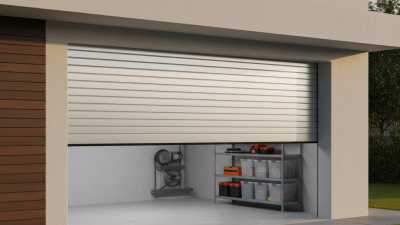
An overhead coiling door is a vertical door system that rolls into a compact coil above the opening. It is commonly used in warehouses, loading areas, workshops, retail spaces, and industrial buildings. Unlike a traditional sectional door, it does not swing outward or move along ceiling tracks. This design preserves valuable wall and ceiling space.
When the door opens, its curtain travels upward and wraps around a barrel. The curtain may contain steel slats, aluminum sections, or insulated materials. Each choice affects strength, insulation, noise, appearance, and maintenance needs. A busy loading bay may require a heavier curtain and faster operating cycle. A small service room may need a simpler, lighter model.
A reliable explanation must include more than the basic definition. Door size, wind exposure, opening frequency, impact risks, and available headroom all influence the correct specification. Professional installers usually inspect the opening, mounting surface, guides, and electrical supply before recommending equipment. They also check safety edges, photoelectric sensors, emergency release systems, and control placement.
The details matter.
It is easy to call every rolling door an overhead coiling door. That description can be too broad. Some doors prioritize security, while others focus on speed, temperature control, or fire separation. Performance also depends on installation quality and regular inspection. Even a strong door can become noisy, misaligned, or unsafe when neglected. A useful guide should explain these differences clearly, while admitting that one design cannot suit every building or operating condition.
Definition and Core Function of an Overhead Coiling Door
What Is an Overhead Coiling Door?
Definition and Core Function of an Overhead Coiling Door
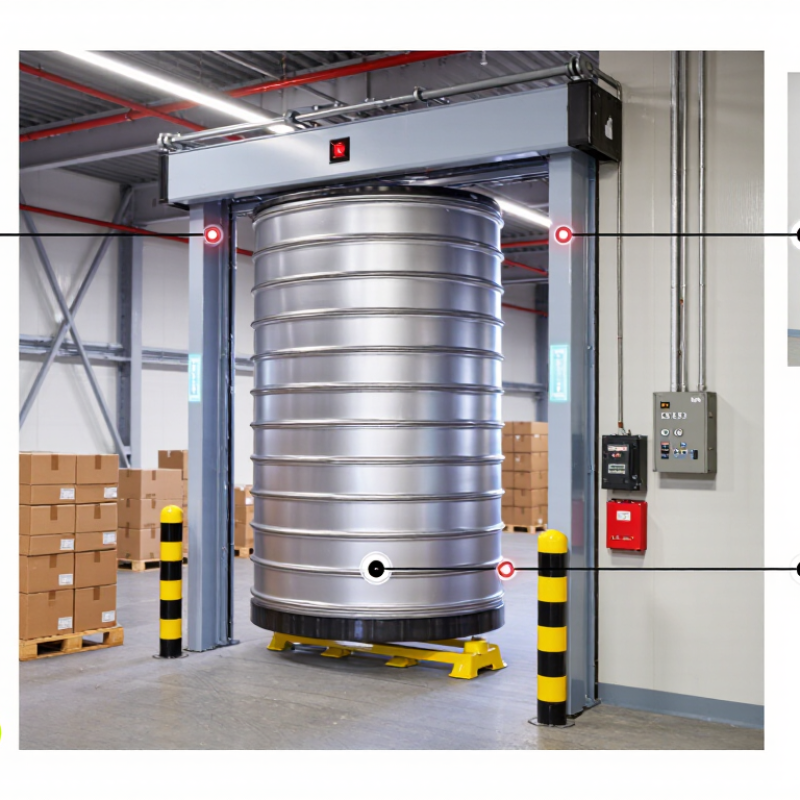
An overhead coiling door is a vertical closure that rolls into a compact coil above an opening. It uses interlocking slats, guides, a barrel, and an operating system. Unlike a swinging door, it needs little space in front of the doorway. Its core function is simple: control access while separating indoor areas from weather, noise, dust, or temperature changes.
When activated, the curtain travels upward along side guides and winds around the barrel. This movement keeps busy floors clearer for forklifts, vehicles, and workers. In warehouses, loading bays, and service rooms, that clearance can improve traffic flow. It saves floor space.
Field inspections often reveal that performance depends on installation details. The guides must remain aligned, while the curtain should move without scraping or sudden resistance. Operators should watch for damaged slats, unusual vibration, loose fasteners, and uneven closing. These signs may indicate wear, poor alignment, or incorrect adjustment.
A qualified installer should verify the opening dimensions, structural support, control method, and required safety devices. Maintenance records also help confirm reliable servicing over time. Still, a neat installation does not guarantee perfect operation. Dust, impact, and repeated cycling can change performance. A door that closes slowly may seem harmless, but it can affect security and workflow. Regular inspection creates useful evidence before a small defect becomes an expensive interruption.
Main Components and How the Door Operates
An overhead coiling door is built around a curtain of interlocking slats that travels vertically and wraps around a barrel above the opening. Its main parts include the curtain, barrel, end plates, guides, bottom bar, hood, and operating system. DASMA’s technical guidance for rolling steel doors describes these components as a coordinated assembly; the guides keep the curtain aligned while the barrel supports its coiled weight. Small details matter. A bent guide can make the curtain scrape or bind.
When opened, a motor or hand chain turns the barrel, winding the curtain upward. When closed, gravity helps lower it, while the guides control its path. The bottom bar spreads contact across the floor and may carry a safety edge. Powered operators use limits to stop travel at set positions; UL 325 addresses safety requirements for door operators and entrapment protection. Operators should check fasteners, guides, and movement regularly, following the manufacturer’s service instructions. A door that jerks, rattles, or sits unevenly needs attention, not repeated cycling. Cycle frequency varies by site, so a single generic service interval can be misleading.
What Is an Overhead Coiling Door? — Main Components and How the Door Operates
| Component or Stage |
What It Is |
Function in Door Operation |
Practical Detail |
| Door curtain |
A flexible curtain made from connected horizontal slats, commonly formed from steel or aluminum. |
Closes the opening and rolls into a coil above it when the door is raised. |
Slat profile, material, and curtain design vary with the opening and the door’s intended use. |
| Barrel and shaft |
A horizontal assembly mounted above the doorway around which the curtain winds. |
Supports the coiled curtain as it travels up and down. |
The assembly is sized for the door’s weight and dimensions. |
| Guides |
Vertical tracks or channels installed on each side of the opening. |
Keep the curtain aligned and guide its edges during movement. |
Guides need to be securely mounted and clear of obstructions for smooth travel. |
| Bottom bar |
A reinforced rail attached along the curtain’s lower edge. |
Adds rigidity to the bottom of the curtain and provides a surface that meets the floor or threshold. |
Some designs include a sealing strip or a safety edge, depending on the application. |
| Counterbalance system |
A spring or other balancing mechanism associated with the barrel assembly. |
Helps balance the curtain’s weight so the door can be raised and lowered with controlled effort. |
Spring adjustment and repair can be hazardous and should be handled by trained personnel. |
| Operator or manual control |
A motorized operator or a manual method such as a hand chain, crank, or direct lift. |
Provides the force used to move the door. Motorized systems may use wall controls or other approved controls. |
Not every coiling door is powered; control options depend on the door and installation. |
| Hood or enclosure |
A cover fitted over the barrel and coiled curtain when included in the design. |
Encloses the coil and helps protect it from dust or accidental contact. |
A hood is not present on every installation. |
| Opening the door |
The operator or user moves the door upward. |
The curtain rises in the guides and winds around the barrel above the opening. |
The guides keep the curtain aligned as the coil grows. |
| Closing the door |
The operator or user moves the door downward. |
The curtain unwinds from the barrel and travels through the guides until the bottom bar reaches the floor or threshold. |
Keep the opening clear while the door is moving; use any installed safety devices as instructed. |
Common Types of Overhead Coiling Doors
Overhead coiling doors use a curtain of connected slats that winds around a barrel above the opening. Their compact design leaves ceiling space relatively clear, which can help in garages, loading bays, and workshops. The right type depends on what the opening needs to do each day.
Standard service doors are common in warehouses and utility areas. Their metal slats provide a durable barrier against weather and everyday contact. Insulated coiling doors add a thermal layer between the slats, helping reduce heat transfer and outside noise. They can be useful where staff work near the doorway or temperature changes matter. The improvement is real, but it will not fix poor wall insulation.
Fire-rated coiling doors are designed to close an opening when triggered by an approved fire-protection system. They require suitable installation, inspection, and maintenance. A specialist should confirm that the door matches the building’s fire-safety design. Counter shutters are smaller versions often fitted over serving windows or reception openings. Security grilles offer visibility and airflow while creating a physical barrier, making them a practical choice for indoor storefronts. Not every site needs the fastest or heaviest door. I’ve seen selection discussions focus on opening speed, while daily cleaning and access needs get less attention. Those details matter.
Benefits, Limitations, and Maintenance Requirements
What Is an Overhead Coiling Door?
An overhead coiling door uses interlocking slats that roll above an opening. It saves valuable wall and ceiling space. This design suits warehouses, garages, retail units, and service corridors. Steel or aluminum curtains can resist impact, weather, and frequent operation. DOE’s 2018 Commercial Buildings Energy Consumption Survey counted about 6.2 million commercial buildings in the United States. Many depend on reliable openings, yet door performance varies sharply with usage and installation quality.
The main benefit is compact operation. A coiling door needs less swing clearance than a sectional door. It can also improve security and reduce drafts when the curtain, guides, and bottom seal fit correctly. However, it is not automatically energy efficient. Damaged slats, loose guides, and poor seals can increase air leakage. Heavy curtains may also move slowly without suitable motors. My practical concern is simple: buyers often focus on the opening price, not the service conditions.
Maintenance should include visual checks, lubrication where permitted, fastener inspection, and operational testing. Remove dirt from guides before it becomes a grinding noise. For fire-rated assemblies, NFPA 80 requires documented inspection and testing at least annually. The schedule should be stricter in dusty, wet, or high-cycle locations. DOE data shows the scale of commercial facilities, but it does not promise equal savings from every door. That limitation deserves attention. A qualified technician should verify balance, safety devices, curtain travel, and emergency operation. Small defects become expensive when ignored.
What Is an Overhead Coiling Door? — Benefits, Limitations, and Maintenance Requirements
An overhead coiling door opens vertically by rolling its curtain around a barrel, making it useful where wall and ceiling space must be conserved. The chart shows a practical planning cadence commonly used for routine care: daily visual checks, monthly cleaning and lubrication, quarterly testing of safety features, and an annual professional inspection. Actual intervals should be adjusted according to usage, operating conditions, door design, and applicable safety requirements.
- Benefits: compact operation, quick access, improved security, and suitability for high-traffic openings.
- Limitations: moving components can wear, impact damage may affect the curtain or guides, and poor alignment can increase operating resistance.
- Maintenance priority: inspect frequently, keep guides and moving parts clean, test safety devices, and arrange qualified servicing at least annually.