How to Choose the Best Shop Roll Up Doors for Your Needs?
Choosing the right shop roll up doors can be daunting. With numerous options available, how do you ensure you make the right choice? Industry expert Jack Thompson, known for his extensive work with commercial doors, once stated, "The right door can change how your shop operates." This highlights the significance of selecting appropriate doors for functionality and security.
When assessing shop roll up doors, consider factors like material and insulation. Quality doors not only enhance operations but also contribute to energy efficiency. For instance, insulated options can save on heating costs during colder months. However, not every shop needs the same type; customization is often required. Reflecting on these details can lead to better decision-making.
It's important to recognize that not all suppliers are created equal. Some may offer lower prices, but the quality can suffer. Research is essential to find reliable manufacturers who prioritize durability. The journey to finding the best shop roll up doors can be complex, but understanding your unique needs will guide your process.
Understanding the Different Types of Roll Up Doors Available
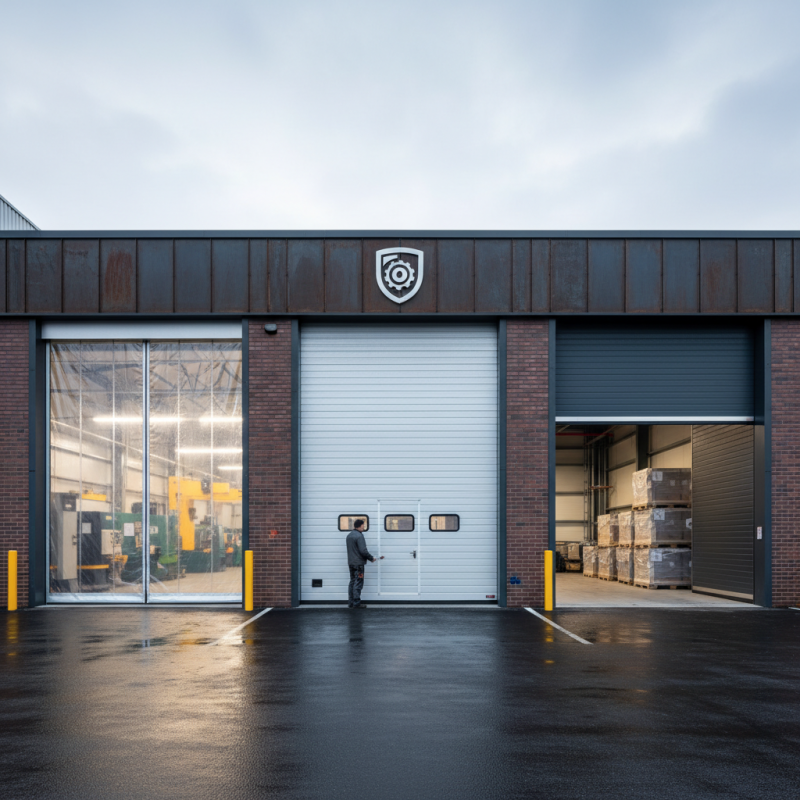
When selecting the right shop roll up doors, it's crucial to understand the different types available. Roll up doors can vary significantly in materials, durability, and insulation. Common options include steel, aluminum, and fiberglass. Each type offers unique advantages. For instance, steel doors provide robust security. However, they may rust if not properly maintained. On the other hand, aluminum doors are lightweight and resistant to corrosion but may not provide the same level of insulation as steel.
Consider the intended use of the door. A high-traffic area may benefit from a heavy-duty design. These doors can withstand frequent openings and closings without damage. Insulated roll up doors are a smart choice if temperature control is essential. They help maintain a stable environment inside the shop. Think about the door’s installation. Complexity can vary, and sometimes, professional help is necessary. Assessing your space’s dimensions is also vital. An ill-fitted door can lead to energy loss or operational issues.
Many people overlook maintenance requirements when choosing a door. Some materials require regular upkeep to preserve functionality. Understanding these factors can help inform your decision. Reflect on what you truly need from a roll up door. Balancing cost, durability, and functionality can lead to better long-term satisfaction.
How to Choose the Best Shop Roll Up Doors for Your Needs? - Understanding the Different Types of Roll Up Doors Available
| Type of Roll Up Door |
Material |
Insulation |
Security Features |
Typical Applications |
| Steel Roll Up Door |
Galvanized Steel |
Low |
High Security Locks |
Warehouses, Factories |
| Aluminum Roll Up Door |
Aluminum Alloy |
Medium |
Reinforced Frame |
Commercial Buildings, Shops |
| Fabric Roll Up Door |
Heavy-Duty Fabric |
High |
Automatic Locking Mechanism |
Food Facilities, Pharmaceutical Plants |
| Fire Rated Roll Up Door |
Steel |
Low |
Fire-Safe Mechanisms |
High-Risk Areas, Factories |
| Insulated Roll Up Door |
Steel or Aluminum |
High |
Heavy-Duty Locks |
Cold Storage, Freezers |
Assessing the Material Options for Durability and Security
When selecting shop roll up doors, the material choice is critical for durability and security. Different materials offer various benefits. Steel is robust and resistant to impact. Aluminum is lightweight yet durable, ideal for frequent use. PVC is often chosen for its resistance to rust and corrosion, making it suitable for humid environments.
Tip: Consider your specific environment before making a choice. Steel can rust in coastal areas. Aluminum may dent but won’t corrode. PVC could fade under prolonged sun exposure.
Security is also a huge factor. Some doors come with additional locking mechanisms or are made from higher gauge materials. These features can deter potential break-ins. Examine your business's security needs. You may need more than just a basic door.
Tip: Consult with professionals to understand the best options for your shop. Sometimes, investing more in security pays off in the long run. Each material has trade-offs. Balance cost and benefits carefully to ensure you make an informed decision.
Evaluating Size and Installation Considerations for Your Space
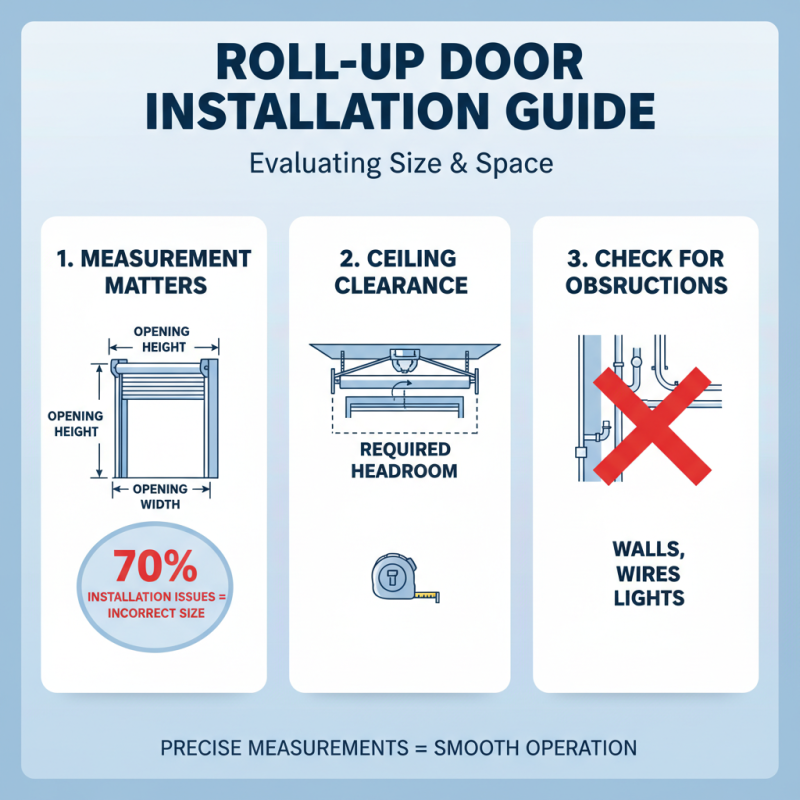
When evaluating the size and installation considerations for roll-up doors, it’s crucial to take precise measurements of the available space. Industry studies suggest that nearly 70% of installation issues stem from incorrect size specifications. Measure both the opening height and width, and also factor in the ceiling clearance needed for the door to operate smoothly. Consider any obstructions, as they can impact the installation process.
Installation considerations also dictate the type of roll-up door needed for your space. A report by the American Association of Manufacturing highlights that proper installation techniques can enhance the door's performance by up to 50%. An experienced installer will evaluate structural integrity. They assess whether additional reinforcements are required to accommodate the door's weight. Moreover, they consider insulation if you're in a climate with extreme temperatures.
While roll-up doors provide practicality, selecting the right size and installation method is vital. Many users overlook the door's material, which affects durability and maintenance. Inadequate attention to these details can lead to costly repairs later on. Reflecting on past installations can help inform better choices for future projects.
Identifying Key Features and Customization Options for Functionality
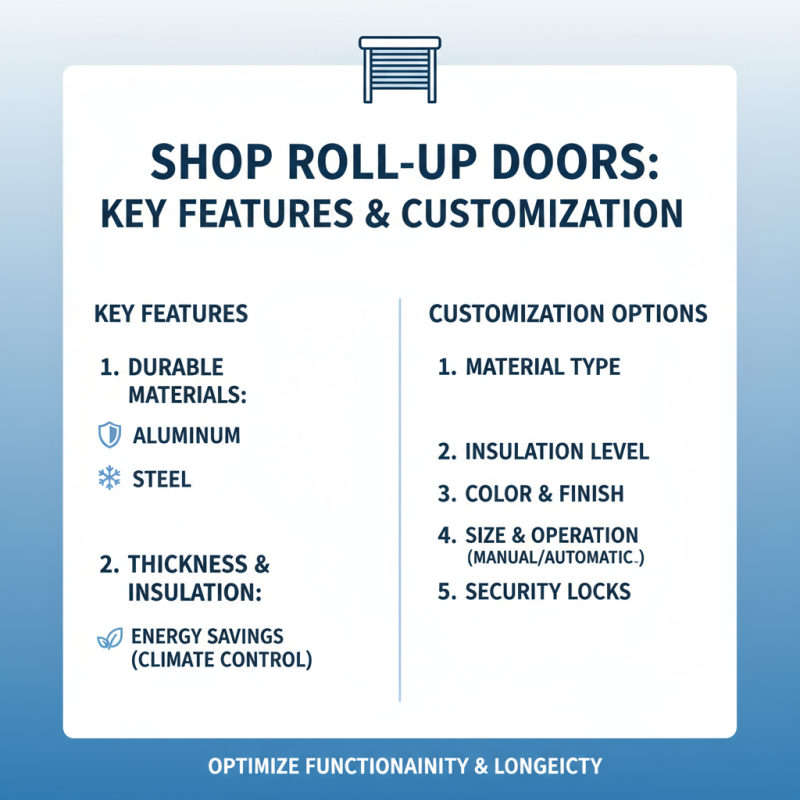
When selecting shop roll-up doors, understanding key features and customization options is essential. Look for durable materials that ensure longevity. Common choices include aluminum and steel. These materials provide security and weather resistance. Consider the thickness and insulation values too. Proper insulation can save energy, especially in extreme climates.
Customization is crucial for functionality. Measure your specific opening sizes accurately. Different installation types, like interior or exterior, may affect your choice. Think about added features such as windows or airflow grilles. These enhance visibility and ventilation. Remember, extra features can increase costs, so weigh their importance carefully.
Tips to consider: Ensure the door mechanism is easy to operate. Look for automatic options for convenience. Always check warranty details, as reputable manufacturers offer better protection. Take time to evaluate your needs. A hasty decision can lead to inefficiencies.
Comparing Costs and Lifespan of Various Roll Up Door Models
When exploring roll-up doors, understanding costs and lifespan is critical.
The initial cost can vary widely based on materials, size, and brand.
Steel and aluminum doors typically offer durability but can come with higher price tags.
A low-end door might cost significantly less, but it may not withstand heavy usage. Investing in quality often pays off in the long run.
Lifespan is another key factor. On average, commercial roll-up doors can last anywhere from 10 to 20 years.
However, factors like usage frequency and exposure to weather conditions play a significant role.
For instance, doors in harsh environments may need replacement sooner.
It’s essential to weigh upfront costs against potential long-term expenses.
Sometimes, purchasing a cheaper model can lead to unexpected repairs or replacements, which adds to overall costs.
Also, think about maintenance. Some models require regular upkeep, which can influence costs over time.
An unreliable door may lead to operational delays, affecting productivity. Evaluating these aspects ensures you choose a door that not only fits your budget but also meets your operational needs efficiently.
Make informed decisions by assessing both immediate and future impacts.