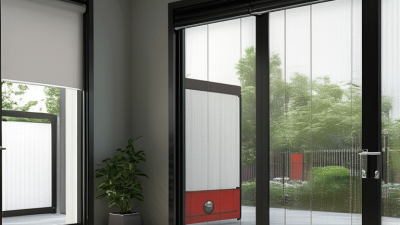
Top Tips for Choosing the Best Shop Roll Up Doors?
Choosing the right shop roll up doors can significantly impact your business operations and security. According to industry reports, these doors improve energy efficiency by up to 25% when installed properly. This efficiency is crucial for businesses looking to reduce operational costs. They come in various materials and designs, which can meet different requirements. Each option presents unique benefits and challenges.
The market for shop roll up doors is projected to grow steadily, driven by increased demand in commercial spaces. A well-chosen door can enhance accessibility while ensuring safety. However, some businesses overlook factors like durability and ease of use. Prioritizing these elements can lead to better long-term investments.
Understanding your specific needs is key. Analyze the space, climate, and traffic patterns before making a decision. Expert recommendations suggest considering not just the price, but the overall value and longevity of the doors. As you navigate options, reflect on the balance between practicality and aesthetic appeal. Striving for this balance can lead to improved customer satisfaction and operational efficiency.
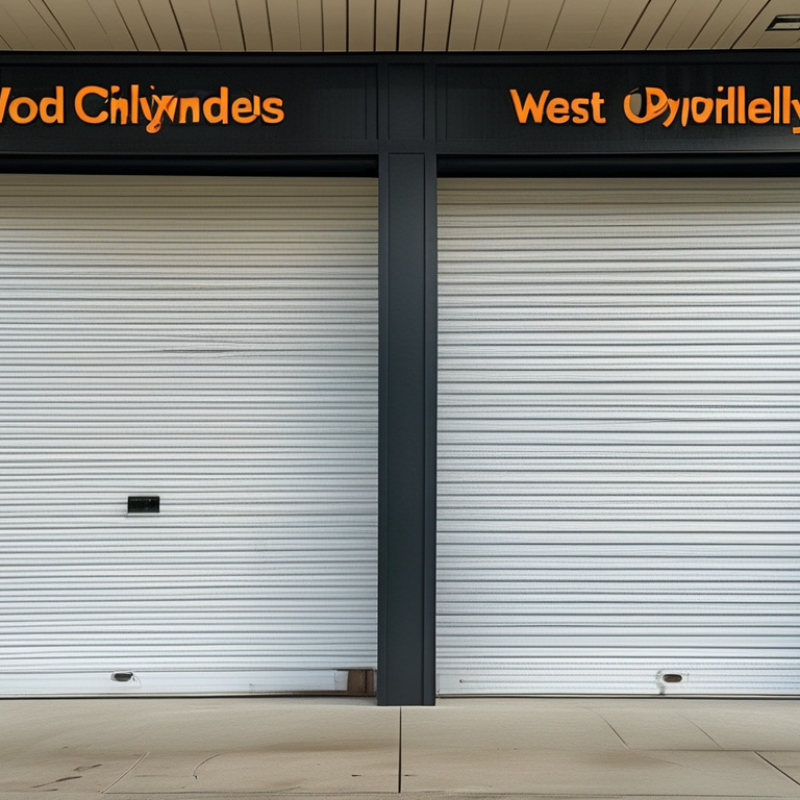
Understanding the Different Types of Roll Up Doors Available
When choosing roll up doors, understanding the types available is crucial. The most common types include steel, aluminum, and fiberglass. Each material has unique features that make it suitable for different purposes. Steel doors are durable and secure, making them ideal for industrial settings. Aluminum options are lightweight and corrosion-resistant, perfect for commercial use. Fiberglass doors offer insulation while maintaining a clean appearance.
It's important to consider functionality alongside material. Some doors are manual, while others are motorized. Motorized doors provide convenience and efficiency, especially in high-traffic areas. Manual doors may suit businesses with lower volume needs. The door's design also plays a role in overall performance. Insulated doors provide energy savings, while transparent options enhance visibility.
Reflecting on your needs is vital. Space limitations can affect the choice of door type. It's essential to weigh the pros and cons of each option. While a steel door offers security, it might lack aesthetic appeal for a storefront. Engaging with experts or reading reviews can provide insights into the best fit for your situation. Balancing practicality and style will lead to a more satisfying choice.
Key Factors to Consider When Choosing Shop Roll Up Doors
When choosing shop roll-up doors, several key factors come into play. First, consider the material. Steel doors offer durability and strength. However, aluminum is lighter and can resist rust. Each material has its advantages and drawbacks, depending on the specific needs of your shop.
Next, think about insulation. Insulated doors keep your shop temperature stable. This is crucial for operations that rely on sensitive equipment or materials. Energy efficiency can significantly impact long-term costs, making insulation an important point of reflection.
Finally, check the door's opening mechanism. Manual doors are straightforward but require physical effort. Automatic options enhance convenience but may need more maintenance. Consider your shop’s layout and workflow to determine the best fit. Balancing functionality and cost can lead to imperfect choices, prompting a need for future adjustments.
Evaluating Durability and Material Quality for Roll Up Doors
When evaluating roll up doors, durability and material quality are crucial factors.
According to a report by the Door and Access Systems Manufacturers Association (DASMA),
high-quality materials can extend the lifespan of roll up doors significantly.
Steel doors, for instance, are often recognized for their strength and durability.
They can withstand harsh weather conditions, making them a favorable choice for commercial settings.
However, not all steel is created equal. Galvanized steel is often recommended for its
corrosion resistance. This can be vital in areas prone to moisture.
Additionally, the thickness of the steel plays a role; thicker material generally offers better protection.
A report by the International Door Association (IDA) indicates that doors
with a gauge of 24 are often optimal for heavy use.
Besides steel, consider aluminum options. They are lighter but still provide substantial durability.
While they may be less resistant than steel, they are great for specific applications.
Keep in mind that the finish on these materials can affect longevity.
UV coatings help in resisting fading and wear over time.
Balancing between weight, resistance, and cost is essential when selecting the right door.
Reflecting on these details can lead to better decisions when investing in roll up doors.
Assessing Security Features in Roll Up Doors
When choosing roll up doors, security features are crucial. These doors should offer robust materials like steel or aluminum. A sturdy frame enhances durability. Look for doors with impact resistance to prevent break-ins. Also, ensure the door has reinforced locks. This adds an extra layer of protection.
Another important aspect is the locking mechanism. Simple locks may not deter determined intruders. Consider options with heavy-duty deadbolts or electronic controls. Whether you opt for manual or automatic systems, prioritize ease of use alongside security. Choose a door that allows for quick access while maintaining protection.
Don’t overlook the installation process. Professional installation can significantly enhance security features. Poor installation can create vulnerabilities. Test the door’s operation regularly. Even the best doors can fail if not maintained properly. Security is not just about the door; it’s a comprehensive system that requires constant attention.
Assessing Security Features in Roll Up Doors
Installation and Maintenance Tips for Roll Up Doors
When installing roll-up doors, proper maintenance is crucial. Routine checks can extend their lifespan significantly. According to industry reports, regular maintenance can prolong door functionality by up to 30%. Inspect for any signs of wear, such as frayed cables or misaligned tracks. Implement this habit at least once every six months.
Cleaning is equally important. Dust and debris can lead to malfunction. Use mild soap and water to wipe down the surfaces. This simple task can prevent buildup that compromises the door's integrity. In addition, lubricate moving parts regularly. Quality lubricants can reduce friction and prevent future issues.
Be cautious of how you use the doors. Improper handling can cause damage. Train employees on best practices for operating roll-up doors. Awareness can lead to a safer work environment and minimize repair costs. Remember, investing time in these details can have a significant impact on overall door performance.