7 Garage Door Track Tips for Buyers
A garage door may look simple from the driveway, but its tracks guide hundreds of pounds of moving hardware. For buyers, a closer look can reveal wear, poor alignment, or costly repair needs before signing. “A track should guide the door smoothly, not force it into place,” says garage-door specialist Jordan Lee. Check the quote and expert attribution with your source before publication.
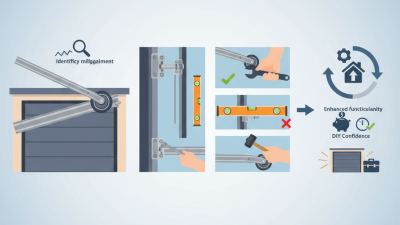
Start with the visible details. Look for bent sections, rust near the floor, loose brackets, and uneven gaps beside the rollers. Notice the sound, too. Scraping or repeated rattling deserves a closer inspection, though noise alone cannot confirm the cause. Never loosen track hardware or attempt adjustments without qualified guidance; a garage door can be dangerously heavy.
The seven tips in this guide help buyers assess condition, ask focused questions, and understand when an inspection is warranted. They cover track alignment, material, roller fit, fasteners, clearance, warning signs, and professional review. A flashlight can help expose grime or hairline damage along a vertical track. Small clues matter.
Still, a quick viewing has limits. Fresh paint can hide old wear, and a door that moves once may not operate reliably every day. Ask for maintenance records and a qualified inspection when anything feels uncertain. That may seem cautious. It is. A careful garage door track review cannot guarantee trouble-free ownership, but it can help buyers make a better-informed decision.
How Garage Door Tracks Guide and Support Door Movement
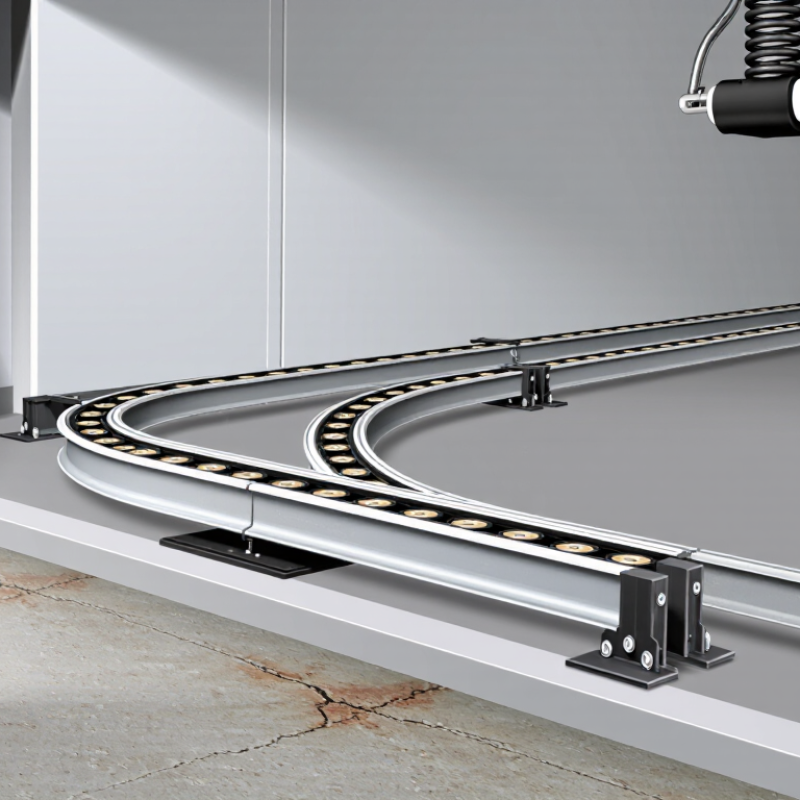
Garage door tracks guide the rollers along a controlled path, helping the door move from vertical to horizontal without wandering. The springs counterbalance most of the door’s weight; the tracks guide its route. That distinction matters when comparing systems. A track that looks sturdy cannot compensate for damaged springs or poor installation.
When viewing a home or choosing a replacement door, look for straight tracks, firm brackets, and rollers that sit inside the channels. Check for dents, rust, loose fasteners, or shiny rub marks that may indicate repeated contact. Listen during operation, too. Scraping or uneven movement deserves attention. Small gaps matter. A clean-looking track is reassuring, but it does not prove the system is correctly aligned.
Track dimensions and layout must match the door’s size, lift style, and available ceiling space. A low ceiling, for example, may require a different track arrangement than a standard garage. Avoid forcing a door that binds; stop using it and ask a qualified technician to inspect the system. Tracks are easy to overlook when shopping, and I would not judge them by appearance alone. Compatibility and smooth movement tell a more useful story.
Which Track Types and Materials Buyers Should Compare
Garage door tracks are not interchangeable rails; their shape must match the door’s movement and the space above it. Standard-lift tracks curve from vertical to horizontal, while high-lift layouts raise the door higher before it turns. Low-headroom hardware can help when ceiling clearance is tight, but it changes the arrangement of the door’s components. Measure the opening, ceiling, and obstructions. Small gaps matter.
Compare track material and construction, not just appearance. Galvanized steel is common and resists rust better than untreated steel, but coating quality and damaged edges still matter. Heavier-gauge steel may feel more rigid, though the correct gauge depends on the door’s weight and hardware specifications. Aluminum is lighter, but can be less rigid in some applications. Stainless steel may suit damp or coastal settings, though it can cost more. The awkward part: “stronger” does not automatically mean “right.”
Look for straight channels, clean bends, secure mounting points, and a finish without flaking or deep scratches. A mismatched track can cause noisy travel or uneven movement. I would not choose a setup by headroom alone; door height, lift type, and spring arrangement also affect compatibility. Ask the installer to confirm the track configuration against the door’s specifications. That detail is easy to overlook.
How to Match Track Dimensions to a Garage Door System
A garage door track is not a universal fit. Match its profile, gauge, curve radius, and length to the door’s weight, height, and roller design. Measure the existing track’s inside width and note the distance between the vertical rails. Check the curve where the door turns overhead, plus available headroom and side room. Small differences matter. A track that looks close may still bind rollers or pull the door out of alignment. DASMA’s technical guidance and ANSI/DASMA 102 treat sectional doors as systems, so verify track details against the door’s installation specifications—not appearance alone.
Record the roller stem diameter, track mounting points, and horizontal-track angle before buying. Photograph the brackets and the transition curve; these details are easy to overlook. Measure twice. If the track is bent, do not assume a replacement with the same length will fit. Have a qualified installer check the door balance and hardware, especially where cables or springs are involved. The 2024 Cost vs. Value Report lists garage-door replacement at a 194.0% average cost recouped nationally; that figure is not a promise, and it does not measure track-fit outcomes. Still, it underlines why careful matching matters before purchase. Verify measurements against the system’s technical sheet, since regional installations and older door setups can vary.
7 Garage Door Track Tips for Buyers — How to Match Track Dimensions to a Garage Door System
Common residential track-radius options, shown in inches. The correct radius depends on the door system and available headroom.
Buyer tip: Measure the existing track radius and check the door’s track profile, roller stem, and required headroom before buying. A 12-inch or 15-inch radius is common in residential systems, but these options are not interchangeable in every installation. Confirm dimensions with the door manufacturer or a qualified installer.
How to Choose Tracks for Safety, Durability, and Maintenance
Choose tracks that match the door’s weight, roller size, lift type, and available headroom. Measure the existing setup carefully; even a small mismatch can make rollers bind or leave the door uneven. That matters. Ask for the track material and thickness, but do not assume heavier steel is automatically safer. Correct sizing, secure brackets, and proper installation matter just as much.
Look for smooth, straight track sections with clean joints and a corrosion-resistant finish suited to your garage’s dampness. Check that mounting brackets feel solid and sit flush against the framing. A slightly imperfect rule of thumb: compare the new track with the old one, but verify measurements rather than copying a worn or altered setup. Tracks guide the rollers; springs balance the door’s weight. They are not interchangeable jobs, and spring adjustments are best left to a trained technician.
For maintenance, inspect the tracks every few months for loose fasteners, dents, rust, and grit. Wipe debris away with a dry cloth. Avoid coating the track channel with grease, which can collect dust and slow the rollers. Follow the door maker’s care instructions for lubricating rollers or hinges. If a track is bent or the door slips, stop operating it and arrange a professional inspection. A noisy door is not always a track problem, which is easy to overlook.