How to Fix Your Garage Door Easily and Affordably?
Are you struggling with a faulty garage door? Many homeowners face this issue. A malfunctioning garage door can be frustrating and inconvenient. However, there's good news: a garage door fix can often be simple and cost-effective.
Understanding the components of your garage door is crucial. It consists of springs, cables, tracks, and openers. Familiarizing yourself with these elements can help you diagnose common problems. Sometimes, issues arise from minor misalignments or wear and tear.
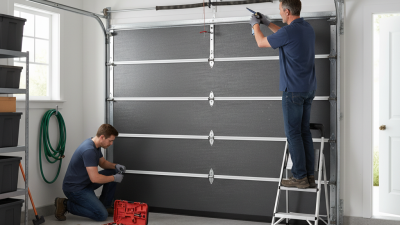
Do-it-yourself repairs can save you money. Yet, not every issue is suitable for a fix-at-home approach. If you’re unsure, seek professional help. Balancing affordability and quality is essential. A reliable garage door fix enhances your home’s security and functionality.
Identify Common Garage Door Problems and Their Symptoms
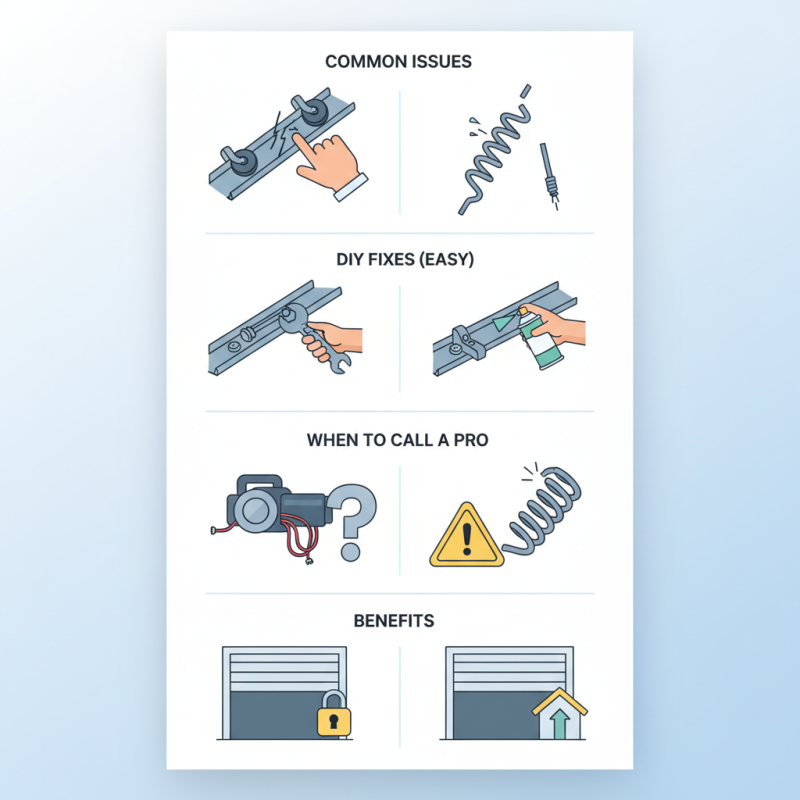
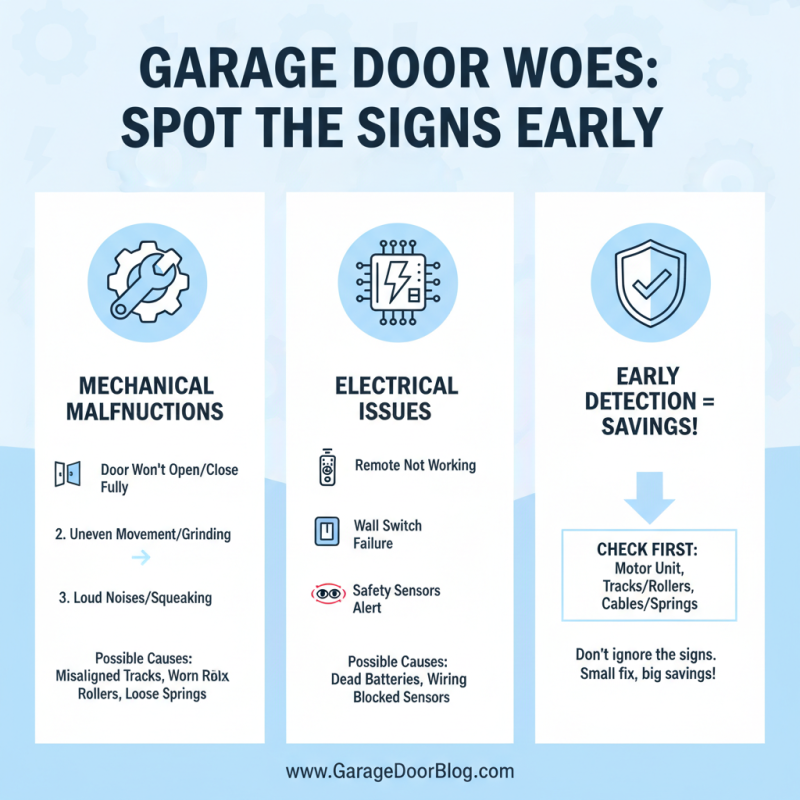
Garage doors endure much wear and tear. Common issues often stem from mechanical parts and electrical components. Identifying problems early can save you money. One typical symptom is a door that won’t open or close completely. This might indicate a misaligned track or a malfunctioning motor. Check these key areas before assuming the problem is severe.
Noisy garage doors can also signal trouble. Screeching or grinding sounds often point to worn rollers or lack of lubrication. Inspect the tracks for debris. Clean them thoroughly if necessary. Another red flag is if the door opens or closes abruptly. This may suggest issues with the safety sensors. Adjusting or replacing them can often fix this issue.
Look for cracked or broken springs as well. These are crucial for balancing the door. A damaged spring can make operation difficult and potentially dangerous. If you find an issue, consider calling a professional for safety. Regular maintenance can prevent many of these problems. Routine checks can save you from costly repairs down the line. Remember, an ounce of prevention is worth a pound of cure.
Gather Essential Tools and Supplies for Garage Door Repairs
When it comes to garage door repairs, having the right tools and supplies can make all the difference. Start by gathering a sturdy toolbox to keep everything organized. Essential tools include a wrench set, a screwdriver set, and pliers. Don't overlook safety gear like gloves and protective goggles. These items will help you tackle various DIY repairs efficiently.
Additionally, gather supplies such as replacement springs, rollers, and hinges. It's wise to have lubricants on hand, as they help reduce friction in moving parts. Check the garage door tracks for dents or obstructions. A level can help ensure that doors operate smoothly. If you notice any rust or wear, consider having touch-up paint ready for maintenance.
Sometimes repairs may not go as planned. Adapting to unexpected issues is crucial. Keep an eye out for errors and stay patient. If a tool doesn't fit, reassess your approach. Reflect on your skills and don’t hesitate to ask for help. Learning from mistakes ultimately enhances your ability to fix things effectively.
Step-by-Step Guide to Troubleshooting Your Garage Door
Garage doors are essential for home security and convenience. However, they can malfunction unexpectedly. Understanding common issues can help you troubleshoot effectively. Start by checking the power supply. Ensure the opener is plugged in and functioning. A blown fuse can disrupt the entire system.
Next, examine the door tracks and rollers. Look for debris that may cause obstructions. Cleaning the tracks can prevent sticking. Lubricate rollers to reduce friction. If the door is off track, it may require readjustment. Be gentle; forcing it can cause more damage.
Another common issue is the garage door sensors. Check if they are aligned. Dirty or misaligned sensors can prevent the door from operating. Simple cleaning can restore functionality. Finally, ensure the remote control batteries are working. Regular maintenance can save you from costly repairs later.
How to Fix Your Garage Door Easily and Affordably? - Step-by-Step Guide to Troubleshooting Your Garage Door
| Issue |
Possible Causes |
Solutions |
Estimated Cost |
| Garage Door Won't Open |
Power outage, Disconnected remote, Malfunctioning opener |
Check power supply, Replace batteries, Test the remote |
$5 - $50 |
| Garage Door Opens Slowly |
Dirt buildup, Worn-out rollers, Misalignment |
Clean tracks, Lubricate rollers, Adjust door alignment |
$10 - $75 |
| Garage Door Is Noisy |
Lack of lubrication, Worn components |
Lubricate hinges and rollers, Replace worn parts |
$10 - $100 |
| Garage Door Reversal/Safety Sensor Issues |
Blocked sensors, Misaligned sensors |
Clean sensor lenses, Adjust sensor position |
$0 - $25 |
| Garage Door Is Stuck |
Obstruction, Faulty springs |
Clear obstructions, Inspect and replace springs |
$25 - $200 |
Cost-Effective Solutions for Fixing Different Garage Door Issues
Garage door issues can arise unexpectedly. Many homeowners face expensive repair bills. However, several cost-effective solutions exist for common garage door problems. Understanding these issues can save you money and time.
One common problem is a noisy garage door. Sometimes, a simple lubrication can solve the issue. Use a silicone-based lubricant for hinges, rollers, and tracks. This can reduce noise significantly. Regularly inspecting these components helps identify wear and tear early. Replacing worn-out parts is less costly than a full door replacement.
Another frequent issue is a door that doesn’t open or close properly. Check the alignment of the tracks first. Misalignments can be adjusted with a few tools at hand. If the door still won’t budge, the springs may require adjustment. It’s crucial to approach this with caution. Garage door springs can be dangerous if handled incorrectly. Consider consulting a professional if you're unsure.
For minor dents or scratches, you can use a hairdryer to heat the affected area. This can help pop out small dents. A coat of paint can also help maintain aesthetics. While DIY solutions can be effective, reflect on your skills. Know when to call for help to avoid worsening the problem.
Cost-Effective Solutions for Garage Door Issues
Maintain Your Garage Door to Prevent Future Breakdowns
Regular maintenance of your garage door is essential.
According to industry reports, 70% of garage door failures can be prevented through simple upkeep.
Check hinges, tracks, and rollers every few months. A clean track can make a significant difference.
Dirt buildup often leads to malfunction.
Lubrication is key. Use a silicone-based lubricant on moving parts.
This reduces friction and prolongs the life of your door. Failure to lubricate can lead to costly replacements.
In fact, an unmaintained garage door may require repairs averaging $200.
Simple care can save you money.
Routine visual inspections reveal issues early. Look for rust, misalignment, and wear.
If problems arise, do not delay repairs. Waiting can escalate the situation.
Industry studies indicate that regular maintenance can increase the lifespan of a garage door by 30%.
Thus, investing time can help avoid future breakdowns. Taking proactive steps is always worth it.