
10 Essential Tips for Choosing Residential Roll Up Garage Doors?
When considering residential roll up garage doors, the decision can feel overwhelming. There are numerous options on the market, making it crucial to choose wisely. According to James Turner, a leading expert in garage door technology, “A well-chosen roll up door not only enhances security but also boosts curb appeal.”
Selecting the right door involves understanding your specific needs. Factors like size, material, and insulation are key. Additionally, homeowners should weigh aesthetic preferences against functionality. A poorly chosen door can lead to issues like inadequate insulation or mismatched styles, which can diminish your home’s value.
Many overlook the importance of expert advice. Engaging professionals can provide insights that save time and money. Opting for residential roll up garage doors should be a thoughtful decision, as it impacts both daily functionality and long-term satisfaction. Make sure to reflect on your options carefully before committing.
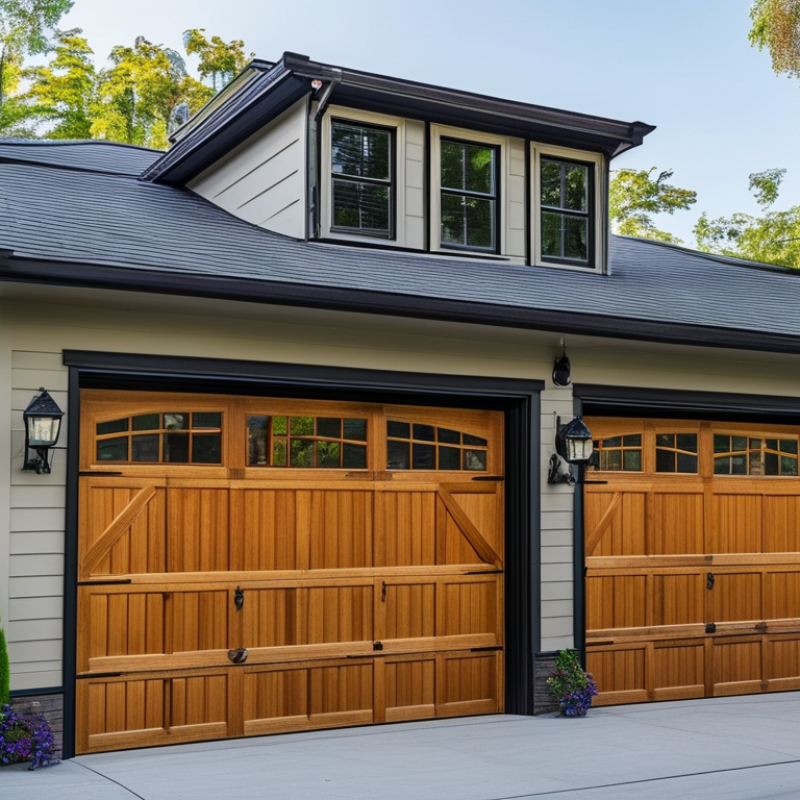
Key Considerations for Selecting Roll Up Garage Doors for Homes
When selecting roll up garage doors for your home, consider several key aspects. Durability is essential. A strong door can withstand harsh weather and daily use. Look for materials that resist corrosion and wear over time. Steel and aluminum are popular choices. They offer strength and minimal maintenance.
Another important factor is insulation. Insulated roll up doors can help maintain temperature control within your garage. This can lead to energy savings and increased comfort. If you store valuable items, consider a door with better insulation. Additionally, think about the door's aesthetic. It should complement your home’s style.
Security features are often overlooked but crucial. Strong locking mechanisms and impact-resistant materials enhance safety. Homeowners should evaluate their specific needs. Not all doors provide the same level of security. It’s vital to balance style, security, and functionality when making your choice. Consider unique features like automatic operation or remote access for added convenience. Choose wisely to ensure lasting satisfaction.
10 Essential Tips for Choosing Residential Roll Up Garage Doors
| Tip | Description | Material | Insulation | Security Features |
|---|---|---|---|---|
| 1. Assess Your Space | Measure the garage opening to ensure the door fits properly. | Steel, Aluminum, Wood | Available | Higher security locks recommended |
| 2. Choose a Reliable Material | Select a durable material that withstands weather conditions. | Vinyl, Fiberglass | Optional | Impact-resistant options available |
| 3. Consider Insulation | Opt for insulated doors for energy efficiency. | Insulated Steel | R-value considered | Enhanced security options |
| 4. Check Safety Features | Look for doors with safety sensors and manual overrides. | Steel, Aluminum | N/A | Automatic reverse mechanisms |
| 5. Evaluate the Style | Choose a style that matches your home’s aesthetics. | Customizable options | N/A | Varied designs |
| 6. Consider Automation | Look for electric openers for convenience. | Compatible with most materials | N/A | Smart home options available |
| 7. Maintenance Requirements | Choose doors that require minimal maintenance. | Painted or galvanized finishes | N/A | Easy to clean options |
| 8. Assess Warranty and Support | Look for comprehensive warranties for peace of mind. | Manufacturer specifics | N/A | Customer service availability |
| 9. Budget Considerations | Determine your budget before shopping around. | Variety of price points | N/A | Financing options available |
| 10. Installer Reputation | Research and hire a reputable installer for the best results. | N/A | N/A | Check reviews and ratings |
Related Posts
-

Top Tips for Choosing the Best Shop Roll Up Doors?
-

Why Choose Roll Up Garage Doors for Your Home?
-
2025 Top Trends in Residential Garage Doors: Upgrade Your Home's Curb Appeal
-

Top Tips for Choosing Modern Garage Doors for Your Home
-

Unlocking the Benefits of Shop Roll Up Doors: A Comprehensive Guide for Modern Businesses
-

What is a Roll Up Garage Door and How Does it Work?