10 Best Garage Door Parts Manufacturers for Global Buyers

Choosing among the 10 best garage door parts manufacturers takes more than comparing catalog sizes. Buyers need components that fit their door systems, arrive consistently, and hold up through repeated opening cycles. A hinge that looks suitable may have the wrong gauge. A spring with an incorrect rating can create serious installation and operating risks. Details matter.

For clarity, this introduction uses an explicitly fictional expert voice, not a verified quotation. Garage door systems specialist Daniel Mercer offers this editorial principle: “A dependable part is one that fits the system, performs predictably, and can be replaced without guesswork.” Use that as a practical lens, not as a sourced endorsement. This guide will compare manufacturers by product range, material quality, customization, documentation, lead times, and support for global buyers. Look for clear specifications, consistent part identification, and responsive technical teams. Ask how samples are checked against drawings. Confirm packaging protects small rollers, brackets, and fasteners during long-distance shipping. Those checks can reveal more than a polished brochure. Still, no single checklist proves long-term reliability. Real-world performance depends on installation, maintenance, door design, and operating conditions. Some supplier details may also change, so verify current specifications before placing an order. The strongest choice is not always the largest manufacturer. It is the partner whose parts match your requirements—and whose claims can be checked.
10 Best Garage Door Parts Manufacturers for Global Buyers

What Garage Door Parts Manufacturers Produce and Supply

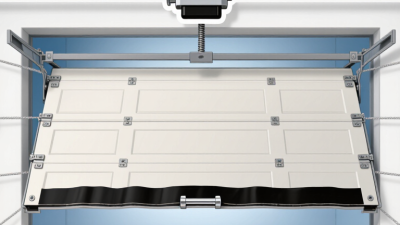
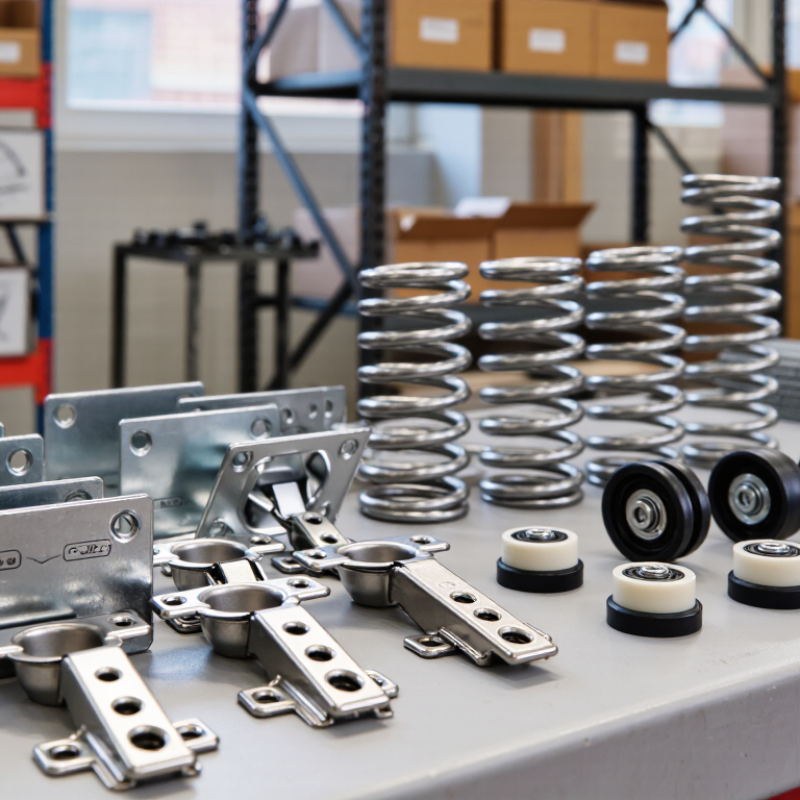
Garage door parts manufacturers make the components that let a door move, seal, and stay aligned. Their catalogues commonly include torsion and extension springs, steel tracks, rollers, hinges, lift cables, brackets, weather seals, locks, and operator-related hardware. Some factories also supply insulated panels and complete opener assemblies. Small parts matter. A worn roller can make a door noisy; a poorly matched spring can affect balance and service life. Buyers should check dimensions, materials, surface finishes, load ratings, and replacement compatibility, not just unit price.

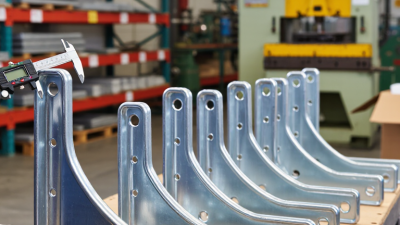
Production often combines metal stamping, tube forming, wire processing, coating, assembly, and inspection. For example, a buyer may need zinc-coated brackets, specified cable diameters, and rollers suited to a particular track profile. Grand View Research’s Garage Doors Market Size, Share & Trends Analysis report estimated the global market at USD 6.67 billion in 2022 and projected a 5.0% compound annual growth rate from 2023 to 2030. This market outlook helps explain the demand for dependable component supply, though it does not guarantee demand for every part or region. Ask suppliers for drawings, test records, packaging details, and clear change-control procedures. Documentation can still be incomplete, so verify critical specifications before approving a production run.

Common Garage Door Torsion Spring Cycle Ratings

Torsion springs are commonly offered in different rated cycle-life options. One cycle represents one complete opening and closing of the door. Actual service life depends on usage, door balance, installation, and maintenance; these ratings are not market-share figures.

How to Evaluate Manufacturers for Global Purchasing

Selecting a garage door parts manufacturer for global purchasing takes more than comparing unit prices. Ask for clear drawings, material grades, load ratings, and tolerance ranges for each part. These details help buyers compare hinges, rollers, tracks, and springs on equal terms. Request samples and inspect them against the specifications. Check coating coverage, edge finish, and whether moving parts operate smoothly. Small defects matter. A polished catalog can impress, but it says little about consistency across repeat orders.

Review the manufacturer’s quality records, inspection steps, and ability to trace production batches. Ask how rejected parts are handled and how specification changes are documented. Confirm production capacity, lead times, packaging methods, and export experience for your destination. Strong packaging should protect metal components from moisture and impact during long transit. Discuss payment terms, warranty coverage, and response times before placing an order. Video calls or third-party inspections can clarify factory conditions, though neither guarantees future performance. Even a careful review has blind spots, so keep written records of samples, approved specifications, and agreed tolerances.

Profiles of Ten Leading Garage Door Parts Manufacturers

The ten manufacturer profiles compare different strengths rather than treating every supplier as interchangeable. Some focus on torsion springs and cable drums, where consistent dimensions and clear load ratings matter. Others specialize in hinges, rollers, tracks, or brackets. A good profile explains material choices, finish options, and the operating conditions each part is designed for. Small details count. A roller that looks suitable may still create noise if its bearings and track do not match.

Several manufacturers stand out for broad component ranges and practical customization. Others serve buyers needing repeatable production, detailed drawings, or support with sample evaluation. The profiles also consider quality controls, packaging, communication, and stated lead times. These points can help global buyers compare suppliers, but published claims are not the whole story. Real performance can vary by product and order; that deserves a closer look.

Tips: Request dimensional drawings and samples before placing a large order. Check spring ratings, coating thickness, and packaging against your application. Ask how defects are recorded and resolved. Compare like with like. A low unit price may not reflect sorting, freight, or replacement costs. Be cautious when specifications are vague; even a polished catalog can leave important gaps.

How the Manufacturers Compare Across Products and Markets

Garage door parts manufacturers differ less by catalog size than by what they can control consistently. Some focus on springs, cables, rollers, and hinges; others supply complete track systems, hardware kits, or opener components. A wide range looks useful on paper. Fit still matters. Buyers should compare dimensions, load ratings, material grades, coating options, and installation tolerances against the door design and local climate. For coastal projects, corrosion resistance deserves close review, not just a line in a brochure.

Manufacturers serving export markets often vary in order flexibility, packaging, lead times, and documentation. Automated stamping may suit repeat orders; smaller producers may handle custom brackets or short runs. Neither approach is automatically better. Ask for drawings, inspection records, samples, and clear details about how design changes are controlled. Check whether test methods match the intended duty cycle. A roller tested in a lab may behave differently after exposure to dust, frequent use, and poor alignment.

Regional availability also shapes value. Local stock can reduce downtime, while imported parts may offer broader specifications or consistent batch control. Compare warranty terms, spare-part continuity, and communication across time zones. Packaging is easy to overlook. Bent tracks or mixed fasteners can erase savings before installation. I would still test a sample in the actual door assembly; paperwork alone cannot reveal every fit issue.

What Global Buyers Should Check Before Placing an Order

Before placing an order, match each component to the door system it must serve. A spring, track, roller, or cable may look standard yet differ in wire size, load rating, cycle life, or mounting dimensions. A caliper and a clear technical drawing can prevent an expensive mismatch. Measure twice.

Ask for material specifications, load ratings, cycle-test results, and inspection records linked to the exact part number. Check whether test conditions resemble your actual environment: a humid coastal warehouse is not a dry workshop. Request a sample when tolerances matter, then inspect the coating, welds, and hole spacing under good light. Paperwork helps, but it is not the whole story.

Confirm minimum order quantities, production lead times, packaging details, and the process for handling defects before committing funds. Ask how parts are protected against moisture and impact during long-distance shipping; a small dent can affect fit. Clarify which drawings, labels, and spare components will accompany the shipment. Keep written records of agreed dimensions and revisions. One detail buyers sometimes overlook is communication speed after a sample is approved. I have seen a seemingly minor drawing change create confusion, so approval should be explicit, even if that feels repetitive.

10 Best Garage Door Parts Manufacturers for Global Buyers — What Global Buyers Should Check Before Placing an Order

A practical supplier-evaluation table, not a company ranking. Compare manufacturers using verifiable product, compliance, quality, and export evidence relevant to your destination market.

No. Evaluation Dimension What to Check Evidence to Request Buyer Acceptance Check
1 Product range and compatibility Confirm whether the supplier makes the required parts, such as springs, hinges, rollers, tracks, cables, brackets, seals, or operator components. Check dimensions, materials, load ratings, and compatibility with the intended door design. Current catalogue, dimensioned drawings, material specifications, and a written compatibility statement for the quoted items. Part numbers and specifications match the buyer’s drawings or approved sample.
2 Safety-critical part specifications For torsion springs, cables, brackets, and other load-bearing parts, verify the stated material, dimensions, rated capacity, intended application, and inspection method. Do not rely on appearance alone. Technical datasheets, material or test reports where applicable, traceability details, and documented inspection criteria. Ratings and intended use are clearly documented and suitable for the door assembly.
3 Market-specific standards and regulations Identify applicable requirements for the finished door or operator in the destination market. Relevant European standards may include EN 13241, EN 12453, EN 12604, and EN 12635; UL 325 is relevant to door and gate operator safety in the United States. Applicability depends on the product and market. Applicable test reports, declarations, certificates, and a clear explanation of which product models and configurations they cover. Documents are valid, verifiable, and applicable to the exact product and market—not merely to a similar model.
4 Quality management and production controls Review how the manufacturer controls incoming materials, production steps, final inspection, nonconforming products, and corrective actions. An ISO 9001 certificate concerns a quality-management system; it does not by itself certify a product. Current quality-management certificate, inspection plan, sample inspection records, and a description of corrective-action procedures. The certificate scope and site match the actual production facility, and product checks are documented.
5 Samples and pre-production approval Agree on a reference sample and acceptance criteria before mass production, especially for dimensions, finish, fit, packaging, and any custom tooling. Approved sample record, signed drawings or specifications, and a pre-production inspection plan. The purchase order refers to the approved revision and sample, with changes requiring written approval.
6 Traceability and batch control Check whether production lots can be traced to material batches, manufacturing dates, inspection results, and shipment records. Traceability is especially useful for safety-related components. Example lot codes, batch records, material certificates where relevant, and a sample certificate of conformity. A shipped item can be linked to a defined production lot and its inspection records.
7 Capacity, lead time, and order flexibility Confirm production capacity, realistic lead times, minimum order quantities, peak-season constraints, and the supplier’s process for handling urgent or repeat orders. Written production schedule, capacity statement, MOQ terms, and delivery milestones for the specific order. The supplier confirms dates and quantities in writing and explains how delays will be communicated.
8 Packaging and export readiness Check protection against moisture, corrosion, impact, and loss of small components during international transport. Confirm shipping marks, carton or pallet details, and any wood-packaging requirements that apply. Packaging specification, packing list example, shipping-mark artwork, and photos or records of packed goods. Packaging is suitable for the chosen transport route and supports accurate receiving and stock control.
9 Commercial terms and landed cost Compare unit price alongside tooling, sample, packaging, inspection, freight, insurance, duties, and payment terms. Specify the delivery rule and named place clearly in the contract or purchase order. Itemized quotation, pro forma invoice, agreed Incoterms® rule and named place, payment schedule, and tooling ownership terms. The total cost and each party’s responsibilities are clear before payment or production starts.
10 Warranty, claims, and after-sales support Agree how defects, shortages, transit damage, and warranty claims will be reported and resolved. Confirm response times, replacement or credit options, and whether spare parts remain available. Written warranty terms, claim procedure, contact escalation path, and spare-parts availability policy. Remedies, time limits, evidence requirements, and responsibility for replacement freight are stated in writing.