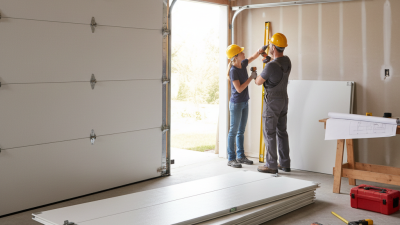
Top 10 Overhead Garage Tips Every Buyer Should Know?
When considering an overhead garage, various factors can influence your decision. This space is crucial, offering convenience and storage. However, many potential buyers overlook essential details. Understanding the nuances of overhead garage systems is vital for making informed choices.
Investing in an overhead garage can enhance your home's functionality. Think about the layout and size. Is it suited for your needs? Many homeowners face challenges regarding organization and vehicle space. Ignoring these aspects can lead to future frustration.
Research shows that proper maintenance significantly extends the lifespan of an overhead garage. Regular inspections and timely repairs become essential. Being proactive prevents unexpected issues down the line. Balancing aesthetics with practicality is a common struggle. The goal is to create a space that is both useful and visually appealing.
Understanding Garage Types: A Buyer’s Guide
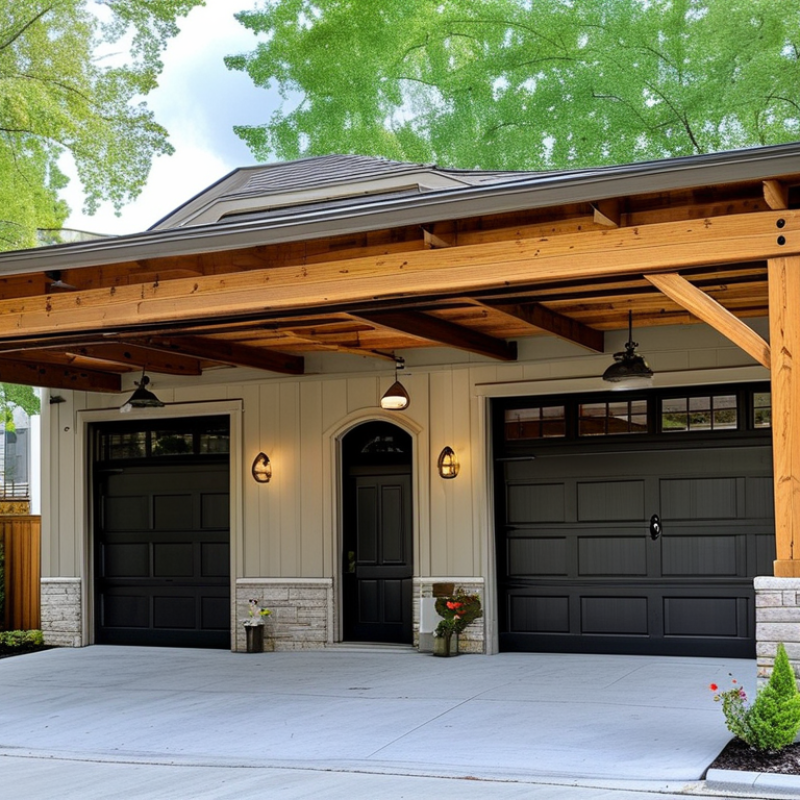
When considering a garage, understanding the types available is essential. Most commonly, buyers encounter attached, detached, and carport garages. Attached garages offer convenience but can sometimes lack privacy. Detached models provide more space but may create a disconnect from the home. Carports typically offer minimal shelter, leaving vehicles exposed. Each type has its advantages and disadvantages, which vary based on individual needs and lifestyle.
The materials used in garage construction should also be a focal point. Steel and wood are standard choices. Steel garages often offer durability and security, while wooden options can provide aesthetic charm. Be mindful of the climate in your area. Wood may warp or rot in humid conditions, and steel can rust if not properly maintained. Think about insulation as well. An insulated garage helps regulate temperature and can protect your belongings.
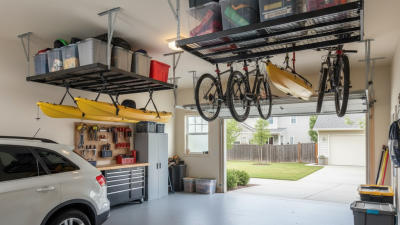
Finally, consider the design and functionality of your garage. A cluttered garage can make finding items difficult. Invest in shelving or storage solutions to maximize space. Lighting is another vital aspect. Poor lighting can turn a simple task into a challenge. Reflect on these factors to ensure that your garage meets your needs.
Essential Overhead Garage Features to Consider
When considering an overhead garage, certain features greatly enhance functionality and security. One crucial aspect is insulation. A well-insulated garage can maintain a stable temperature, reducing energy costs. According to the U.S. Department of Energy, proper insulation can lead to a 20% decrease in heating and cooling expenses. This is particularly important for homeowners who utilize their garages for more than just parking.
Another essential feature is the garage door opener. An intelligent opener, equipped with smartphone connectivity, allows remote monitoring. This enhances security by providing alerts when the door opens and closes. A report from the International Door Association indicates that homes with modern garage door openers see a 30% decrease in unauthorized access. This data underscores the importance of upgrading to secure technology.
Lighting is often overlooked, yet it plays a pivotal role in garage safety. Optimal illumination can prevent accidents and improve visibility. According to the National Safety Council, proper lighting can reduce accidents in garages by 50%. Homeowners should also consider motion-sensor lights for convenience. However, many garages still lack sufficient lighting, a point that indicates the need for awareness and improvement in design aspects.
Space Optimization Tips for Overhead Garages
Overhead garages can quickly become cluttered spaces if not managed properly. One crucial strategy is to utilize vertical space efficiently. Wall-mounted shelves and pegboards can hold tools and seasonal items, keeping the floor area open. This allows for easier movement and access, transforming a chaotic garage into a more organized area.
Another effective approach is to categorize items based on their use. For instance, group gardening tools, sports equipment, and automotive supplies together. This method minimizes stress when searching for items. Clear bins are helpful in this process, allowing visibility of contents while maintaining a neat appearance. Utilizing labels can also enhance organization, making it easier to find what is needed without frustration.
While optimizing space, it's important not to fall into the trap of hoarding unnecessary items. Periodically reviewing what you store can help identify items to donate or discard. Keeping your garage clutter-free requires ongoing effort and reflection. A well-organized space not only improves functionality but can also add value to your home. Efficient organization is a blend of creativity and practicality, ensuring every inch of your garage serves a purpose.
Top 10 Overhead Garage Tips Every Buyer Should Know
Safety Considerations for Overhead Garage Designs
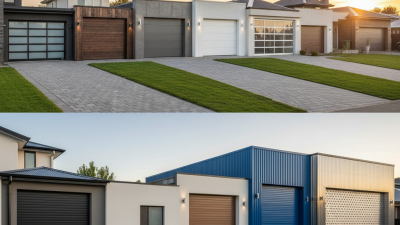
When considering overhead garage designs, safety must be a primary focus. One critical aspect is the height of the garage door. Ensure the opening height accommodates vehicles comfortably. A door that is too low can pose risks when parking. Poor clearance can lead to accidents and damage.
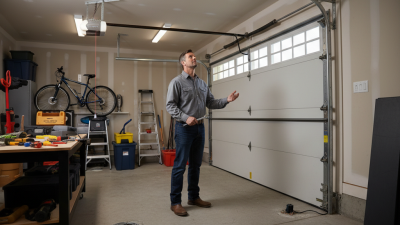
Properly installed garage door openers are essential. They should have safety features like auto-reverse systems. This functionality prevents the door from closing on an object or person. Regular maintenance checks are necessary to ensure these systems work efficiently. A malfunctioning door can lead to serious injuries.
Lighting is another vital consideration in overhead garages. Bright, even lighting prevents accidents when entering or exiting. Installing motion-sensor lights can enhance safety, especially at night. Additionally, consider organizing tools and equipment. Clutter can lead to slips and falls. Keeping the area tidy promotes a safer environment.
Maintenance Tips for Long-lasting Garage Functionality
Maintaining an overhead garage door is essential for its longevity and functionality. Regularly checking the door’s springs and cables is vital. According to industry reports, springs should be inspected every six months to prevent sudden failures. Noticing early signs of wear can save significant repair costs later.
Lubrication is another key aspect. Using a silicone-based lubricant can reduce friction on the mechanical parts. The International Door Association recommends this should be done at least once a year. This simple act can enhance the door’s operation and extend its life.
Weather stripping is often overlooked. It’s crucial for energy efficiency and keeping out moisture. A study noted that proper sealing can reduce heating and cooling costs by up to 15%. Replacing worn weather stripping ensures your garage remains insulated and dry. Checking this element periodically is a good habit. This may lead to discovering other maintenance needs sooner. Addressing these issues promptly helps ensure a hassle-free experience with your garage door.
Top 10 Overhead Garage Tips Every Buyer Should Know
| Tip |
Description |
Frequency |
Estimated Cost |
| Inspect Door Opener |
Check functionality of the garage door opener and safety features. |
Monthly |
Free |
| Lubricate Moving Parts |
Apply lubricant to hinges, rollers, and tracks to eliminate noise and wear. |
Every 6 months |
$10 |
| Clean Tracks |
Remove debris and dirt from tracks to ensure smooth operation. |
Quarterly |
Free |
| Test Safety Features |
Test the auto-reverse feature to ensure it works properly. |
Monthly |
Free |
| Inspect Weather Stripping |
Check for wear and tear in weather stripping to prevent drafts. |
Annually |
$20 |
| Check Springs |
Inspect for signs of wear or breakage in torsion springs. |
Annually |
$100 |
| Replace Batteries in Remotes |
Ensure remote batteries are replaced to avoid functionality issues. |
Every year |
$5 |
| Inspect for Rust |
Check metal parts for rust and corrosion to maintain integrity. |
Annually |
Free |
| Check Garage Door Balance |
Ensure that the garage door is properly balanced for smooth operation. |
Every 6 months |
Free |
| Schedule Professional Inspection |
Consider hiring a professional for a thorough inspection of garage door systems. |
Every 2 years |
$150 |