Choosing shop roll up doors in 2026 is not just about selecting a sturdy-looking door. The right choice depends on your opening size, daily traffic, available headroom, and the conditions inside your shop. A small repair bay used a few times a day has different needs from a busy workshop where doors cycle constantly. Details matter.
This guide compares common options, including standard steel curtains, insulated models, and doors designed for frequent operation. Steel may suit shops that prioritize durability and straightforward maintenance. Insulation can help moderate indoor temperatures and reduce outside noise, though its value depends on your building and climate. High-cycle components may be worth considering when staff open the door repeatedly throughout the day. Check manufacturer specifications rather than relying on appearance alone.
Measure the opening carefully. Note nearby lights, tracks, shelving, and the space above the door; these can affect installation and operation. Easy to miss. Also consider wind exposure, security needs, cleaning routines, and the availability of replacement parts. A door that looks affordable on paper may become frustrating if it does not match your workflow. That is easy to overlook when comparing prices.
There is no single best type for every shop. The practical choice balances purchase cost, expected use, operating conditions, and service support. Before ordering, confirm dimensions and requirements with the manufacturer or a qualified installer. A little checking now can prevent an expensive mismatch later.
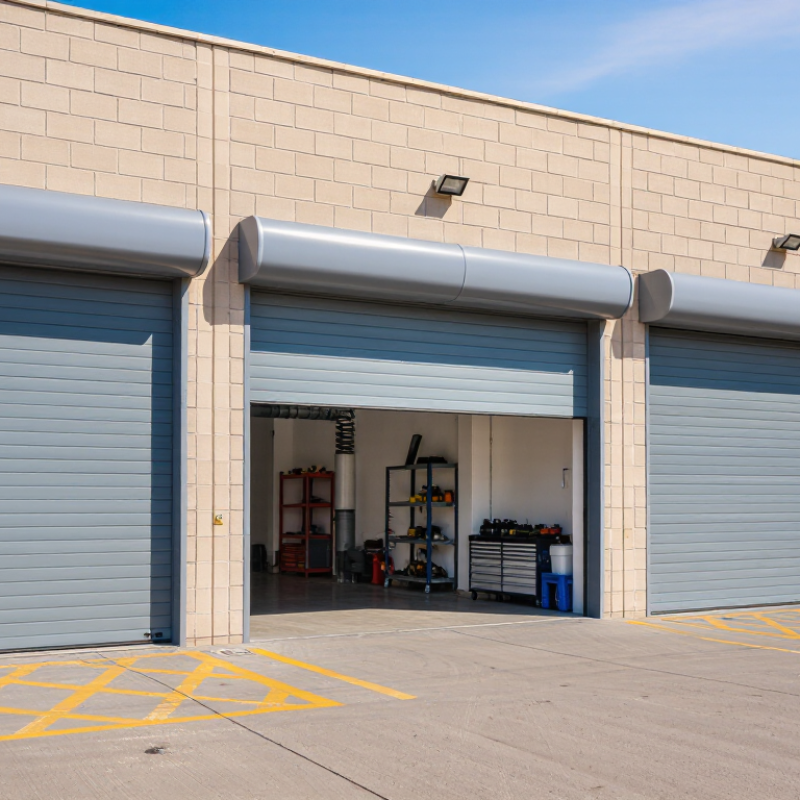
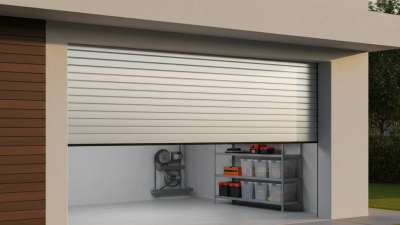
A shop roll-up door is built from connected horizontal slats that travel vertically in side guides and coil around a barrel above the opening. As the door rises, the curtain wraps into a compact roll, leaving the space below clear. Many models use a hand chain or spring-assisted lift; powered versions use a motor and wall control. Simple in principle. The actual feel depends on the door’s size, balance, and condition. That detail is easy to overlook.
These doors suit repair bays, small workshops, storage rooms, and loading areas where swing-out clearance is limited. A mechanic can raise the door without moving tools or vehicles away from its path. In dusty or drafty spaces, side guides and a bottom seal can help limit debris and air movement, though they do not make every opening weather-tight. Steel slats often suit heavier use, while lighter materials may fit smaller openings. Check the guides, fasteners, and bottom edge periodically for wear or obstruction. If the curtain sticks or drops unevenly, stop using it until the cause is assessed. Spring and counterbalance repairs can be hazardous, so they are best handled by a qualified door technician.
Types of Shop Roll-Up Doors and Their Key Differences
Shop roll-up doors vary in construction, insulation, speed, and visibility. Standard steel doors use interlocking slats that coil above the opening. They suit workshops needing durable, straightforward access, but can be noisy and offer little insulation. Insulated steel models add a thermal core, helping reduce drafts and temperature swings. That matters when staff work near the doorway or tools need protection from damp air. They are heavier, though, so check the opening’s structure and operating requirements before choosing.
High-speed fabric doors open quickly and are useful for busy spaces with frequent traffic. Their flexible curtains can reduce waiting and limit air exchange, but they may not provide the same impact resistance as steel. Grille-style rolling doors allow airflow and visibility, making them suitable where supervision matters more than weather control. No single type is best for every shop. A door that works well in a heated repair bay may be a poor fit for a dusty storage area.
Tips: Measure the clear opening, headroom, and side room—not just the doorway. Note how often the door cycles, whether vehicles pass through, and if insulation or visibility matters most. Ask an installer to verify wind exposure and mounting conditions. Small site details are easy to miss, and the cheapest option can become inconvenient quickly.
| Door Type | Typical Construction | Insulation and Weather Control | Operation | Best Suited For | Key Advantages | Key Trade-Offs |
|---|---|---|---|---|---|---|
| Standard Rolling Steel Door | Interlocking steel slats coil above the opening when raised. | Usually offers limited thermal insulation unless weather seals or insulated slats are specified. | Can be manually operated or motorized, depending on door size, use, and configuration. | General-purpose workshops, storage areas, and service bays where durability and security are priorities. | Durable construction, compact overhead storage, and a straightforward design. | Can be noisy during operation; basic versions may provide limited insulation and air sealing. |
| Insulated Rolling Steel Door | Steel slats with an insulating core or insulated curtain design; construction varies by model. | Typically provides better thermal performance and can reduce drafts when fitted with suitable perimeter seals. | Manual or motorized operation is available; heavier doors may require a motor. | Heated or cooled workshops, garages, and buildings where energy efficiency or indoor comfort matters. | Helps moderate heat transfer and can improve comfort and noise control compared with non-insulated doors. | Generally costs more and weighs more than a basic rolling steel door; performance depends on the complete door assembly and installation. |
| High-Speed Fabric Roll-Up Door | Flexible fabric curtain that travels along side guides; some designs include a weighted bottom bar or wind-retention features. | Usually provides less thermal insulation than insulated steel doors, though seals and curtain design can help limit air exchange. | Typically motorized and designed for frequent, rapid cycles; actual speed depends on the model and opening. | Busy work areas, interior openings, and facilities that benefit from faster traffic flow. | Fast cycling can help reduce waiting and limit the time an opening remains exposed. | Fabric may be more vulnerable to cuts or impact than steel; suitability for exterior exposure depends on the specific design. |
| Rolling Grille | Open-pattern metal curtain made from interlocking links, rods, or grille sections. | Provides little thermal or weather protection because much of the curtain remains open. | Available with manual or motorized operation, depending on size and frequency of use. | Retail workshop counters, equipment areas, and openings where visibility and airflow are useful. | Allows airflow and visibility while helping restrict access; rolls into a compact overhead coil. | Does not provide the privacy, weather seal, or insulation of a solid curtain door. |
| Fire-Rated Rolling Steel Door | Fire-protection door assembly that may include a steel curtain, guides, bottom bar, and a fire-release mechanism. | Selected primarily for its tested fire-protection function, not for thermal insulation or everyday weather sealing. | Normally held open by an approved release arrangement and closes when activated; installation and testing requirements apply. | Openings where building plans or fire-safety requirements call for a fire-protection door. | Can help limit the spread of fire and smoke when correctly specified, installed, and maintained as part of an approved assembly. | Must match applicable codes and the required fire rating; inspection, testing, and maintenance are important. |
| Counter Rolling Shutter | Compact rolling curtain, commonly metal, sized for a counter or smaller service opening. | Usually offers limited insulation and weather protection; sealing options vary. | Often operated manually, with motorized options available for some applications. | Parts counters, service windows, and small openings within a workshop or commercial space. | Space-efficient closure for smaller openings, with a compact coil above the counter. | Not intended as a substitute for a full-size vehicle or shop entrance door. |
Selection note: Door performance, available sizes, cycle ratings, operating speed, insulation values, wind resistance, and code requirements vary by product and installation. Confirm the opening dimensions, usage frequency, site conditions, and local requirements before choosing a door.
A shop roll-up door is part of the building envelope, not just an opening. The International Energy Agency’s 2024 Global Status Report says buildings account for about 32% of global energy demand. That figure covers whole buildings, not doors, but it makes heat loss worth checking. Steel offers toughness; aluminum can reduce door weight and resist corrosion. Insulated slats, thermal breaks, and perimeter seals help limit drafts. A high insulation rating means little if cold air whistles through the jambs.
Look beyond the label. The U.S. Energy Information Administration’s 2018 Commercial Buildings Energy Consumption Survey tracks heating use alongside building characteristics, a useful reminder that each shop operates differently. A heated workshop may benefit from insulated construction, while a dusty, unheated storage bay may prioritize durability and ventilation. Not glamorous. Ask for the door’s tested insulation value and confirm how it was measured. Ratings can vary with design and test conditions.
For security, compare slat thickness, guide construction, locking points, and how the door meets the floor. No door makes a building invulnerable. Consider operating features too: a chain hoist may suit occasional use, while a motorized operator can reduce daily lifting effort. Check cycle rating, manual release, photo eyes, and safety edges. These details are easy to overlook during selection. They matter when a door is opening repeatedly beside people, carts, and workbenches.
Choosing a shop roll-up door starts with the work happening behind it, not the catalog photo. A quiet repair bay with modest traffic may suit a standard, non-insulated steel curtain. It keeps the opening secure and uses little overhead room. Simple can be enough. If the shop is heated, cooled, or attached to a workspace, an insulated door can reduce drafts and help steady indoor temperatures. Check the curtain’s insulation details and edge seals; “insulated” alone does not tell the whole story. In a wash area or dusty fabrication space, ask about corrosion-resistant finishes and cleanable surfaces. The right coating depends on actual exposure, not just the room’s name.
Traffic matters. A door opened dozens of times each shift may benefit from a higher-cycle system and a motor suited to its use. For occasional access, that upgrade may add cost without much value. Measure clear width, height, side room, and headroom before comparing quotes. A compact roll-up design still needs space for guides, brackets, and the coil above the opening. That detail gets missed surprisingly often. Also consider noise, wind exposure, visibility, and whether workers need a separate pedestrian entrance. Ask the installer to explain maintenance needs, safety features, and service access in writing. No door is maintenance-free; springs, guides, and operating hardware need periodic inspection. It is tempting to choose by price alone, but verify the opening and site conditions with a qualified installer before deciding.
Before comparing shop roll-up doors, measure the opening’s width and height at several points. Floors and jambs are not always square. Measure twice. Check side room and headroom too, including space for tracks, brackets, and the coiled curtain. Allow for the tallest vehicle or equipment that must pass through; a tight fit can become an expensive daily problem.
Installation depends on the building, not just the door size. The mounting surface needs to support the door and its operating hardware, while the floor should provide a reasonably even closing surface. Have an experienced installer assess unusual framing, limited clearance, or a sloped floor before ordering. Costs vary with door dimensions, curtain material, insulation, wind-load requirements, controls, labor, and site preparation. The lowest quote may omit needed electrical work or repairs to the opening. Ask for those items in writing.
Maintenance helps catch wear before the door stops working. Follow the door maker’s service schedule, and regularly look for loose fasteners, damaged slats, debris in guides, or changes in movement. Keep the guides clear. Do not adjust springs or other tensioned components yourself; stored force can cause serious injury. A new grinding sound or uneven travel deserves attention from a qualified technician. Sometimes the cause is small. Guessing can make it worse.