Top 10 Roll Up Door Options: Choosing the Best for Your Needs

When it comes to maximizing space and ensuring security, roll up doors have become an essential feature for both residential and commercial properties. These versatile doors are not only practical, but they also enhance aesthetic appeal while providing easy access and efficient use of space. Whether you're looking to upgrade your garage, warehouse, or storefront, choosing the right roll up door can significantly impact functionality and safety.

With a myriad of options available on the market, understanding the various types of roll up doors and their unique features is crucial. Factors such as material, insulation, and ease of operation play pivotal roles in selecting the ideal door that meets your specific needs. In this article, we will explore the top 10 roll up door options, guiding you through the selection process to ensure you make an informed decision that aligns with your requirements and preferences. From manual to electric mechanisms, we will cover essential aspects that highlight the advantages of each type, helping you to determine the best roll up door for your situation.
Top 10 Roll Up Door Options: Choosing the Best for Your Needs

Key Considerations for Choosing Roll Up Doors

When selecting the right roll up door for your needs, several key considerations come into play, impacting not only functionality but also long-term return on investment. First, understanding the material options is crucial. Roll up doors can be made from steel, aluminum, or fiberglass, each offering distinct benefits. According to industry reports from Freedonia Group, the demand for steel roll up doors is projected to grow significantly, fueled by their durability and resistance to wear and tear, making them ideal for high-traffic scenarios.

Another vital aspect to consider is insulation properties. With energy efficiency becoming increasingly important, selecting a roll up door with proper insulation can reduce heating and cooling costs. The Department of Energy has highlighted that well-insulated doors can enhance energy efficiency by 15% to 30%. Furthermore, a study from the National Building Museum indicates that insulated roll up doors not only reduce energy costs but also contribute to a more stable indoor environment, which can be especially beneficial in commercial settings.

Lastly, security features should not be overlooked. Roll up doors equipped with advanced locking mechanisms and robust materials can help deter break-ins and enhance the safety of your property. In fact, a report from the Security Industry Association stated that over 30% of commercial property thefts occurred through unsecured entry points. Thus, opting for a roll up door with reinforced security features is essential in protecting assets and minimizing risk.
Types of Roll Up Doors: An Overview of Options Available

Top 10 Roll Up Door Options: Choosing the Best for Your Needs

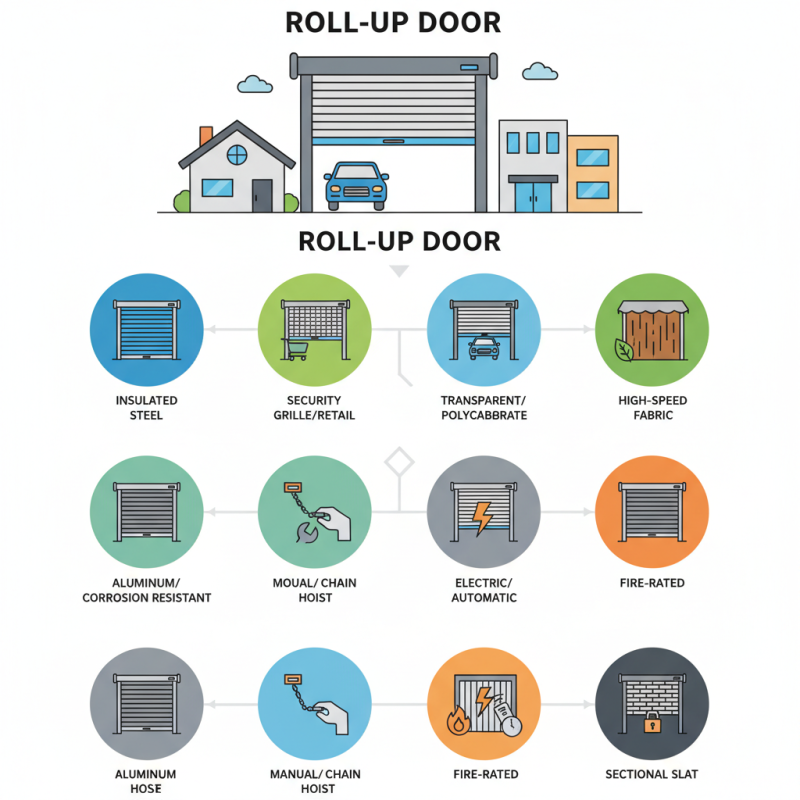
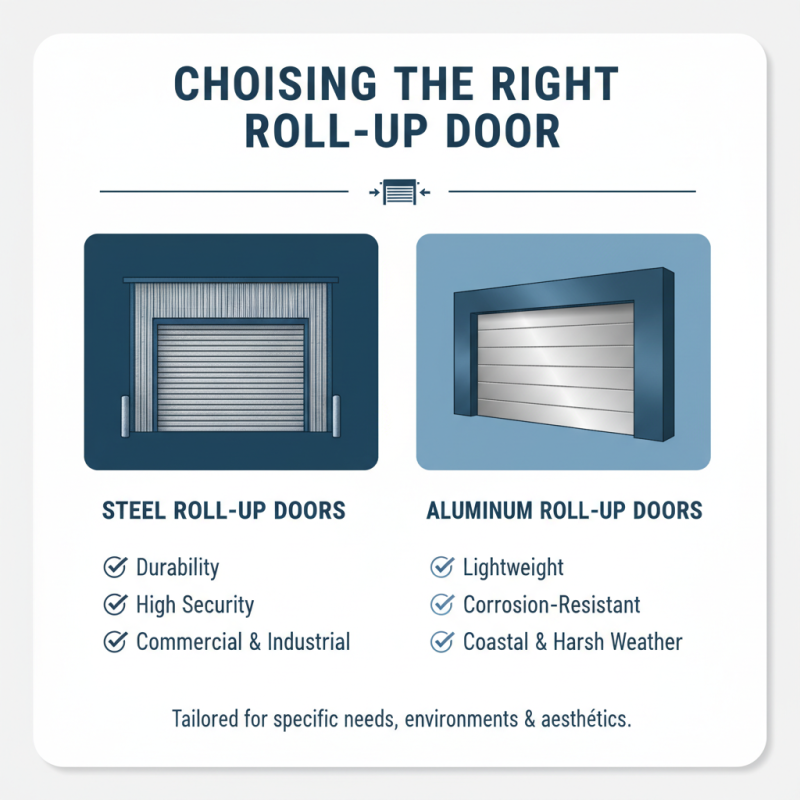
When it comes to choosing the right roll-up door, it's essential to understand the various types available to ensure you meet your specific needs. Roll-up doors come in several designs, each tailored for different applications, environments, and aesthetic preferences. One common type is the steel roll-up door, known for its durability and security, making it ideal for commercial and industrial settings. Alternatively, aluminum roll-up doors offer a lightweight and corrosion-resistant option, which is especially beneficial in coastal areas or locations exposed to harsh weather conditions.

Another significant category is high-speed roll-up doors, which are designed for rapid operation. These doors are perfect for warehouses or facilities requiring frequent access, enhancing workflow and reducing energy loss. Insulated roll-up doors are yet another option, providing excellent thermal efficiency and noise reduction. These are particularly advantageous for temperature-sensitive environments such as food storage or climate-controlled spaces. By familiarizing yourself with these various roll-up door types, you can better assess which solution aligns with your operational requirements and enhance the functionality of your space.

Factors Impacting the Cost of Roll Up Doors

Top 10 Roll Up Door Options: Choosing the Best for Your Needs

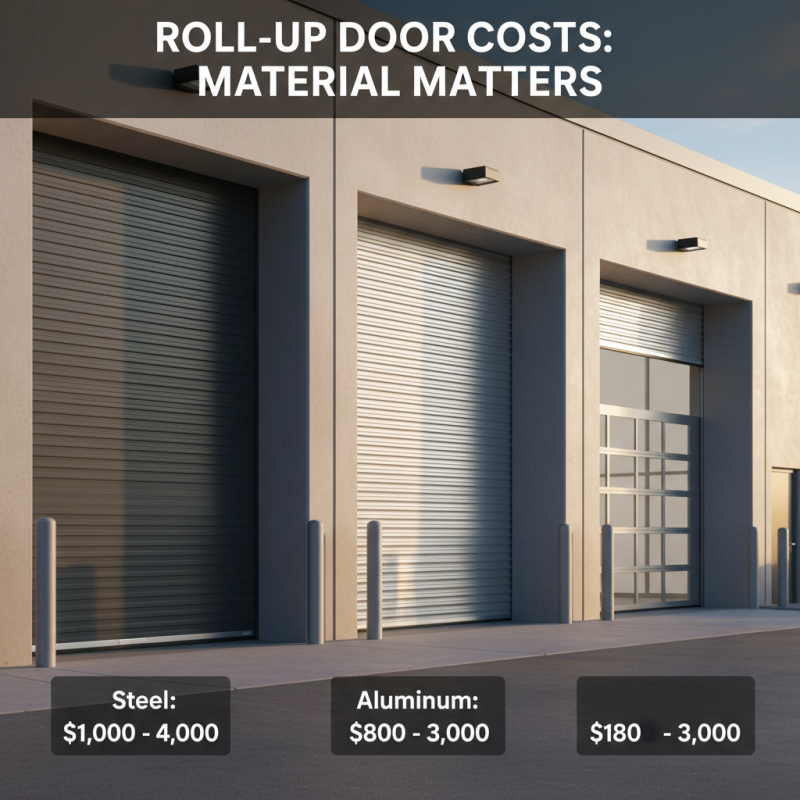
When considering roll-up doors, several factors significantly impact their cost. One key aspect is the material used in their construction. For instance, steel doors, while durable and secure, tend to be more expensive than aluminum or fiberglass options. According to a recent industry report, steel roll-up doors can range from $1,000 to $4,000, depending on the gauge and finish, whereas aluminum doors may cost between $800 and $3,000. The choice of material not only affects the initial investment but also influences maintenance costs over the door's lifespan.

Another important factor is the door's size and customization options. Standard-sized roll-up doors typically incur lower costs due to economies of scale in manufacturing. However, custom sizes can lead to a significant increase in price, often adding 20-50% to the base cost. Additionally, features such as automated opening mechanisms or enhanced security options may also elevate the final price. A comprehensive survey of industry pricing revealed that customization is a major driver, with tailored solutions often pushing costs upwards of $5,000, depending on the complexity of the design. Understanding these variables is crucial for making an informed decision that aligns with budgetary constraints while meeting specific functional requirements.

Installation and Maintenance Tips for Roll Up Doors

When it comes to roll up doors, proper installation and maintenance are crucial for ensuring longevity and optimal performance. First, ensure that the door’s frame is correctly aligned during installation to avoid excess wear and tear. Utilize a level and measure carefully to confirm that the tracks are straight and securely attached to the structure. It’s also important to double-check that all bolts and screws are tightened to prevent any movement that could lead to malfunction.

Regular maintenance can significantly extend the life of your roll up door. Perform routine inspections to check for any signs of wear, such as frayed cables or rusted components. Keep the tracks free from debris and ensure that rollers are lubricated properly to facilitate smooth operation. Consider implementing a seasonal maintenance schedule, where you can inspect the door’s functionality and address any issues before they escalate.

In addition, taking preventative measures can further enhance the longevity of your roll up door. Installing weather seals can protect against moisture and dirt, while adjusting the tension of the springs can help maintain balance and reduce the risk of stress on the door mechanism. By following these tips, you can ensure your roll up door remains in excellent working condition for years to come.

Top 10 Roll Up Door Options: Choosing the Best for Your Needs

Option Material Insulation Application Maintenance Level
Aluminum Roll Up Door Aluminum Low Commercial Low Maintenance
Steel Roll Up Door Steel Medium Industrial Moderate Maintenance
Fiberglass Roll Up Door Fiberglass High Food Processing High Maintenance
Insulated Roll Up Door Steel High Cold Storage Moderate Maintenance
PVC Roll Up Door PVC None High Traffic Areas Low Maintenance
Wooden Roll Up Door Wood Low Residential High Maintenance
Emergency Roll Up Door Steel Medium Emergency Services Moderate Maintenance
Fire Rated Roll Up Door Steel None Fire Safety High Maintenance
High-Speed Roll Up Door Aluminum Medium Logistics Moderate Maintenance
Custom Roll Up Door Varies Varies Custom Applications Varies

Choosing the Right Roll Up Door for Specific Applications

When selecting a roll up door, it is crucial to consider the specific application to ensure that it meets the unique requirements of that environment. For instance, a garage roll up door needs to combine durability with ease of use, allowing for quick access while maintaining security. Additionally, factors like insulation and weather resistance can be vital for commercial settings such as warehouses, where temperature control and energy efficiency are important. This type of door can significantly impact the operational efficiency of the space.

In contrast, industrial applications might require roll up doors that are designed to withstand heavy usage and harsh conditions. Heavy-duty options with reinforced materials are essential in such scenarios. These doors not only offer longevity but also need to be accessorized with safety features and automated mechanisms to enhance functionality in busy environments. Therefore, understanding the specific use case and operational demands will guide in choosing the most suitable roll up door to optimize performance and safety.

Top 10 Roll Up Door Options: Choosing the Best for Your Needs