
What Are the Top Garage Door Styles for 2026?
Choosing among the leading garage door styles for 2026 requires more than following a photograph or showroom trend. A door frames the home’s front elevation, controls daylight, and affects daily security. Modern homeowners are comparing clean aluminum-and-glass panels, warm carriage-house designs, classic raised panels, and bold flush doors. Each option creates a different visual rhythm. Imagine a charcoal door with narrow windows, or a cedar-look finish catching the afternoon sun.
Tom Wadsworth, a longtime garage door industry educator, offers a useful reminder: “The garage door is the largest moving object in most homes.” That fact deserves attention. Style should never hide questions about spring systems, insulation, wind resistance, opener compatibility, or maintenance. A beautiful door can still disappoint. Small details matter.
This guide examines the strongest garage door styles for 2026 through practical design and performance criteria. It considers curb appeal, climate, material lifespan, energy efficiency, and realistic installation needs. Contemporary flush doors may suit minimalist architecture, while traditional homes often benefit from authentic carriage-house proportions. Full-view glass can brighten a garage, but privacy and heat gain require careful planning. Wood provides character, yet it demands regular finishing in wet climates.
No ranking is perfect. Homes differ. Budgets change. The most fashionable choice may not be the most sensible one. By comparing appearance with engineering and upkeep, readers can make a more confident, durable decision.
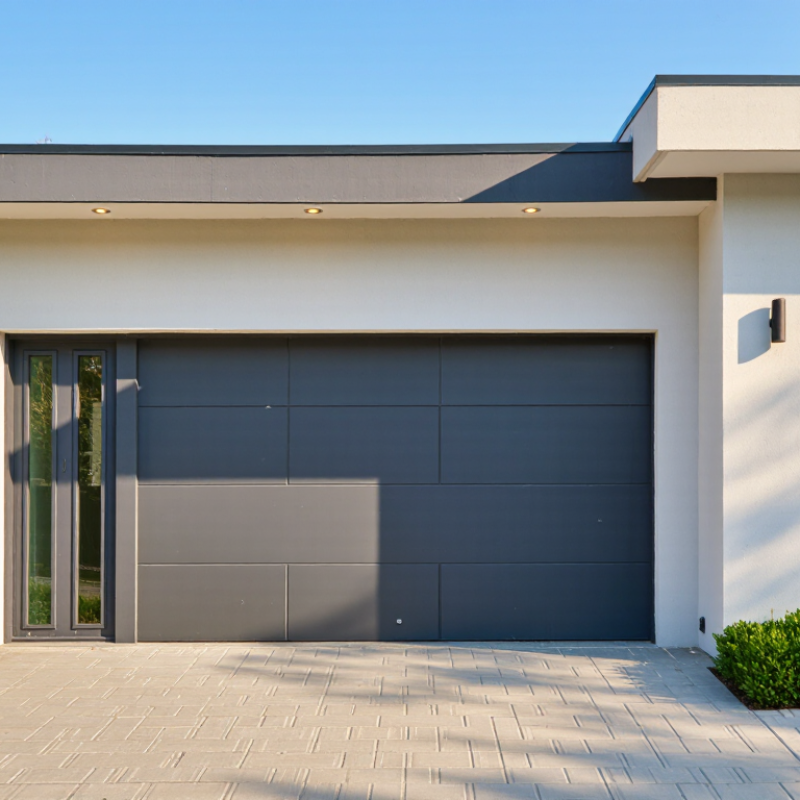
Popular Garage Door Styles Defining 2026
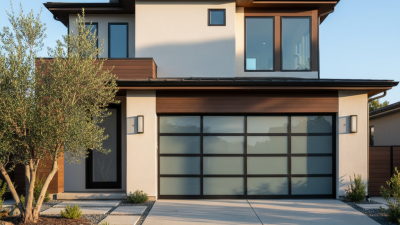
Popular garage door styles defining 2026 are less about novelty and more about controlled simplicity. Flush-panel doors remain strong in modern homes, with narrow seams and matte finishes creating a calm exterior. Their smooth faces also make cleaning easier after dusty weather. Glass-panel doors bring daylight into garages used as workshops or home gyms. Frosted glazing protects privacy, but it can still reveal shadows at night. I have found that insulated frames matter more than decorative glass in cold or hot regions. This detail is easy to overlook.
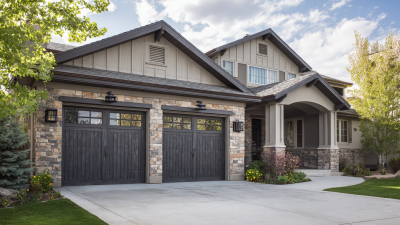
Carriage-house styles are returning with cleaner proportions and quieter hardware. Their outward-swinging appearance suits traditional homes, but modern operation keeps the daily use practical. Raised-panel doors remain dependable for homeowners who prefer familiar texture and balanced symmetry. Wood-look finishes add warmth without demanding constant staining. However, darker surfaces may absorb more heat in sunny climates. A local installer should check ventilation, spring balance, and opening clearance before recommending a style. Appearance alone is not enough.
In 2026, mixed-material doors are gaining attention. Metal frames with wood tones or glass inserts can connect a garage to the home’s windows and roofline. I once favored dramatic contrast, but some installations felt visually heavy after completion. That experience changed my approach. I now compare samples outdoors, during morning and evening light. Small differences matter. Homeowners should also consider insulation ratings, wind exposure, maintenance access, and replacement-part availability. The most attractive door can still disappoint when it rattles, fades, or wastes indoor energy.
What Are the Top Garage Door Styles for 2026? - Popular Garage Door Styles Defining 2026
| Rank | Garage Door Style | Defining Design Features | Common Materials | Typical Window Configuration | Typical Door Sizes | Best Architectural Match | 2026 Design Relevance |
|---|---|---|---|---|---|---|---|
| 1 | Contemporary Flush Panel | A clean, flat surface with minimal detailing, simple horizontal lines, and understated hardware. | Steel, aluminum, composite, or wood veneer. | Narrow horizontal windows or a single glazed section near the top. | Commonly 8–18 ft wide and 7–8 ft high for residential applications. | Modern, minimalist, industrial, and mid-century homes. | Supports the 2026 preference for uncluttered façades, dark neutral colors, and simplified exterior detailing. |
| 2 | Full-View Glass and Aluminum | Large glass panels framed by slim horizontal and vertical rails for a bright, architectural appearance. | Aluminum frames with tempered, laminated, insulated, frosted, or tinted glass. | Extensive glazing across most or all sections of the door. | Commonly 8–18 ft wide and 7–8 ft high; larger custom sizes may require structural review. | Contemporary homes, detached studios, workshops, and indoor-outdoor spaces. | Reflects demand for natural light and flexible garage spaces, while insulated or privacy glass helps improve comfort and screening. |
| 3 | Modern Carriage House | Swing-out carriage-house appearance with decorative vertical divisions, crossbuck details, or prominent handles. | Steel, engineered wood, fiberglass, or solid wood. | Small upper windows, arched windows, or divided-light designs. | Commonly 8–18 ft wide and 7–8 ft high; available as single or double doors. | Farmhouse, cottage, transitional, craftsman, and traditional exteriors. | Combines historic character with modern sectional-door operation and improved insulation options. |
| 4 | Classic Raised-Panel | Symmetrical rectangular or square panels with a familiar, balanced garage-front appearance. | Galvanized steel, fiberglass, wood, or composite materials. | One or more rows of upper-section windows, often with decorative grilles. | Commonly 8–18 ft wide and 7–8 ft high for residential garages. | Traditional, colonial, suburban, ranch, and transitional homes. | Remains a dependable choice because it offers broad compatibility, practical maintenance, and many insulation levels. |
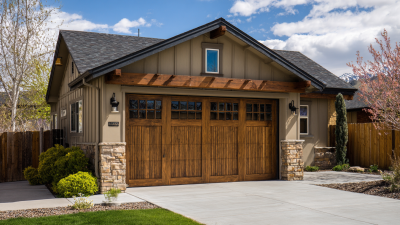
| 5 | Vertical Shiplap and Farmhouse | Vertical plank lines, restrained trim, warm finishes, and a refined barn-inspired appearance. | Wood, steel with a wood-look finish, composite, or engineered wood. | Upper-row windows, narrow vertical panes, or no windows for a stronger plank effect. | Commonly 8–18 ft wide and 7–8 ft high. | Modern farmhouse, rural contemporary, craftsman, and cottage homes. | Adds texture and visual warmth while allowing homeowners to combine natural-looking finishes with contemporary hardware. |
| 6 | Custom Wood and Mixed-Material | Natural grain, asymmetrical layouts, contrasting materials, and individually tailored panel proportions. | Cedar, redwood, engineered wood, steel, aluminum, glass, or composite accents. | Custom rectangular windows, vertical glazing, or selectively placed glass panels. | Often produced in standard 8–18 ft widths, with custom dimensions subject to opening and structural requirements. | High-end contemporary, craftsman, mountain, coastal, and architect-designed homes. | Matches the move toward personalized façades, tactile materials, and distinctive garage doors that function as major exterior features. |
Note: Door dimensions and material combinations are typical residential ranges. Exact availability, structural requirements, glazing performance, insulation values, and local building-code requirements vary by project and location.
Related Posts
-
China Top 10 Garage Door Styles for Global Buyers
-
The Future of Modern Garage Doors How Smart Technology is Revolutionizing Home Security and Energy Efficiency
-
The Best 5 Residential Garage Doors for Security and Aesthetic Appeal
-
Top Benefits of Modern Garage Doors for Your Home Style Upgrade?
-
The Impact of the 138th Canton Fair 2025 on Trends in Residential Garage Doors Industry
-
Exploring the Most Popular Garage Door Styles for Every Home Design