
What Are Residential Garage Doors and How Do They Work?
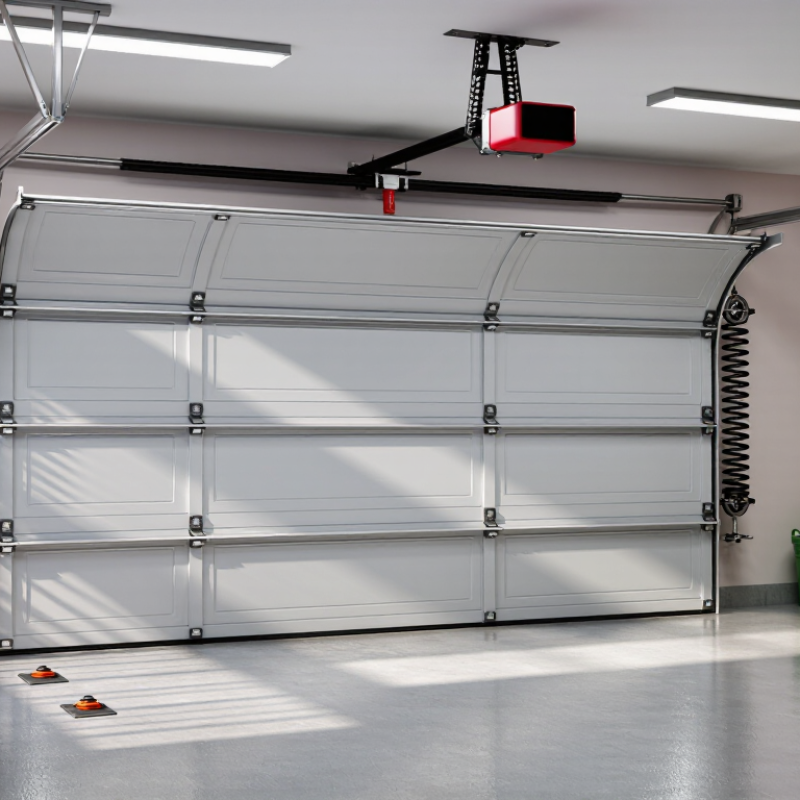
Residential garage doors are movable barriers that protect vehicles, tools, and connected living spaces. They usually include panels, hinges, rollers, tracks, springs, cables, and an opener. When the door rises, these parts work together to lift its weight and guide it overhead or beside the garage wall. The movement may seem simple. It is not.
A typical sectional door bends at its hinged panels as rollers travel along metal tracks. Torsion or extension springs counterbalance the door, while the opener controls movement through a motor, drive rail, and remote signal. Safety sensors near the floor should stop the door when an object interrupts the beam. This small feature matters.
Materials affect performance. Steel offers strength, while insulated panels can reduce heat transfer and outside noise. Glass, wood, and composite designs provide different appearances, weights, and maintenance needs. Choosing correctly depends on climate, opening size, daily use, and the garage’s structure. A professional assessment is valuable because measurements can be misleading, especially around uneven floors or older framing.
One detail is easy to overlook. A quiet door is not always a safe door. Worn cables, loose hardware, or weakened springs may remain hidden until failure occurs. Homeowners should avoid adjusting spring tension without suitable training and equipment. Regular visual checks, cleaning, and tested safety sensors can reveal early problems. Still, every installation behaves differently. Manufacturer instructions and qualified local technicians should guide repairs, inspections, and replacement decisions.
What Residential Garage Doors Are and Why They Matter
Residential garage doors are movable barriers that close the largest opening in many homes. They protect vehicles, tools, bicycles, and sometimes a direct entrance into the house. Their value extends beyond appearance. A well-fitted door can reduce drafts, limit outside noise, and support household security. It can also improve a property’s visual balance from the street.
Most residential doors travel along horizontal tracks using rollers, hinges, and lifting springs. An electric opener moves the door through a connected rail, while safety sensors detect objects near the floor. If the sensors are misaligned, the door may reverse unexpectedly. Springs carry significant weight, so trained professionals should inspect or replace them. During routine checks, technicians often find loose hardware before major damage occurs. Small problems matter.
Tips: Watch the door during operation. It should move smoothly without shaking, scraping, or sudden pauses. Test the reversing feature with a safe object, not your hands or feet. Keep tracks clear, but avoid applying random lubricant. The wrong product can collect dust. Check weather seals each season. Cracked seals waste energy and let rain, insects, and cold air enter. It is easy to focus on style and overlook balance. No garage door is maintenance-free. A short inspection every few months can reveal wear earlier.
| Dimension | Typical Residential Information | How It Works | Why It Matters |
|---|---|---|---|
| Primary Purpose | Provides controlled access to a garage while helping protect vehicles, stored items, and attached living spaces from weather and unauthorized entry. | The door opens to create a vehicle-sized passage and closes to form a physical barrier between the garage and the outside. | A garage door affects security, convenience, weather protection, appearance, and the overall usability of the home. |
| Most Common Door Type | Sectional overhead doors made from several hinged horizontal panels. | Rollers move inside vertical and horizontal tracks, allowing the panels to travel upward and then rest parallel to the garage ceiling. | Sectional doors use space efficiently and are compatible with manual operation and automatic openers. |
| Other Residential Door Types | Single-panel tilt-up doors, side-hinged doors, and roll-up doors are also used in some homes. | Single-panel doors swing outward and upward; side-hinged doors open like conventional doors; roll-up doors coil above the opening. | The available ceiling space, driveway clearance, architectural style, and intended use determine which design is suitable. |
| Common Door Widths | Approximately 8 to 20 feet for many residential installations, with 9 and 16 feet being common configurations for single- and double-car garages. | The door size is selected to match the structural opening and the number or type of vehicles using the garage. | Accurate measurements are essential for vehicle clearance, track installation, weather sealing, and opener compatibility. |
| Common Door Heights | Approximately 7 to 8 feet for many standard residential garages, although taller custom openings are available. | The vertical track and lifting system are designed around the height of the finished opening and the available space above it. | Door height influences vehicle clearance, panel selection, track layout, and the required opener configuration. |
| Typical Materials | Galvanized steel, aluminum, wood, fiberglass, and composite materials. | Materials form the door panels or frame, while hinges, rollers, tracks, springs, and brackets provide movement and support. | Material choice affects weight, durability, maintenance, appearance, corrosion resistance, and insulation performance. |
| Insulation Options | Single-layer doors may have little insulation; insulated doors commonly use polyurethane or polystyrene cores with stated R-values. | An insulated panel slows heat transfer through the door. The actual performance also depends on joints, windows, seals, and installation quality. | Insulation can improve comfort in attached garages and may reduce heat exchange between the garage and nearby rooms. |
| Counterbalance System | Most overhead residential doors use torsion springs or extension springs. | Springs store mechanical energy and offset much of the door's weight, allowing the opener or a person to move it more easily. | A properly balanced door reduces strain on the opener and supports smoother, safer operation. Springs are under high tension and should be serviced by trained professionals. |
| Tracks and Rollers | Vertical tracks guide the door beside the opening, while horizontal tracks guide it overhead. Rollers connect the panels to the tracks. | As the door opens, rollers follow the track path and transfer the panels from a vertical position to a horizontal overhead position. | Damaged, misaligned, or obstructed tracks can cause noise, uneven movement, premature wear, or unsafe operation. |
| Automatic Opener | A motorized opener typically uses a rail, trolley, drive mechanism, and wall-mounted or wireless controls. | The opener moves a trolley connected to the door arm. A limit system controls the open and closed positions. | Automation improves convenience, especially for frequent use, but it does not replace the need for a properly balanced door. |
| Safety Reversal System | Modern automatic systems generally use photoelectric safety sensors near the bottom of the opening and an automatic reversing function. | If the sensors detect an interruption or the door encounters unexpected resistance while closing, the opener is designed to stop and reverse. | Safety devices help reduce the risk of entrapment or impact. Sensors must remain aligned, clean, and unobstructed. |
| Weather Sealing | Bottom seals, perimeter weatherstripping, and panel-to-panel seals are common components. | Flexible seals close gaps around the door and reduce the entry of rain, wind, dust, insects, and outdoor air. | Effective sealing improves comfort, protects stored contents, and can help limit drafts and moisture intrusion. |
| Windows and Lighting | Windows may be installed in selected upper panels using glass or transparent synthetic materials. | Windows admit daylight while remaining part of the moving door assembly. | They can reduce the need for artificial lighting, but they may affect privacy, security, weight, insulation, and maintenance requirements. |
| Manual Operation | A properly balanced door can usually be lifted manually using an inside handle or emergency release when the opener is disengaged. | The counterbalance system supports the door, while the user supplies the remaining force needed to move it. | Manual operation is useful during power outages and can reveal balance or hardware problems if the door feels unusually heavy. |
| Typical Service Life | Many residential doors can remain functional for roughly 15 to 30 years, depending on material, climate, usage, installation, and maintenance. | Individual components, such as springs, rollers, cables, seals, and openers, may require replacement before the door panels do. | Regular inspection and timely repair can extend service life and prevent minor wear from becoming a major failure. |
| Routine Maintenance | Inspect hardware and cables, clean tracks, test safety reversal, check balance, and lubricate approved moving parts as recommended. | Maintenance keeps moving components aligned, reduces friction, and helps identify worn or damaged parts. | Preventive care supports quieter operation, improves reliability, and helps identify safety risks early. |
| Common Warning Signs | Excessive noise, jerky movement, sagging, uneven travel, visible cable damage, broken springs, or failure to reverse. | These symptoms may indicate imbalance, worn rollers, damaged tracks, failed sensors, or problems with the spring and lifting system. | A malfunctioning door can become heavy or unstable. Stop using it and arrange professional inspection when major components appear damaged. |
| Climate and Wind Considerations | Doors can be selected with corrosion-resistant finishes, improved insulation, or wind-load reinforcement where local conditions require it. | Reinforced panels, stronger hardware, and suitable anchoring help the door resist specified environmental forces. | Local building requirements and climate conditions should guide product selection, especially in areas exposed to high winds, coastal air, snow, or extreme temperatures. |
| Key Selection Factors | Opening dimensions, headroom, side clearance, door weight, insulation needs, appearance, security, climate, and budget. | Each factor affects the choice of panels, tracks, springs, opener capacity, seals, and installation method. | A correctly matched system operates more safely and efficiently than one selected only by appearance or initial price. |
Related Posts
-
Top 10 Tips for Finding the Best Garage Door Fixers Near You
-

10 Essential Tips for Choosing the Right Garage Door Panel
-
2026 Best Garage Door Fixers How Can Buyers Choose?
-
Top 5 Tips for Choosing a Garage Door Technician?
-
Best Overhead Garage Storage Solutions for Homeowners?
-

Top 10 Roll Up Door Suppliers in China You Should Know