2026 How to Choose the Best Wood Garage Door for Your Home?
When selecting a wood garage door for your home, understanding your options is crucial. Expert craftsman John McKenzie emphasizes, “A wood garage door can enhance your home's charm and durability.” Choosing the right wood garage door involves considerations from style to material quality.
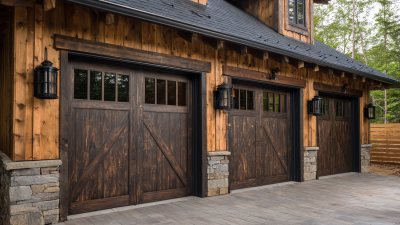
Wood garage doors come in various designs, from traditional to modern. The choice of wood affects durability and appearance. Cedar, for example, is known for its resistance to decay. However, it's essential to remember that all wood requires maintenance. Regular painting or staining helps preserve the door's beauty.
Consider the climate in your area. Extreme temperatures can warp wooden doors. Installation and insulation are also key factors. A well-installed wood garage door can improve energy efficiency but may require professional help. Reflect on your lifestyle and budget. Investing in a quality wood garage door can bring long-term value, but price differences can be significant.
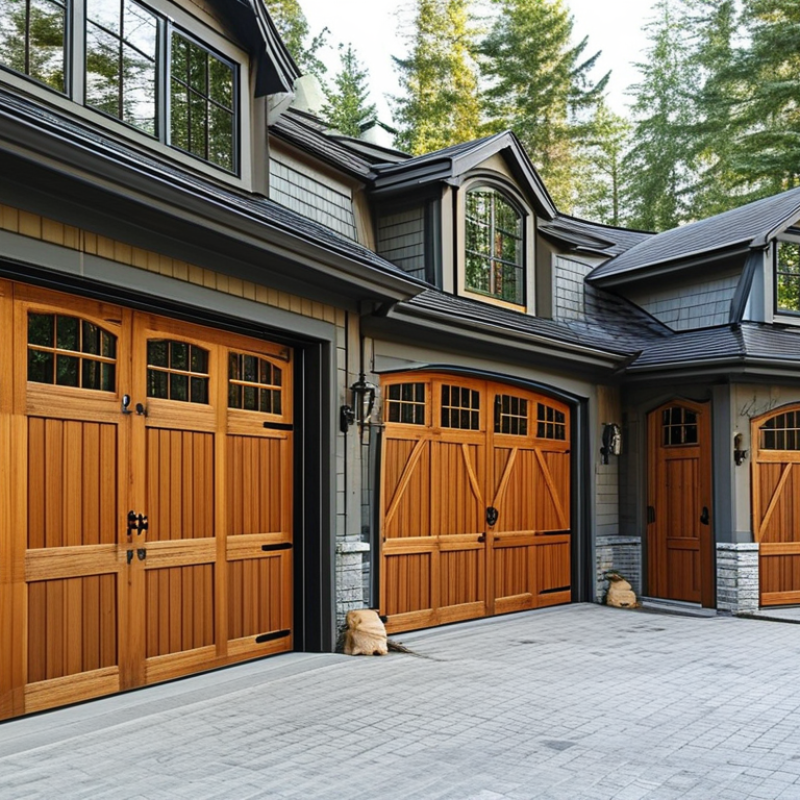
Understanding Different Types of Wood for Garage Doors
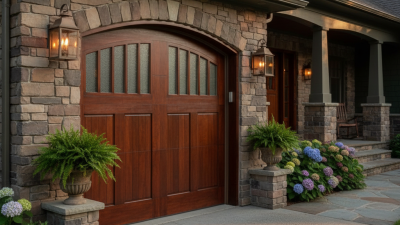
When choosing a wood garage door, understanding the types of wood is essential. Solid wood doors offer a classic look and excellent durability. Popular choices include cedar, which is naturally resistant to decay and insects. Its aromatic quality also provides added appeal. Another good option is mahogany, prized for its rich color and resistance to warping. However, solid wood can be expensive and may require more maintenance.
Engineered wood provides an alternative. It consists of several layers of wood, glued together for added strength. This type of door typically offers a more affordable price point. Additionally, it reduces the risk of warping compared to solid wood. Yet, some homeowners may wonder about its longevity and aesthetic appeal. It's worth considering the design of your home when choosing engineered wood. Look for styles that blend with your overall aesthetic.
Another aspect to consider is insulation. Some wood doors come with insulation options, enhancing energy efficiency. This is crucial for attached garages, especially in colder climates. However, not all woods insulate equally well. It’s vital to research and weigh the benefits against personal preferences. A choice made without careful consideration may lead to dissatisfaction later.
Wood Types for Garage Doors
This chart represents the popularity and durability of different wood types commonly used for garage doors. The data indicates how many homeowners prefer each type based on aesthetics and performance.
Evaluating the Aesthetic Appeal of Wood Garage Doors
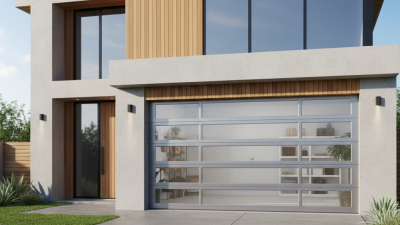
When evaluating the aesthetic appeal of wood garage doors, it's crucial to consider your home's architecture. Wood doors can enhance the visual harmony of your property. They can mimic rustic charm or modern minimalism. Color choices also play a vital role. A natural finish showcases the wood's grain, adding warmth.
Textures matter too. Smooth finishes exude elegance, while rough surfaces provide a more traditional look. Think about how these elements align with your style. However, not every wood type holds up well outdoors. Some may warp or fade over time. This consideration can impact long-term satisfaction.
Potential buyers often look at curb appeal. A well-chosen garage door can raise property value. Yet, personal taste is subjective. What feels right for one may not for another. Take time to visualize different options. Close your eyes and picture your ideal door before making a decision. Choices here demand thoughtful consideration.
Assessing Durability and Maintenance Requirements
When choosing a wood garage door, assessing durability and maintenance is crucial. Wood doors offer charm and elegance, but they require care. Different wood types exhibit varied durability. For example, cedar is naturally resistant to rot, while pine may not withstand harsh weather as well.
Maintenance demands attention. Regular sealing and painting help protect against moisture and UV damage. Homeowners might overlook these tasks, leading to warping or cracking. Checking hinges and hardware is just as critical. An often-ignored aspect, these components can rust over time, affecting door operation.
Consider climate conditions in your area. In humid regions, you may need more frequent maintenance. Additionally, budget constraints can hinder the frequency of upkeep. Investing in quality materials might offset long-term maintenance costs. Reflecting on these factors will enhance your decision-making process for a wood garage door.
Analyzing Energy Efficiency and Insulation Properties
When choosing a wood garage door, energy efficiency is crucial. A well-insulated door can dramatically reduce your energy bills. According to industry reports, insulated garage doors can offer an R-value of 10 to 20 or higher. This means they significantly minimize heat loss. A higher R-value indicates better insulation, making it essential to evaluate your options.
In addition to insulation, consider the door’s energy efficiency ratings. Many experts suggest opting for doors with thermal break technology. This feature helps reduce heat transfer and enhances insulation characteristics. The Department of Energy notes that insulated doors can save homeowners anywhere from 10% to 30% on heating costs.
Evaluate the construction materials carefully. While wood offers aesthetic appeal, not all wood doors are created equal. Look for doors with foam core insulation for maximum efficiency. They can combat temperature changes effectively. Remember that poorly constructed doors may lead to drafts, negating any benefits. Prioritize quality and consult professionals for installation. Choosing wisely can elevate your home’s comfort and energy efficiency.
2026 How to Choose the Best Wood Garage Door for Your Home? - Analyzing Energy Efficiency and Insulation Properties
| Wood Type |
R-Value |
Energy Efficiency Rating |
Durability (Years) |
Maintenance Level |
| Thermo-Engineered Wood |
16 |
High |
30+ |
Moderate |
| Western Red Cedar |
12 |
Medium |
20 |
High |
| Mahogany |
9 |
Medium |
25 |
Low |
| Oak |
10 |
Medium |
30 |
Moderate |
| Fir |
8 |
Low |
15 |
High |
Exploring Options for Customization and Design Features
When considering a wood garage door, customization plays a critical role. Different types of wood can be selected, ranging from oak to cedar. Each type offers unique characteristics and looks. For instance, cedar is naturally resistant to decay, while oak brings a classic, sturdy aesthetic. Exploring these options allows homeowners to match their door with their home's style.
Design features are also essential in customization. Homeowners can choose from different finishes, stains, and patterns. A raised panel design creates a traditional look, while a flat panel might suit modern architecture better. Windows can be added for visual interest and light, but they also need careful consideration. These small choices can significantly impact overall appearance.
Reflecting on your preferences is important. A door that looks great today might not feel right in a few years. Think about changing trends and how they fit into your long-term vision. Decisions on hardware, color, and texture should align with your home's architectural language. Each choice carries weight, and a bit of thought can lead to a door that enhances your home's curb appeal for years to come.