What is a Garage Door Panel and How to Choose the Right One?
A garage door panel plays a crucial role in the functionality and aesthetics of your garage door. Understanding its significance can help homeowners make informed decisions. With various styles and materials available, selecting the right garage door panel is essential for both durability and design. This decision impacts not only your home’s curb appeal but also its security and energy efficiency.
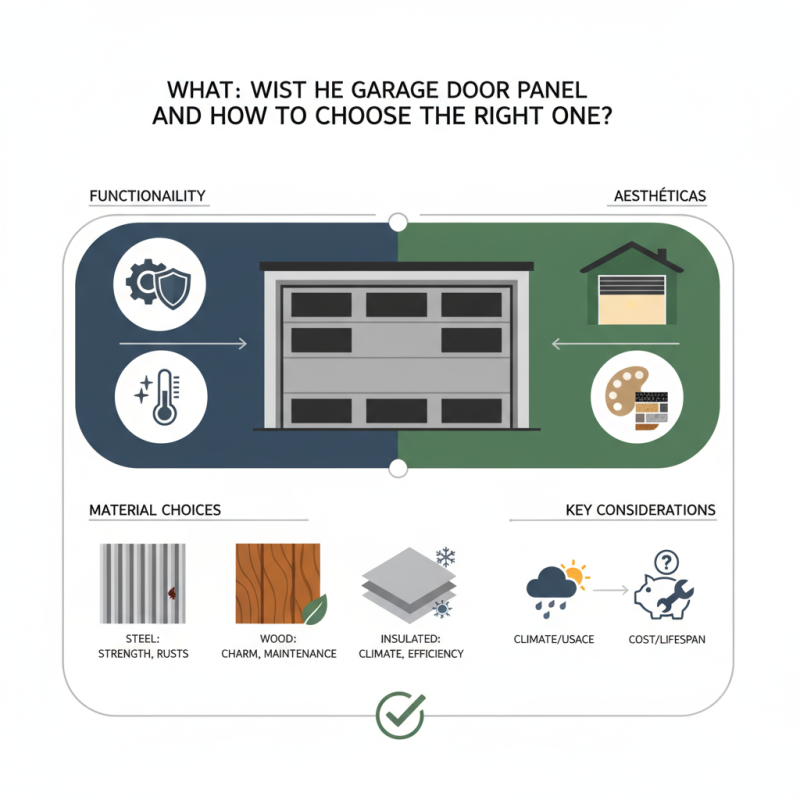
When choosing a garage door panel, consider factors like material, insulation, and design. Each material comes with its advantages and disadvantages. For instance, steel panels offer strength but can rust over time. Wood panels provide charm, yet require maintenance to prevent warping. These factors should influence your selection.
Choosing the right garage door panel is not always straightforward. Misjudgments can lead to costly mistakes. Reflecting on your specific needs, such as climate and usage, will guide your choice. A garage door panel that suits your lifestyle will serve you better and stand the test of time.
Understanding Garage Door Panels and Their Functionality
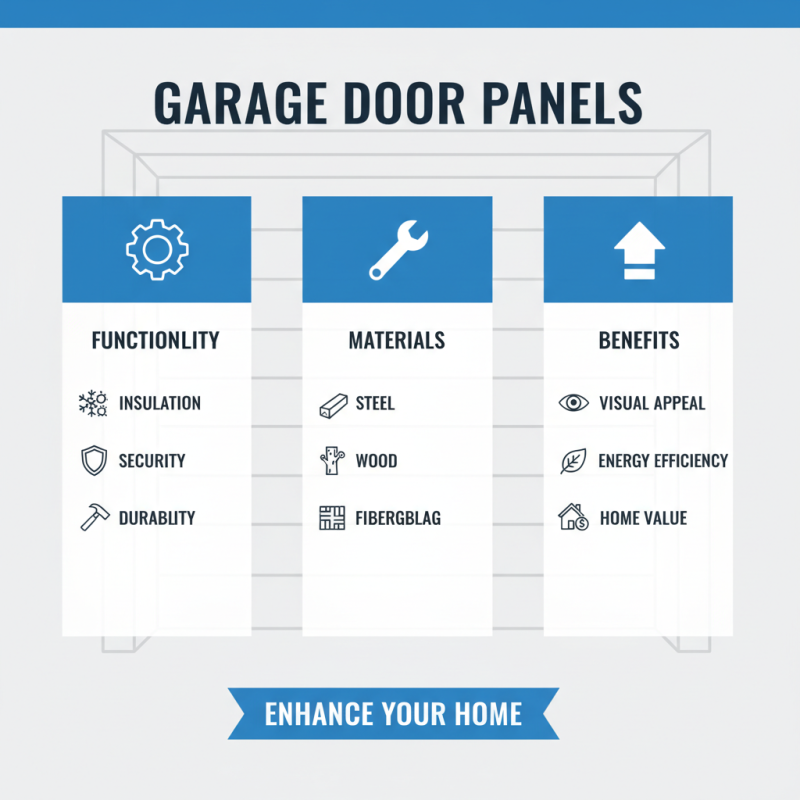
Garage door panels play a crucial role in the functionality and aesthetics of your garage door system. They provide insulation, security, and visual appeal while contributing to the overall durability of the door. Each panel usually consists of materials like steel, wood, or fiberglass, shaping the door's strength and energy efficiency. A well-chosen panel can enhance the look of your home and increase its value.
When selecting a garage door panel, you should consider the climate in your area. Insulated panels can help in extreme temperatures, reducing energy costs. If you’re in a coastal region, you might need a corrosion-resistant option. Pay attention to panel thickness; thicker panels offer better durability and insulation.
Tips: Always examine the warranty of the panels. A good warranty indicates the manufacturer’s confidence in their product. Also, explore different styles and finishes to complement your home’s design. Remember, sometimes panels might come with manufacturing defects. Inspect them closely before installation to avoid future issues. Small details can make a big difference.
Types of Garage Door Panels and Their Benefits
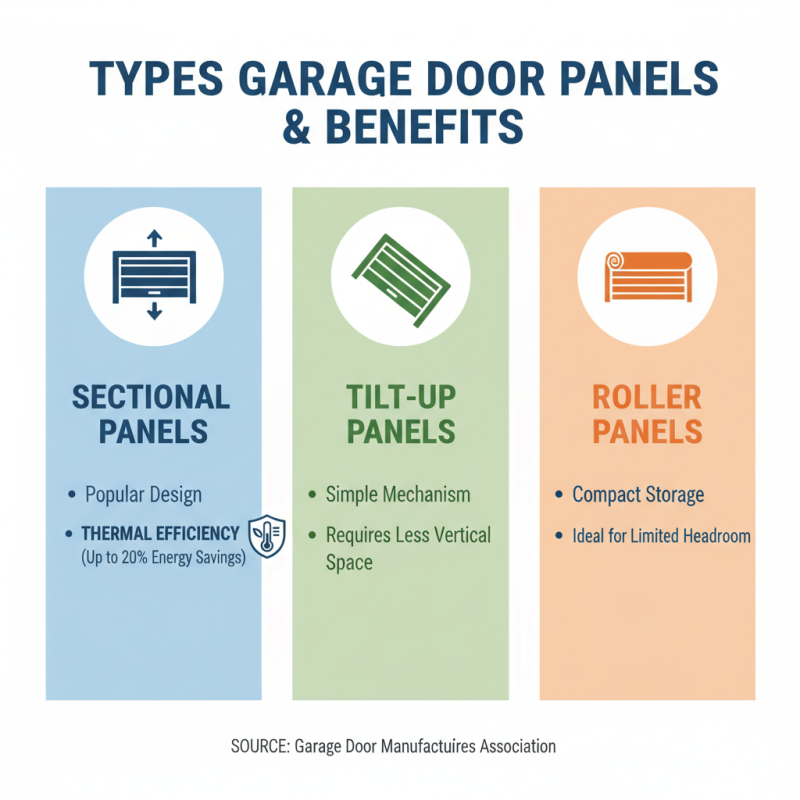
When choosing the right garage door panel, understanding the types available is crucial. There are three primary types: sectional, tilt-up, and roller panels. Sectional panels are popular due to their design and thermal efficiency. According to the Garage Door Manufacturers Association, insulated panels can improve energy efficiency by up to 20%.
Tilt-up panels have a simpler mechanism and are easier to install. They provide good durability, but their design might not fit all homes. Roller panels are typically used in tight spaces. Their compact design makes them ideal for small garages but may not provide the same level of insulation. Each type comes with distinct benefits suited to different needs.
In selecting a garage door panel, consider your climate, garage usage, and aesthetics. An inappropriate choice might lead to energy inefficiency or damage. Many panels come in various materials like steel and wood, impacting maintenance and longevity. It’s essential to weigh these factors carefully in your decision-making process.
Key Factors to Consider When Choosing a Garage Door Panel
When selecting a garage door panel, several key factors come into play. Material is crucial; options include steel, wood, and fiberglass. Steel panels are known for their durability, while wood provides aesthetic charm. According to a 2022 industry report, steel doors can last up to 15 years with proper maintenance, highlighting their long-term value.
Insulation also plays a pivotal role. An insulated panel can improve energy efficiency significantly. It can reduce heating and cooling costs by 20% or more, especially in extreme climates. If you live in a region with fluctuating temperatures, this aspect should not be overlooked.
Consider the design and style too. The right panel complements your home’s architecture. A poorly chosen panel can detract from your property’s curb appeal. Industry experts note that homes with attractive garage doors see a return on investment of around 90% when it comes to resale value. Balancing aesthetics and functionality is essential in making your selection.
Materials Used in Garage Door Panels: A Comparative Overview
Garage door panels come in various materials, each with distinct advantages and drawbacks. Understanding these materials aids in making informed decisions. Wood, steel, aluminum, and fiberglass are commonly used for garage door panels. Each has a unique aesthetic appeal and performance characteristics.
Wood panels provide excellent insulation but require regular maintenance. They are prone to rot and warping, particularly in humid climates. Steel panels are durable and cost-effective but may rust without proper coating. According to the International Door Association, steel doors can last a lifetime with routine upkeep. Aluminum is lightweight and resistant to corrosion but offers less insulation. Fiberglass panels mimic wood's appearance while being low maintenance but can be prone to cracking.
Tips: Consider climate when choosing material. In wetter areas, opt for rust-resistant options. Assess your home's architecture to ensure style cohesion. Remember, your choice impacts energy efficiency. If insulation matters, prioritize materials with better thermal performance. Always consult industry reports for detailed insights before making a final decision.
What is a Garage Door Panel and How to Choose the Right One? - Materials Used in Garage Door Panels: A Comparative Overview
| Material |
Durability |
Insulation |
Maintenance |
Cost |
| Steel |
High |
Moderate |
Low |
$$ |
| Aluminum |
Moderate |
Low |
Very Low |
$$$ |
| Wood |
High |
High |
Moderate |
$$$$ |
| Fiberglass |
Moderate |
High |
Low |
$$$ |
| Vinyl |
High |
Moderate |
Very Low |
$$ |
Maintenance Tips for Prolonging the Life of Your Garage Door Panel
Maintaining your garage door panel is crucial for its longevity. Regular upkeep can save you time and money. Inspect your garage door frequently for signs of wear. Rust or dents can indicate that repairs are needed. Addressing issues early can prevent costly replacements.
One effective tip is to lubricate the moving parts. Use a silicone-based lubricant for the best results. This reduces friction and helps the door function smoothly. A well-lubricated door operates quietly and efficiently. Don't forget to clean the panel regularly to remove dirt or debris. A clean surface not only looks better but also prevents corrosion.
Check the seals around your garage door. They help to keep your home insulated and pest-free. If you notice cracks or wear, replace them promptly. This isn't just about aesthetics; it also enhances energy efficiency. Neglecting these simple tasks could lead to bigger problems later. Remember, proactive maintenance is key to prolonging the life of your garage door panel.
Garage Door Panel Durability Ratings
This chart illustrates the durability ratings of different types of garage door panels. The ratings are on a scale from 1 to 10, with steel panels typically offering the highest durability and vinyl panels the lowest. Understanding these ratings can help in choosing the right garage door panel for your needs.