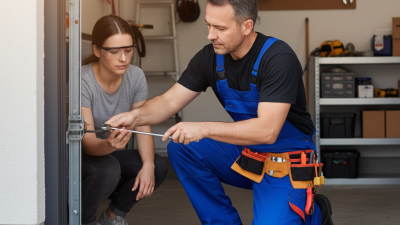
Top 10 Garage Door Maintenance Tips for Longevity
Garage doors are crucial for the security and functionality of your home. However, they often get overlooked in routine maintenance checks. According to a report by the International Door Association, regular garage door maintenance can extend the life of your door by 30%. This statistic emphasizes the importance of proactive care.
Expert Bob Ferron, a leading figure in garage door maintenance, notes, "Preventative care today can save you big repairs tomorrow." His insights reflect a growing awareness among homeowners about proper upkeep. Simple tasks like checking the springs and lubricating moving parts can prevent major issues.
Ignoring these aspects can lead to costly repairs. Many homeowners underestimate the complexity of their garage door systems. A lack of attention often results in premature wear and tear. Thus, setting a routine schedule for garage door maintenance is essential to avoid unexpected breakdowns.
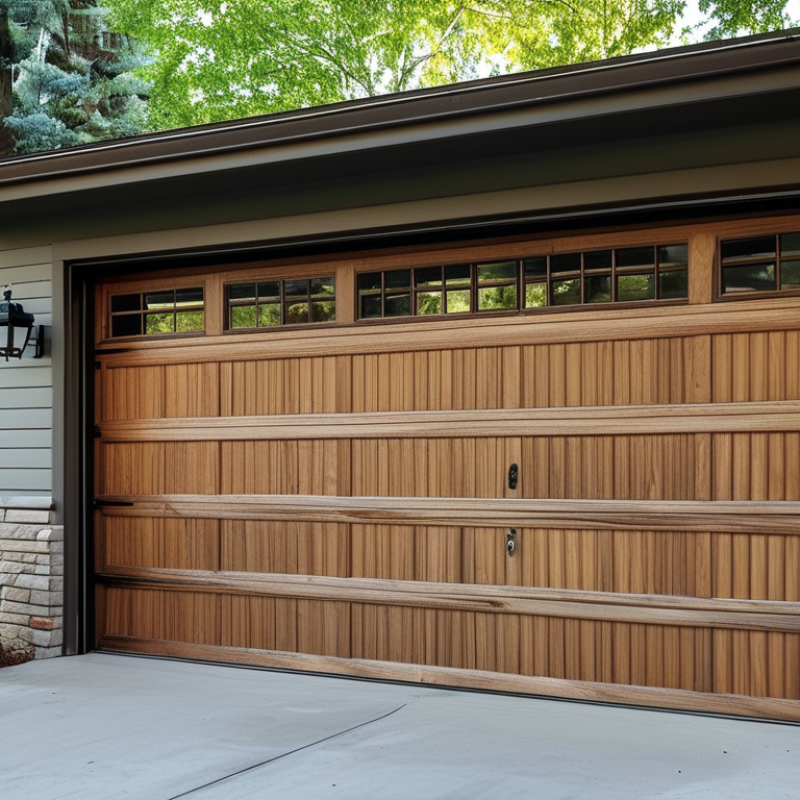
Importance of Regular Garage Door Inspections for Safety and Longevity
Regular garage door inspections are essential for both safety and longevity. A garage door is a significant moving part of your home, and neglecting it could lead to safety hazards. Cracks or misalignments can pose risks. Regularly checking the door’s balance can help prevent wear and tear on the opener and track.
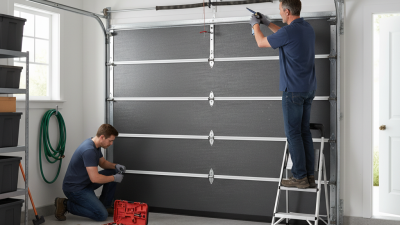
One effective tip is to inspect the cables and springs. These components experience significant stress and can degrade over time. Look for signs of fraying or rust. If they appear worn, consider a professional inspection. Lubricating the moving parts is another crucial tip. A little grease can go a long way in ensuring smooth operation and reducing friction.
Finally, remember to check the safety features. Test the auto-reverse function regularly. A door that doesn’t reverse can cause injuries. Reflect on whether you have been diligent about these checks. Small lapses can turn into larger issues. Maintaining awareness is vital for both functionality and safety.
Top 10 Garage Door Maintenance Tips for Longevity
Understanding the Common Causes of Garage Door Wear and Tear
Garage doors are essential for home security and convenience. However, they can wear down over time due to various factors. One common cause is lack of lubrication. When parts like springs and rollers are dry, they create friction. This can lead to damage and increased wear. Regularly applying silicone-based lubricant can help prolong their lifespan.
Another issue is misalignment. Garage door tracks can bend or shift from severe weather or impacts. Poor alignment can cause the door to jam or move unevenly. It’s crucial to visually inspect the tracks for any noticeable variations. If issues are found, realigning the tracks may be necessary.
Finally, accumulated debris can also contribute to wear and tear. Dirt and grime can interfere with door operation. Cleaning the tracks and rollers regularly can prevent this buildup. Addressing these common issues can reduce the frequency of repairs and extend the door's life. Regular maintenance pays off in the long run and saves you from costly replacements.
Essential Tools and Products for Effective Garage Door Maintenance
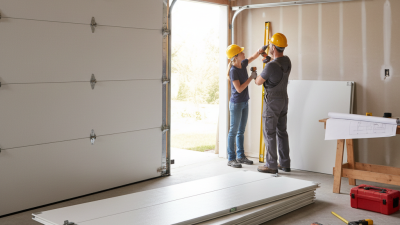
When it comes to maintaining your garage door, having the right tools is essential. A reliable set of tools can make a world of difference. Start with a basic toolkit that includes screwdrivers, pliers, and a socket set. These tools allow you to tighten loose screws and adjust hardware easily. A ladder is also crucial for reaching high components, ensuring you don’t miss any important maintenance spots.
Regular lubrication is vital for smooth operation. Use garage door-specific lubricants to ensure all moving parts function seamlessly. Apply it to the rollers, hinges, and springs. Avoid over-spraying, as excess lubricant can attract dirt. A clean garage door is also important. Every few months, wipe down the door with a mild soap solution. This prevents rust and decay, enhancing its longevity.
Don't forget to check the safety features. Test the auto-reverse feature regularly. This is crucial for preventing accidents. A simple alignment of the sensors can save you from potential problems down the road. While it might feel tedious, these maintenance tasks can extend the life of your garage door significantly.
Top 10 Garage Door Maintenance Tips for Longevity
| Tip Number |
Maintenance Tip |
Tools Required |
Frequency |
| 1 |
Lubricate Moving Parts |
Garage door lubricant |
Every 6 months |
| 2 |
Inspect Cables and Springs |
Visual inspection tools |
Annually |
| 3 |
Check Rollers and Track Alignment |
Level and alignment tools |
Every 6 months |
| 4 |
Test Safety Sensors |
Manual testing |
Monthly |
| 5 |
Inspect Weather Stripping |
Replacement strips |
Annually |
| 6 |
Clear Debris from Track |
Brush or vacuum |
Monthly |
| 7 |
Tighten Hardware and Bolts |
Socket wrench |
Every 3 months |
| 8 |
Replace Broken Parts |
Replacement parts |
As needed |
| 9 |
Balance the Door |
Leveling tools |
Annually |
| 10 |
Clean the Garage Door Surface |
Mild detergent and cloth |
Every 6 months |
How Weather Conditions Affect Garage Door Performance and Lifespan
Weather conditions play a critical role in the performance and lifespan of garage doors. Extreme temperatures can cause materials to expand or contract, leading to misalignment and damage. For instance, a report from the International Door Association indicates that thermal changes can reduce a door's lifespan by up to 20%. Regular inspections during seasonal transitions can help identify problems early.
Humidity is another factor. High moisture levels can lead to rust in metal parts. A study by the National Association of Home Builders found that doors in humid climates require maintenance twice as often as those in arid areas. Homeowners need to check for signs of corrosion frequently. This maintenance might feel mundane, but addressing rust early can prevent costly replacements.
Unexpected weather events, like heavy snow or rain, can stress garage doors. Snow accumulation can add weight, causing strain on the opener. A study by the Garage Door Alliance states that 30% of garage doors fail due to improper response to weather. Reflecting on these insights, homeowners should ensure their doors are prepared for changing conditions. Regular oiling of hinges and checking seals can make a significant difference in longevity.
Professional Garage Door Services: When to Call for Expert Help
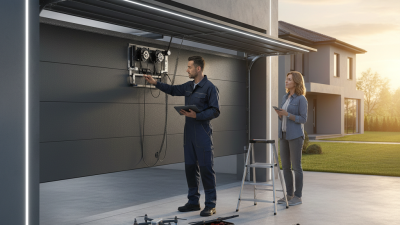
Garage doors are essential for home security and convenience. However, they often require professional attention to ensure optimal performance. Not every issue is solvable with basic DIY fixes. Some problems indicate serious underlying issues that need expert intervention.
Listen for unusual sounds when operating your garage door. Grinding or squeaking noises often signal a need for lubrication or even part replacement. If the door struggles to open or close, it may involve misaligned tracks or worn-out springs. These issues are best handled by professionals. Ignoring these signs can lead to more significant damage, impacting the door's lifespan.
Regular maintenance can prevent many problems. However, when things go wrong, knowing when to call for help is crucial. Professionals bring expertise and specialized tools to diagnose issues accurately. Attempting to fix everything on your own can sometimes worsen the situation. Trusting skilled technicians saves time and money in the long run.