How to Fix Your Garage Door Efficiently and Safely?
When your garage door malfunctions, frustration can set in quickly. Not only does it disrupt your routine, but it can also pose safety issues. Learning how to perform a garage fix efficiently can save you time and money.
A well-functioning garage door is essential for daily convenience. It ensures security for your vehicle and belongings. Many homeowners overlook basic maintenance until problems arise. Often, simple fixes can resolve complex issues. However, attempting repairs without proper knowledge can lead to mistakes and accidents.
Understanding the mechanics of your garage door can empower you. Routine checks on cables and springs can prevent significant breakdowns. Don’t dismiss minor noises; they might indicate larger issues. If you're unsure, seeking professional help is a wise choice. This blend of DIY awareness and caution in repairs can lead to a more effective garage fix.
Identifying Common Garage Door Problems and Their Causes
Garage doors might seem simple, but they can have many issues. One common problem is noisy operation. This often results from loose hardware or lack of lubrication. Noticing the noise is easy, but fixing it is often neglected. Regular maintenance helps, yet it’s frequently forgotten.
Another issue is misalignment. Doors can get warped over time, causing them to stick or not close properly. This misalignment might go unnoticed until it leads to bigger problems. Make it a habit to visually inspect your garage door regularly. Addressing issues early on can save time and money.
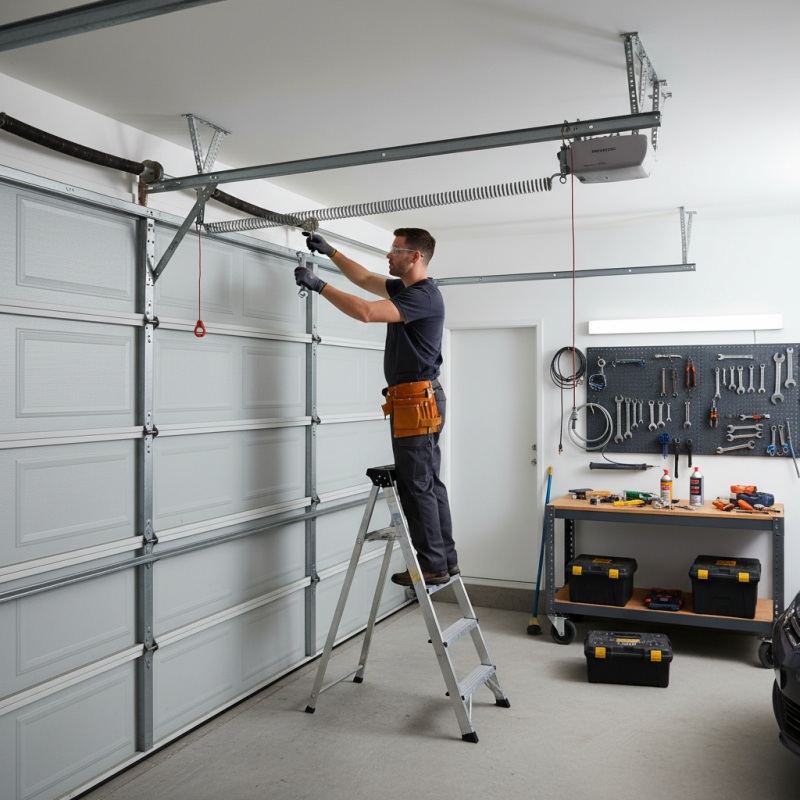
Finally, check the cables and springs. They wear out over time and can be dangerous. If the cables fray or springs break, it’s crucial to seek professional help. These components are essential and must be handled with care. Ignoring them can lead to accidents or more damage. Be aware and proactive for your safety and efficiency.
Essential Safety Precautions Before Garage Door Repairs
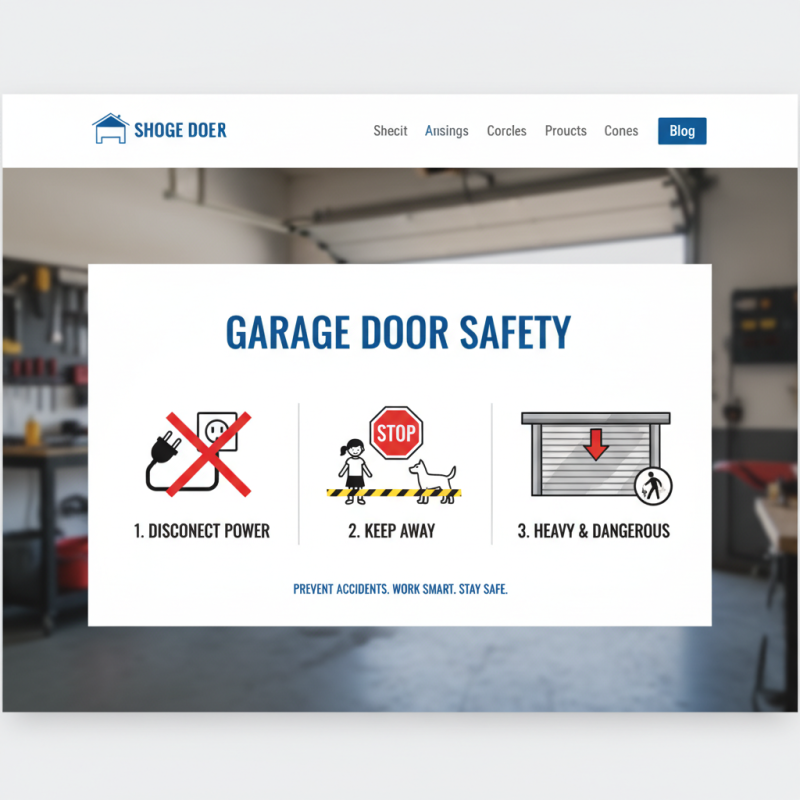
Before getting to the tools and repairs, let’s talk about safety. Garage doors are heavy and can cause serious injuries. Make sure to disconnect the power. This prevents the door from moving unexpectedly. Keep children and pets away from the workspace.
Check for loose parts. Sometimes, a simple screw can cause big problems. Use proper protective gear, such as gloves and goggles. Faulty springs can snap. They are dangerous and can lead to accidents, so handle them with care.
Tip: Keep a first aid kit nearby. Accidents happen, even when you're cautious. If you feel unsure about a repair, don’t hesitate to call a professional. It’s better to be safe than sorry. Your safety is priority number one.
Step-by-Step Guide to Troubleshooting Garage Door Issues
Garage doors often face several common issues. Identifying the problem is key to fixing it efficiently. Start by listening for unusual noises when operating the door. Grinding or squeaking sounds indicate that the rollers may need lubrication.
Tips: Regularly check the tracks and clean them. This can prevent buildup that leads to issues. Look for misaligned tracks as well. They can hinder the door's movement.
Next, inspect the remote and wall switches. If the garage door fails to respond, the problem might be with the power supply. Ensure that the opener is plugged in. Check for any blown fuses or tripped circuits. Sometimes, even new batteries can be the issue.
Tips: Keep a spare set of batteries nearby. This ensures you’re never caught off guard. Also, examine the safety sensors at the bottom of the door. Dust or obstructions can cause the door to not close properly and can be fixed easily with a quick wipe.
Tools and Materials Needed for Garage Door Repairs
When tackling garage door repairs, having the right tools and materials is crucial. A basic toolkit can make the process smoother. Start with a sturdy toolbox to hold your essentials. A screwdriver set, both flathead and Phillips, is vital for screw adjustments.
Pliers help grip and turn various components. A tape measure ensures precise measurements for parts replacement.
Additionally, consider acquiring a level to guarantee the door operates evenly. Fasteners such as screws and bolts will be needed for securing components. You might require lubricant to maintain smooth operation. Often, a simple silicone spray suffices. Safety should always come first; wearing gloves and safety goggles is wise when dealing with machinery.
A ladder is indispensable for reaching higher parts of the door. However, not everyone is comfortable using one. It's a good idea to inspect your ladder for stability before climbing. Remember, DIY repairs can feel rewarding but can also lead to errors. Double-check all connections and measurements to avoid mishaps. A little planning and the right tools can simplify your garage door repair process.
When to Call a Professional for Garage Door Assistance
When considering garage door repairs, knowing when to call a professional is crucial. According to a report by the International Door Association, nearly 10% of DIY garage door tasks result in further damage. This is often due to improper handling or lack of knowledge. If your garage door is making strange noises or not opening smoothly, it might be time to seek help.
**Tips:** If you notice the door is off its tracks, don’t attempt to fix it yourself. This can lead to injuries. Professionals have the right tools and experience to handle such situations safely. Research shows that timely intervention can save homeowners up to 50% on replacement costs.
Additionally, be cautious of springs and cables. These components are under high tension and can be dangerous if mishandled. A survey from the Door & Access Systems Manufacturers Association indicates that over 60% of severe injuries happen during DIY repairs. Knowing your limits is essential. If a repair feels too complicated, it often is.
Remember, safety should always come first. If the problem persists, contact a trained technician. They can evaluate and fix issues effectively without risking further damage. A well-functioning garage door increases home security and peace of mind.