How to Fix a Garage Door That Won't Open or Close Properly
When faced with a malfunctioning garage door that won't open or close properly, the frustration can quickly escalate. A garage door is an essential component of home security and everyday convenience. Understanding how to perform a garage door fix is not only useful but can save time and money often spent on professional repairs. Whether the issue stems from a misaligned track, damaged sensors, or a faulty opener, identifying the problem is the first step toward restoring your garage door's functionality.
In this guide, we will explore common reasons why a garage door may fail to operate as intended and provide practical solutions to address these issues. We will cover troubleshooting techniques and simple repairs that homeowners can undertake to get their garage door back on track. By equipping yourself with the right knowledge and tools, you can confidently tackle a garage door fix and enhance the safety and accessibility of your home.
Identify Common Symptoms of Garage Door Issues
Garage doors can be finicky, and recognizing the signs of trouble can help prevent further damage or safety hazards.
Common symptoms of garage door issues include unusual noises, slow opening or closing, and doors that get stuck mid-operation.
Listening for creaks or grinding sounds can indicate that the door’s components, such as the rollers or springs, may require lubrication or adjustment.
If the door hesitates or operates sluggishly, this could signify a problem with the opener or a misalignment in the tracks.
Tip: Regularly inspect the garage door tracks to ensure they are clear of debris and correctly aligned. A simple cleaning routine can make a significant difference in how smoothly your door operates. Additionally, test the auto-reverse feature of the door regularly to ensure it works properly, as this is crucial for safety.
Another symptom to watch for is uneven closing; if one side of the door appears to be dropping or not closing all the way, this could indicate worn-out springs or issues with the cables.
Maintaining a consistent check on these parts can extend the lifespan of your garage door system.
Tip: Keep all moving parts well-lubricated and schedule regular maintenance to detect early signs of wear. This proactive approach not only enhances performance but also ensures safety for you and your family.
Inspect the Garage Door Mechanism for Visible Problems
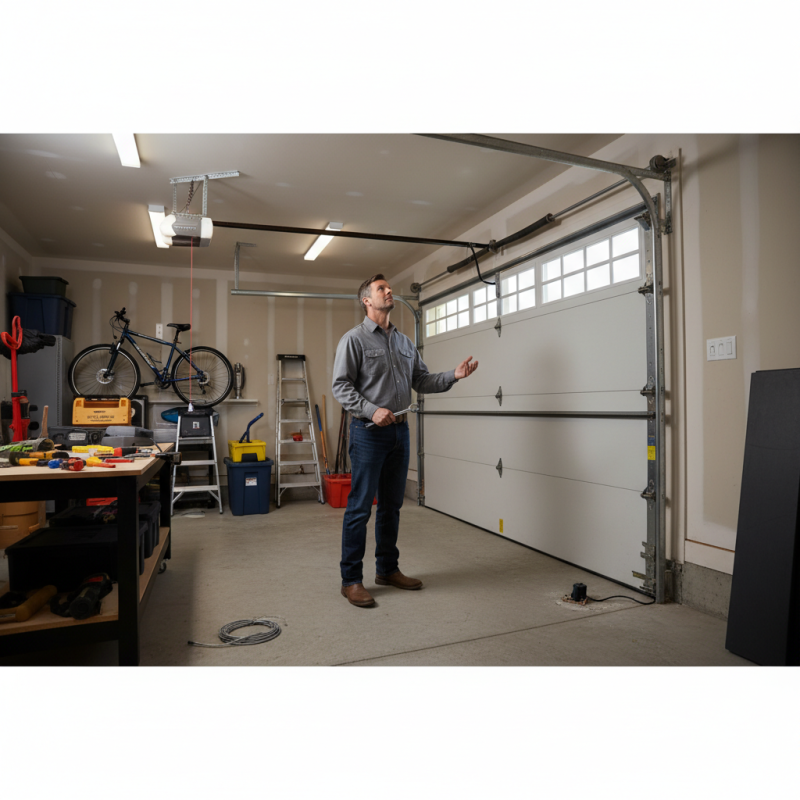
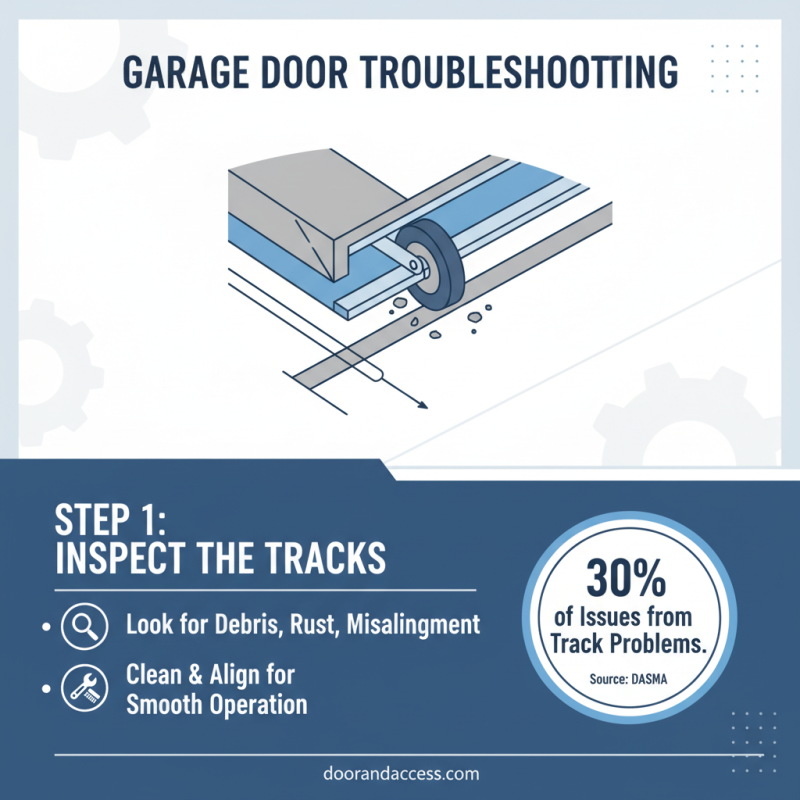
When a garage door refuses to open or close properly, the first step is to inspect the garage door mechanism for any visible problems. Begin by examining the tracks that guide the door. Look for debris, rust, or any misalignment that could obstruct movement. According to the Door and Access Systems Manufacturers Association (DASMA), nearly 30% of garage door issues are attributed to track misalignments or obstructions. Keeping the tracks clean and aligned can significantly reduce operational issues.
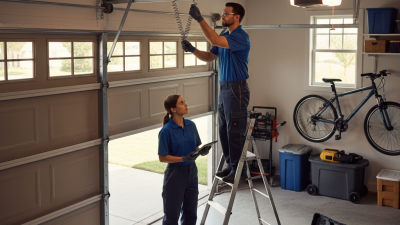
Another area to inspect is the rollers and springs. The rollers should move smoothly along the tracks, while the springs provide the necessary tension for opening and closing. A study by the International Door Association indicates that regular maintenance and inspection of these components can extend their lifespan by over 50%. If you notice any signs of wear or rust, it may be time for replacement.
**Tips:**
1. Periodically check the garage door opener's cables for fraying or damage, as worn cables can lead to malfunction.
2. Lubricate the moving parts every six months with a silicone-based lubricant to ensure smooth operation.
3. Test the door's balance by disconnecting the opener and manually lifting the door halfway; it should remain in place without your assistance.
Check and Adjust Garage Door Sensors and Safety Features
When faced with a garage door that refuses to open or close properly, the first step is to inspect the garage door sensors. These sensors are essential safety features designed to detect obstacles in the path of the door, ensuring that it operates safely. Start by cleaning the sensor lenses, as dirt or obstructions can impede their functionality. Ensure that the sensors are aligned correctly; they should face each other directly without any misalignment. If one of the sensors is blinking or the indicator lights are off, that could signal misalignment or malfunction.
Adjusting these sensors can often resolve the problem. If the sensors are misaligned, gently reposition them until the indicator lights are steady. In some cases, the wiring may be damaged; inspect the wires for any signs of wear or breakage and repair them as needed. Finally, test the door function after making adjustments. If the door opens and closes smoothly, the issue may have been resolved. If the problem persists, deeper issues may lie within the garage door mechanism, requiring further inspection or professional assistance.
How to Fix a Garage Door That Won't Open or Close Properly - Check and Adjust Garage Door Sensors and Safety Features
| Issue |
Possible Causes |
Solutions |
| Garage door doesn't open |
Sensor misalignment, power issue, or broken springs |
Check and realign sensors, ensure power supply, inspect springs |
| Garage door closes then opens again |
Obstructed sensor, faulty wiring, or dirty sensors |
Clear sensor path, check wiring, clean sensors |
| Garage door opens but doesn't close |
Safety sensor issues, remote control malfunctions |
Test remote, check safety sensors alignment and functionality |
| Garage door operates slowly |
Lubrication needed, or mechanical issues |
Lubricate moving parts, inspect for wear and tear |
| Garage door makes noise while operating |
Worn rollers, unbalanced door |
Replace rollers, check balance and adjust springs |
Examine Power Source and Remote Control Functionality
When your garage door refuses to open or close properly, one of the first things to check is the power source. Ensure the garage door opener is plugged in and that the outlet is functioning correctly. If your opener is connected to a surge protector, confirm that it hasn’t tripped. A blown fuse or tripped circuit breaker can also disrupt power supply. Examine the wiring for any visible damage or loose connections that may affect the operation of the opener. Addressing these power-related issues is essential before moving on to other potential causes.
In addition to checking the power source, the remote control functionality plays a crucial role in the operation of your garage door. Start by replacing the batteries in your remote; weak or dead batteries can prevent it from transmitting signals to the opener. If replacing the batteries doesn’t work, ensure that the remote is programmed correctly. Sometimes, the remote can lose its connection to the opener and require reprogramming. Additionally, check for any interference from nearby electronics or physical obstructions that could hinder the signal. By systematically examining these aspects, you can often resolve issues with your garage door’s operation efficiently.
Perform Regular Maintenance to Prevent Future Issues
Regular maintenance is essential to ensure that your garage door operates smoothly and effectively. One of the most crucial steps in this maintenance process is to inspect the door’s components regularly. This includes checking the tracks for any debris, lubricating the hinges, and ensuring that the springs and cables are in good condition. By addressing small issues before they escalate, you can prevent more significant problems that could result in costly repairs or replacement.
In addition to visual inspections, you should also test the automated mechanisms of the door periodically. This includes watching for any unusual noises when the door opens or closes and ensuring that the safety sensors are functioning properly. Adjusting the force settings of the opener can also prevent the door from getting stuck or reversing unexpectedly. By performing these checks and addressing any anomalies promptly, you will not only enhance the longevity of your garage door but also improve the overall safety and security of your home. Consistent maintenance can save time and money in the long run, allowing you to enjoy hassle-free access to your garage.
Garage Door Functionality Issues and Maintenance Frequency