A garage door often seems simple until it stops halfway, scrapes against the track, or refuses to close before work. The problem may involve a worn spring, a misaligned sensor, or an opener that needs careful diagnosis. These parts can be heavy and under tension, so guessing at the cause is not a good repair plan. A qualified garage door technician should explain what they found, describe the proposed work, and answer reasonable questions without pressuring you.
Finding someone reliable takes more than choosing the first nearby listing. Check recent customer feedback, confirm the technician works on your door type, and ask whether the estimate covers parts, labor, and any follow-up visit. A clear answer is a useful sign. So is a willingness to explain why a repair is needed, rather than simply recommending a full replacement. Look for details you can verify, such as a business address, written estimate, and documented warranty terms.
Price still matters, of course, but the lowest quote may leave important work unclear. A polished website is not proof of careful service either. Those details can be easy to overlook when a door is stuck and the car is trapped inside. Take a breath. This guide outlines practical ways to compare technicians, assess their communication, and spot warning signs before agreeing to repairs. No checklist can guarantee a perfect experience, and that deserves saying plainly. But a few focused questions can help you make a more informed choice.
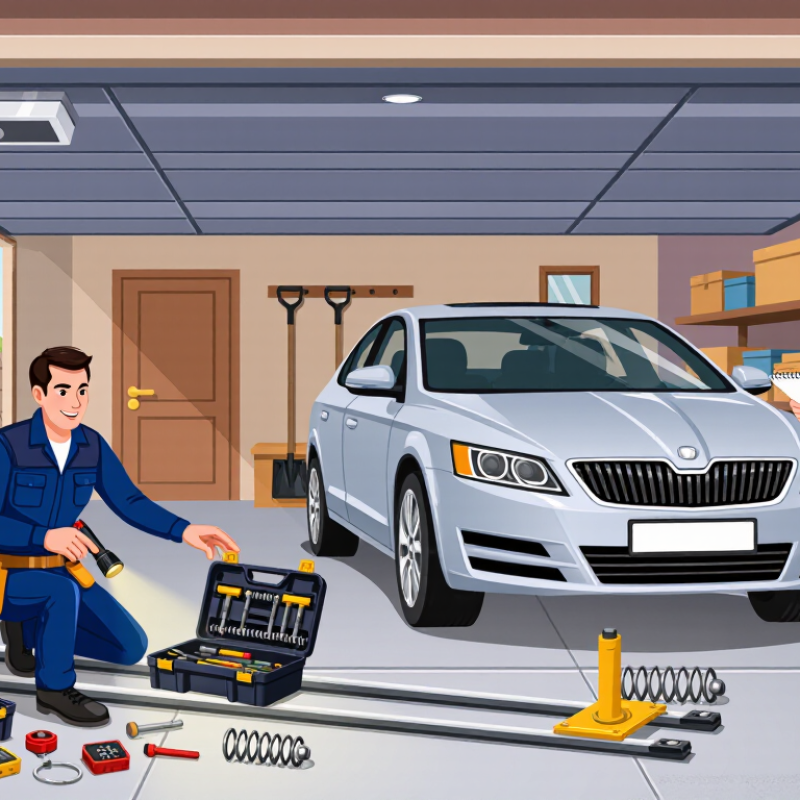
A reliable service call begins with a clear description of the problem. Note whether the door stalls, reverses, moves unevenly, or makes a sharp bang. Watch one operating cycle from a safe distance. Does one side rise first? Does the opener hum while the door stays still? Small details help distinguish a track obstruction, opener fault, worn roller, or broken spring. Start with the symptoms. Do not touch cables or springs; they remain under high tension.
Share the door’s age, recent repairs, and how often it is used. DASMA, the Door & Access Systems Manufacturers Association, cites 10,000 cycles as a common rating for standard residential springs. One cycle is one opening and closing, so a busy household may reach that rating sooner than expected. It is a reference point, not a guaranteed replacement date. A technician should inspect the full system before recommending parts.
Ask whether the quoted service covers diagnosis, labor, parts, and safety testing. For example, a door that reverses near the floor may need sensor alignment, but damaged wiring or an uneven track can produce similar symptoms. A quick guess can miss the real fault. I would ask the technician to explain what they observed, even if the explanation feels obvious, and to identify any safety issue that needs attention now.
A garage door technician handles heavy panels, cables, and tightly wound springs. Ask for the technician’s license number, then confirm it with the relevant state or local licensing authority. Requirements differ by location. Request proof of general liability insurance and workers’ compensation coverage, and check that the policy is current. A photo of a certificate is useful, but confirming coverage with the insurer is stronger.
The U.S. Bureau of Labor Statistics recorded 5,283 fatal work injuries across all occupations in 2023; this figure is not specific to garage-door work. Still, it shows why safety credentials and coverage deserve attention. Ask whether the technician has relevant safety training and experience with your door’s spring system. A polished estimate is not proof of competence. I have found that callers sometimes skip these checks because the door is stuck; that urgency can cloud judgment.
Tips: Before booking, write down the technician’s full name, license number, and insurance details. Verify them independently, and ask for a written estimate that identifies the repair and any warranty. If answers feel vague, pause and compare another provider.
Ask how often the technician handles your type of door and fault. A sectional door with a broken cable needs different expertise from a slow opener or a misaligned track. Years in the trade matter, but they do not tell the whole story. Years alone can mislead. Ask for a clear example of similar work and what the inspection involved. A capable technician should explain likely causes without promising a fix before checking the system.
Look for service skills that match the job, including inspection, adjustment, and replacement of worn components. Ask whether the technician checks springs, cables, rollers, tracks, and safety sensors as part of the assessment. These details matter. A door may appear to work while a frayed cable or loose bracket signals a bigger problem. The technician should describe the risks in plain language and explain which repairs are urgent and which can wait.
Notice how the visit is handled. Do they listen to the symptoms, test the door, and give an itemized estimate before doing extra work? Ask what parts and labor are covered, and whether the technician can document the fault. A rushed diagnosis is not always wrong, but it deserves questions. I would not treat confidence as proof of skill; clear explanations and careful checks are more useful. If an answer feels vague, pause and compare another qualified opinion.
Assess relevant experience and service capabilities using these suggested screening weights.
Consider hands-on experience with your door type and repair needs, safe work practices, and the ability to diagnose, repair, and maintain common door and opener systems. These illustrative weights are a practical evaluation framework, not results from an industry survey.
How to Find a Reliable Garage Door Technician?
Compare Written Estimates, Parts, and Warranty Terms
A clear written estimate should describe the repair, not just name a total. Check that it separates labor, parts, service fees, and any removal or disposal costs. If your door needs new rollers, for example, the estimate should identify their type and quantity. Ask whether the quoted price can change after inspection, and under what conditions. A neat quote can still leave gaps. Request revisions before approving work if important details are missing.
Compare estimates line by line, rather than choosing the lowest figure. Different parts may vary in material, expected service life, and suitability for your door. Ask the technician to explain the options in plain language, including why a particular part is recommended. Keep the details. Warranty terms deserve the same care: find out whether coverage applies to parts, labor, or both, and how long each lasts. Ask what could void coverage and how to request service. A verbal promise is easy to misunderstand later. Written terms provide a useful record, though they cannot guarantee that a repair will last. If an estimate or warranty remains unclear, pause and ask for a specific answer before scheduling the job.
A reliable garage door technician explains the problem before reaching for tools. Ask what failed, what the repair includes, and whether replacement parts are necessary. Clear answers should match the work you can see: a loose track, frayed cable, or opener that reverses unexpectedly. A written estimate helps prevent confusion about labor, parts, and follow-up. Notice whether the technician listens to your description or rushes straight to a sales pitch.
Safety is visible. The technician should secure the door before working near springs or cables, keep people clear of the work area, and test the door’s reversal system after repairs. The U.S. Bureau of Labor Statistics recorded 5,283 fatal work injuries across all industries in 2023. That figure is not specific to garage door work, but it underscores why safe procedures matter. Ask how the technician controls the door during repair. A vague answer deserves a second look. Some details are easy to miss.
Customer reviews can reveal patterns in communication, punctuality, and cleanup. BrightLocal’s 2024 Local Consumer Review Survey found that 75% of consumers regularly read online reviews for local businesses. Look beyond the star rating: repeated notes about unexplained charges or missed appointments matter more than one unusually glowing comment. Check how the business responds to criticism, too. Reviews are imperfect evidence; unhappy customers may post more often, and a polished profile cannot prove technical skill. Use them alongside a direct conversation and a written estimate.
| Evaluation Area | What to Check | Reliable Signs | Questions to Ask | Potential Warning Signs |
|---|---|---|---|---|
| Communication | How clearly the technician discusses the problem, proposed work, timing, and costs. | Explains the diagnosis in plain language, provides a written estimate, and asks before making changes to the agreed work. | “What work do you recommend, and what does the estimate include?” | Vague pricing, pressure to approve work immediately, or reluctance to explain the proposed repair. |
| Safety Practices | Whether the technician treats springs, cables, door panels, and moving parts as potential hazards. | Discusses relevant risks, keeps people clear of the work area, and uses suitable tools and protective equipment. | “How will you secure the door and make the repair safely?” | Encourages untrained repairs to high-tension springs or cables, or works without controlling access to the area. |
| Credentials and Coverage | Whether the technician can provide applicable licensing or registration details and proof of insurance where required. | Shares verifiable information and explains which qualifications and coverage apply to the work and location. | “What qualifications or insurance apply to this job in my area?” | Cannot provide requested documentation or gives unclear answers about local requirements. |
| Customer Reviews | Patterns across multiple recent reviews, especially comments about workmanship, communication, and follow-up. | Reviews include specific service details; responses to criticism are professional; feedback is consistent across more than one source. | “Can you provide references or examples of similar repair work?” | Many generic reviews, repeated complaints about surprise charges, or unresolved concerns about incomplete work. |
| Written Scope and Price | Whether the estimate identifies the work, parts, labor, fees, and any conditions that could change the price. | Provides itemized details where possible and obtains approval before performing additional work. | “Will I receive the scope and total expected cost in writing before work begins?” | Requests payment without a clear scope or adds charges that were not discussed or authorized. |
| Warranty and Follow-Up | What warranty, if any, covers parts and labor, and how service concerns are handled afterward. | States coverage and limitations in writing and provides a clear way to request follow-up service. | “What is covered, for how long, and how do I request warranty service?” | Makes broad verbal promises without written terms or cannot explain how follow-up requests are handled. |
| Overall Decision | Consider communication, safety, documentation, and review patterns together rather than relying on one signal. | Answers questions directly, documents the agreement, and respects your decision-making process. | “Can I review the written estimate before deciding?” | Uses urgency or intimidation to prevent comparison, questions, or a careful review of the estimate. |