How to Choose the Right Roll Up Gate for Your Business?
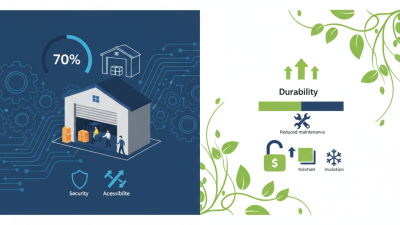
Choosing the right roll up gate for your business is crucial. The right gate not only protects your property but also enhances your operational efficiency. According to the American Security Industry Association, commercial roll up gates contribute significantly to business safety, reducing unauthorized access by up to 70%. This statistic highlights the importance of selecting the appropriate gate type.
Many factors come into play when considering a roll up gate. The material, size, and security features can vary greatly. For instance, steel gates are often more durable but can be heavier and require more effort to operate. Not all businesses need the same level of security, which makes it essential to assess your specific requirements. A mismatch in choice can lead to security vulnerabilities or operational inefficiencies that could affect your bottom line.
Furthermore, relying solely on aesthetic appeal or low cost can be misleading. Failure to consider the specific needs of your business could result in costly errors. Business owners should also seek expert advice to navigate the variety of options available. Understanding the pros and cons of each type of roll up gate is key to making an informed decision.
Factors to Consider When Selecting a Roll Up Gate for Your Business
When selecting a roll-up gate for your business, various factors impact your choice. One major consideration is material. Steel gates offer strength but can suffer from rust if not properly maintained. Aluminum, while lighter and resistant to corrosion, may not provide the same level of security. According to industry reports, over 40% of businesses experience theft due to inadequate security measures. Hence, choosing the right material becomes crucial.
Another important aspect is the gate's size and dimensions. Businesses must assess the space available. A gate that’s too large can hinder operations. Conversely, a gate that’s too small may restrict access. Data shows that 35% of industrial accidents are linked to improper gate sizes. Proper measurements and consultations with industry experts can mitigate this risk. Additionally, consider operational ease. Manual gates can interrupt workflow, while automated systems enhance efficiency. However, they often come with higher initial costs and maintenance requirements.
Safety features are vital as well. Some gates incorporate sensors to prevent accidents. In fact, around 50% of gate-related injuries involve malfunctions. Regular check-ups can ensure they function properly. Balancing security, accessibility, and safety creates a more effective solution. Each business requires a tailored approach based on unique needs and environments.
Factors to Consider When Selecting a Roll Up Gate for Your Business
Types of Roll Up Gates Available for Commercial Use
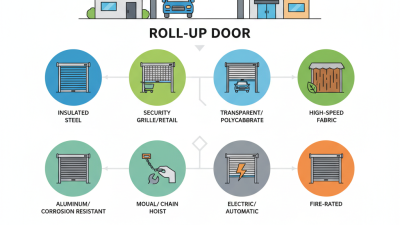
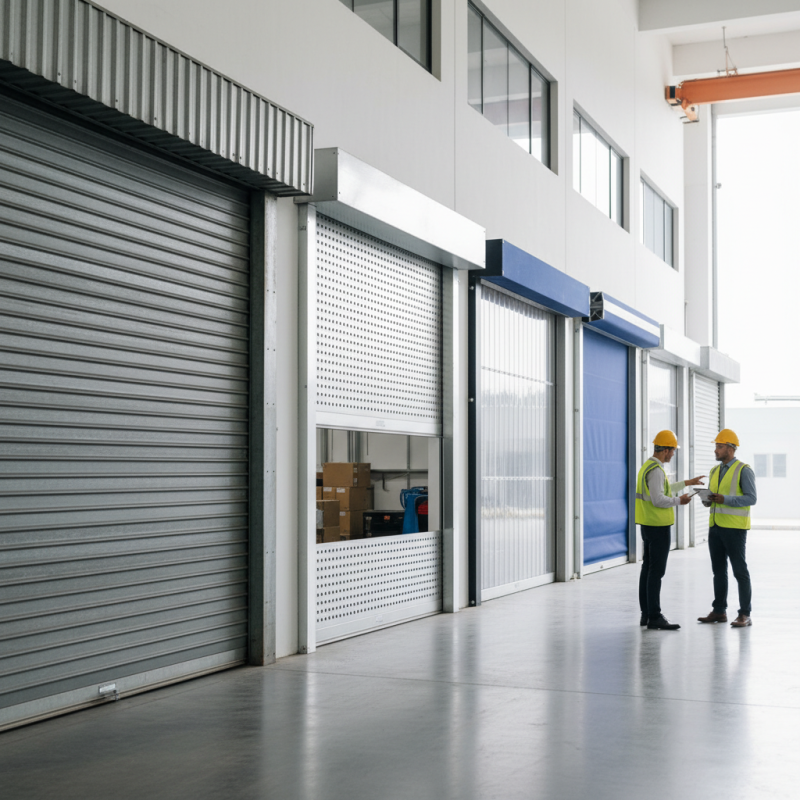
When selecting a roll-up gate for commercial use, understanding the various types available is crucial. One common option is the steel roll-up gate, known for its durability. These gates can withstand heavy usage and adverse weather conditions, making them ideal for warehouses or distribution centers. They are not the lightest option, but their robust nature offers peace of mind.
Another type is the aluminum roll-up gate. These are lighter and often preferred for storefronts or service entrances. Aluminum gates provide a blend of aesthetics and functionality, offering visibility and security while maximizing space. However, they may not be as strong as steel options, which can lead to potential concerns over safety and protection.
Lastly, consider the fabric roll-up gates. These are typically used for indoor spaces or loading docks. They are flexible, allowing for easy operation, but might lack the strength of steel. Each type has its pros and cons, requiring careful consideration based on specific needs. Reflecting on your business's requirements can help avoid costly mistakes in the long term.
Assessing Security Needs and Durability Requirements
When choosing a roll-up gate for your business, assessing security needs is crucial. Reports indicate that over 30% of business burglaries occur through inadequate entry points. A high-security gate offers peace of mind, reducing this risk significantly. Look for features like reinforced materials and tamper-proof locks. These elements are essential in boosting your gate's resilience against break-ins.
Durability is another vital factor. Industry studies reveal that gates made from high-grade steel can last over 15 years with proper maintenance. In contrast, low-quality gates may show wear in just a few years. Understanding your local climate can also affect durability. Exposure to extreme weather can corrode lesser materials quickly. Reviewing the gate’s specifications can provide insights into its expected lifespan and maintenance requirements.
Consider how often the gate will be used. A gate that frequently opens and closes must withstand more wear. Some businesses may need to evaluate their security systems regularly. While investing in a robust gate might seem costly, it can save you money in potential losses. Reflecting on these factors ensures you make an informed decision. Choosing the right roll-up gate is not merely a logistical choice; it’s an investment in your business’s security and longevity.
Evaluating Installation and Maintenance Considerations
When choosing a roll-up gate, installation and maintenance are critical aspects to consider. A well-installed gate enhances security and functionality. Assess the location where the gate will be installed. Ensure there’s enough space for the gate to operate. The surface must be level, aiding in smooth operation over time. Inadequate space can lead to frequent jams and malfunctions. A professional installer can ensure proper alignment and functionality, which can save you time and money.
Regular maintenance is vital for longevity. Check for wear and tear frequently. Small issues can escalate if left unchecked. Hinges and tracks should be lubricated to facilitate smooth movement. Corrosion can be a problem in certain environments, especially if the gate is exposed to moisture. Addressing these concerns immediately can prevent costly repairs. Ignoring them may lead to downtime, affecting your business operations. Investing time in maintenance can significantly extend the gate's lifespan while maintaining its reliability.
Budgeting for Your Roll Up Gate Investment
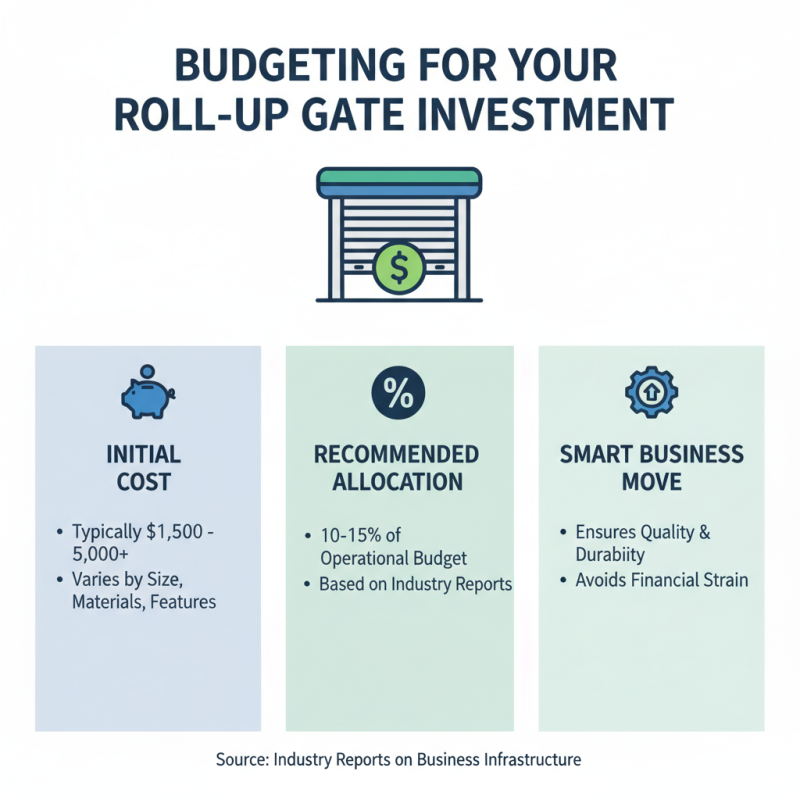
Budgeting for a roll up gate investment is crucial for any business. The initial cost can range significantly, often between $1,500 to $5,000, depending on features and materials. Industry reports suggest that businesses should allocate about 10-15% of their operational budget for such investments. This percentage allows for the purchase of quality gates without breaking the bank.
Tip: Prioritize essential features over aesthetics. While a modern look is appealing, functionality should be your main focus. Gates with insulated steel can offer long-term savings on energy costs. Research shows that businesses report a 20% reduction in energy bills after installing quality insulated gates.
Consider maintenance costs and potential repairs when budgeting. On average, maintenance can add an additional $200 to $500 annually. It's wise to factor in these ongoing expenses. Unexpected repairs can occur, so having a financial cushion is essential.
Tip: Consult with industry experts or gate engineers to understand your specific needs. They can provide valuable insights on installation costs and potential challenges. Investing time in research now can save you money later.