How to Choose the Best Garage Door for Your Home?
Choosing the right garage door is crucial for your home's security and aesthetic. A garage door serves as a first line of defense against intruders. It also influences your home’s overall curb appeal. Finding a suitable option requires understanding your personal needs and local climate.
Consider material, style, and insulation when selecting your garage door. Each choice affects durability and energy efficiency. Steel doors are strong but can dent. Wood doors offer beauty but require maintenance. Keep your budget and long-term costs in mind.
The process can be daunting, yet taking the time to reflect on your preferences is vital. Do you envision a modern look or a classic feel? Small decisions can make a significant impact. Engage professionals for insights, but trust your instincts, too. Your garage door will reflect your taste and enhance your home's value.
Selecting the Right Material for Your Garage Door
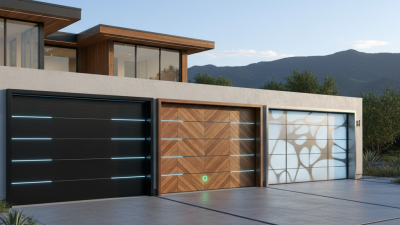
Choosing the right material for your garage door is crucial. Each option has its benefits and drawbacks. Steel doors offer durability and security. They resist dents and rust, making them a practical choice. However, they can become hot to the touch in summer. On the other hand, wood doors provide warmth and elegance. They can be customized easily. Yet, wood requires more maintenance.
Vinyl garage doors are another option. They are lightweight and resistant to dents and weather damage. However, they may lack the traditional appeal of wood or steel. Aluminum doors are a low-cost alternative. They are easy to install and maintain. Unfortunately, they may not be as strong as steel.
Each material has unique characteristics. Consider your climate, aesthetic preferences, and budget carefully. A garage door is a long-term investment. Ensure it aligns with your home style and functional needs. It's essential to weigh all factors thoroughly. Make a choice that suits your lifestyle and environment.
How to Choose the Best Garage Door for Your Home? - Selecting the Right Material for Your Garage Door
| Material |
Durability |
Insulation |
Maintenance |
Cost |
| Steel |
Very Durable |
Good |
Low Maintenance |
$800 - $2,500 |
| Wood |
Moderately Durable |
Excellent |
High Maintenance |
$1,000 - $3,000 |
| Fiberglass |
Moderately Durable |
Good |
Low Maintenance |
$1,000 - $2,200 |
| Aluminum |
Strong but Lightweight |
Moderate |
Low Maintenance |
$900 - $2,500 |
Understanding Different Garage Door Styles and Designs
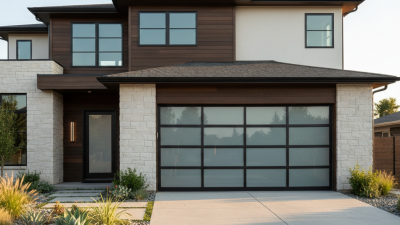
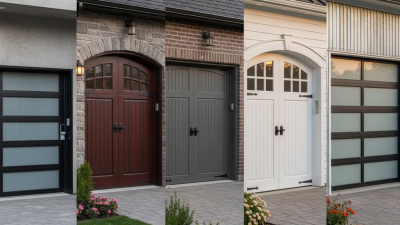
When selecting a garage door, style and design play a crucial role. Numerous styles exist, compelling homeowners to carefully consider their options. Traditional raised panel doors remain popular, offering a classic look that complements many home designs. Conversely, contemporary styles, like carriage house doors, blend modern aesthetics with functional designs. Data shows that 33% of homeowners prefer these styles for their strong visual appeal.
Material choice is just as essential. Steel doors provide excellent durability and security, praised for their low maintenance. Wooden doors, while visually stunning, require regular upkeep. They can warp if not properly treated. According to a report by the Door & Access Systems Manufacturers Association, 50% of homeowners feel overwhelmed by maintenance choices. This highlights the need for reliable information before making a decision.
Another factor to consider is energy efficiency. Insulated doors can reduce energy costs. A study by the U.S. Department of Energy reveals that insulated garage doors can save homeowners around 20% on heating and cooling costs. However, not all insulated doors are created equal, so thorough research is necessary. Many homeowners regret not fully understanding their door's R-value, impacting performance. A meticulous evaluation of design, material, and efficiency can lead to the best choice for your garage.
Evaluating Garage Door Insulation Options for Energy Efficiency
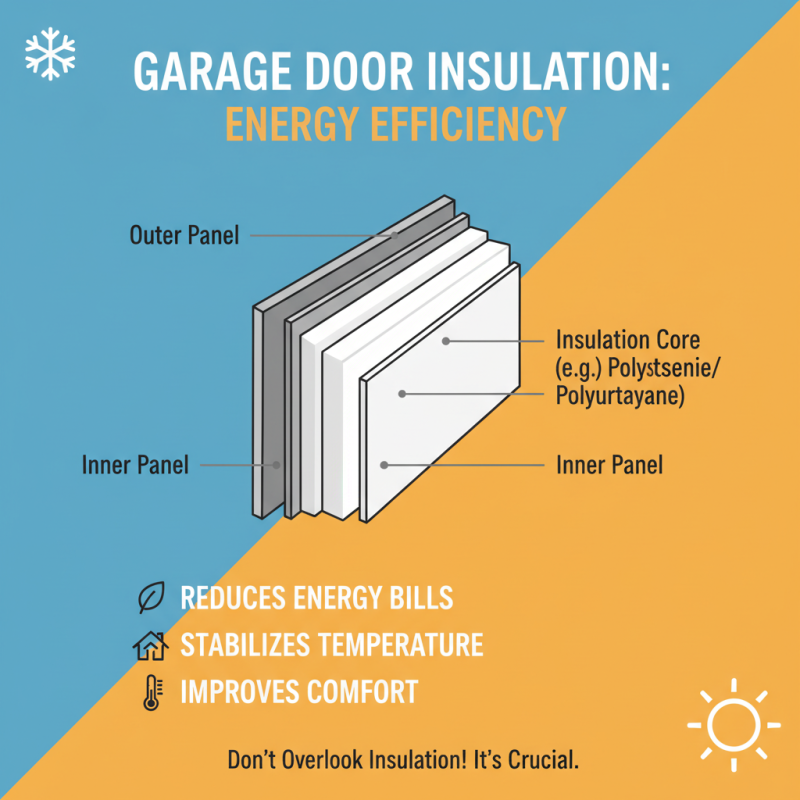
When choosing a garage door, insulation is vital. It impacts energy efficiency. Many homeowners overlook this aspect. An uninsulated door can lead to higher energy bills. It can also cause temperature fluctuations. This can affect your garage's overall comfort.
There are different types of insulation options. Polystyrene and polyurethane are popular choices. Polystyrene is less dense and cheaper. However, it may not offer the same thermal performance. Polyurethane, though pricier, provides better insulation. It can help maintain stable temperatures.
It's important to reflect on your needs. Consider your climate. If you live in extreme temperatures, insulation becomes critical. You might find yourself spending more to save later. Investing in a well-insulated door can enhance comfort. It can also increase your home’s value.
Considering Security Features in Garage Door Selection
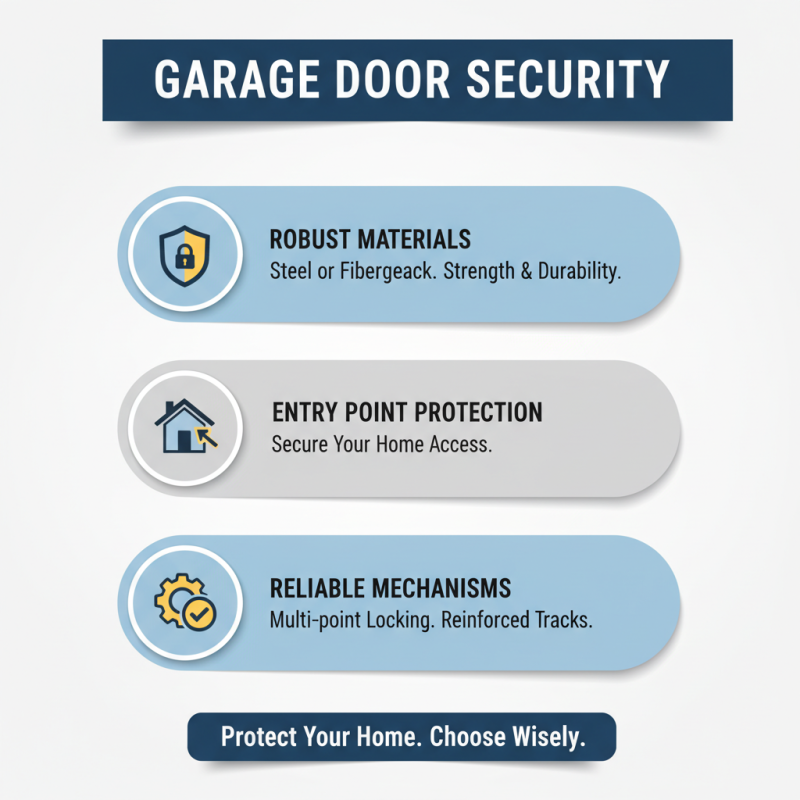
When selecting a garage door, security features are paramount. A garage often serves as an entry point to your home. You want to ensure that this access point is secure and reliable. Look for doors made from robust materials such as steel or fiberglass. These materials offer strength and durability against break-ins.
Consider the locking mechanisms as well. A rolling code or smart lock system can significantly enhance security. Such systems change codes frequently, making it hard for intruders to gain access. Additionally, ensure that the door has quality hinges and tracks. They should be designed for strength and security, reducing the risk of forced entry.
Tips: Always inspect the garage door for weaknesses. Look for gaps or areas where a burglar could exploit. Don’t forget about the opener. Choose one with features like auto-reverse and a security code. Regular maintenance of your garage door is essential. A well-maintained door can provide better security and function smoothly. Security does not have to compromise aesthetics, so choose a design that complements your home.
Assessing Budget and Maintenance Requirements for Garage Doors
When choosing a garage door, budget is a crucial factor. Quality doors can vary widely in cost. Setting a realistic budget helps narrow down options. Consider the long-term investment over initial savings. A cheaper door may require more repairs. Investing in quality can save money in the long run.
Maintenance is another important consideration. Different materials require different levels of upkeep. For example, wood doors need regular refinishing. Steel doors, on the other hand, might only need occasional cleaning. Assess how much time and effort you can dedicate to maintenance. This can impact your choice significantly.
Finally, think about energy efficiency. Insulated doors can reduce energy bills. They also improve comfort in adjacent rooms. Evaluate the climate in your area. A more insulated door may be a wise investment in extreme weather conditions. Balancing your budget with energy-saving features is key to making a smart choice.
Garage Door Budget vs. Maintenance Requirements