How to Choose the Best Roll Up Door for Your Business?
When selecting the ideal roll up door for your business, expert insights are invaluable. Mark Thompson, a renowned expert in the roll up door industry, emphasizes, "Choosing the right roll up door can significantly enhance both security and efficiency." Businesses often overlook the impact of this choice, leading to costly mistakes.
Roll up doors come in various materials, insulation options, and designs. Understanding your specific needs is crucial. Factors like traffic frequency and space constraints play a major role. For instance, a high-traffic area may require durable materials like steel. It's easy to assume any door will suffice, but the details matter greatly.
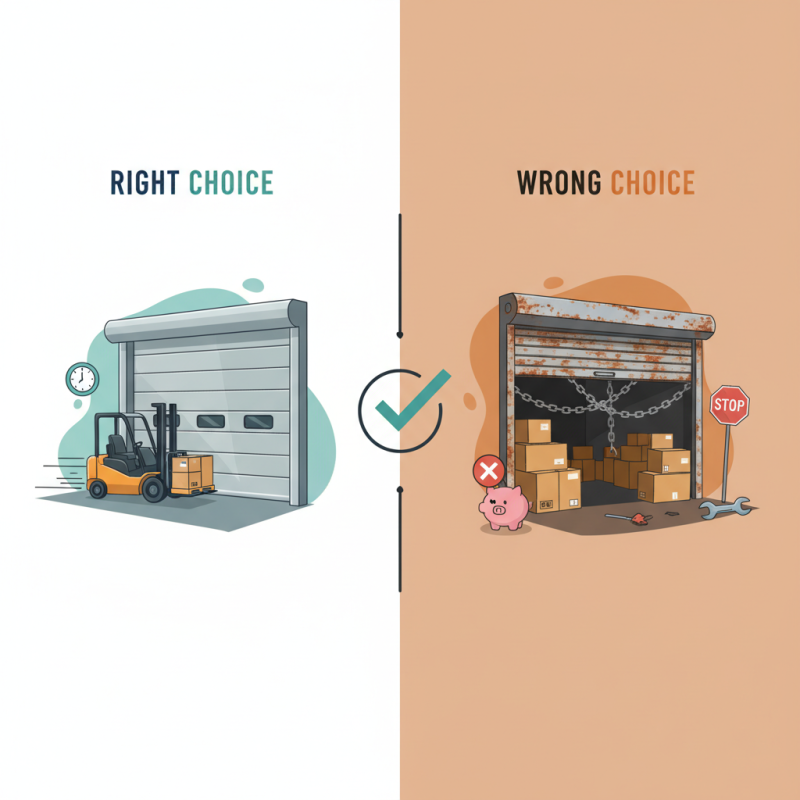
Many companies experience regrets after their selection. A well-chosen roll up door can streamline operations and improve safety. However, rushing the decision can lead to challenges. Take your time and reflect on what best fits your business environment.
Identification of Business Needs for Roll Up Doors
When selecting a roll up door for your business, identifying your needs is crucial. Different industries have distinct requirements that influence door choice. For instance, warehouses prioritize durability and security. According to a report by the National Association of Manufacturers, installed roll up doors can enhance energy efficiency, potentially reducing costs by 15-20%.
Space considerations are another key factor. Compact designs are essential for businesses with limited room. A facility's layout can impact door functionality. If space is too tight, conventional models may not fit. Considerations around loading and unloading areas are also vital. Inappropriate door choices can lead to bottlenecks, affecting operational efficiency.
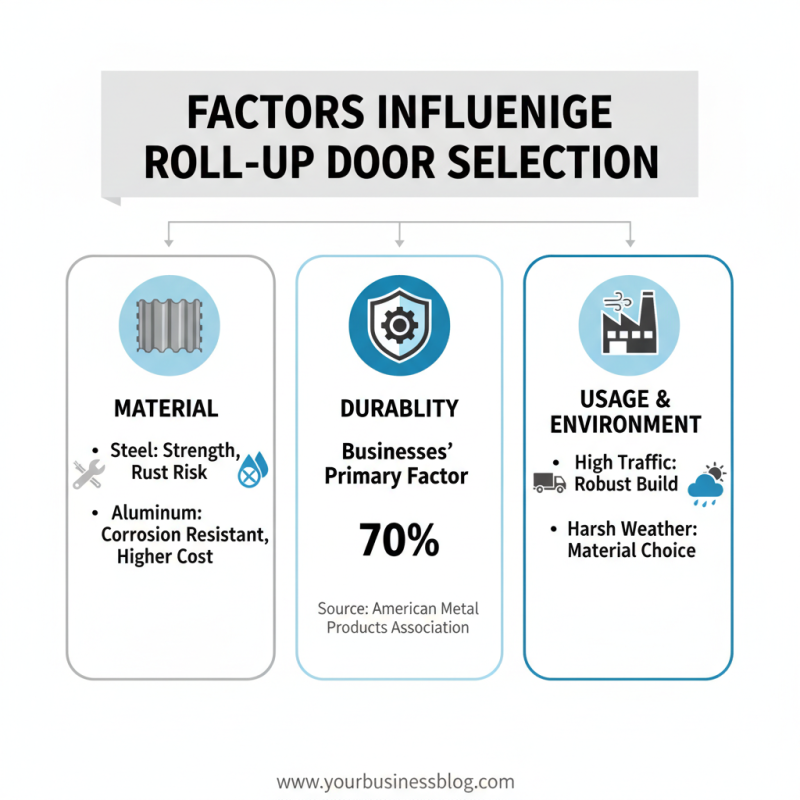
Material selection is equally important. Various materials offer different benefits. Steel is durable, while aluminum is lighter and more corrosion-resistant. A study by the Door and Access Systems Manufacturers Association indicates that businesses can reduce maintenance costs significantly by choosing the right material. However, it’s worth reflecting on long-term usability and potential repair needs. Balancing cost with quality is a delicate decision for many operators. Choices made today can resonate for years.
Roll Up Door Features Comparison
Comparison of Different Types of Roll Up Doors
When selecting the right roll-up door, consider the various types available. One common option is the steel roll-up door. These doors are strong and durable, making them ideal for heavy-use environments. They offer excellent security and can withstand frequent openings and closings. However, they may require a significant investment upfront.
Another popular choice is the aluminum roll-up door. This type is lighter and offers better aesthetics. Aluminum doors are resistant to rust and corrosion, making them suitable for coastal areas. Yet, they may not provide the same level of security as their steel counterparts. Weighing the pros and cons is crucial.
Fabric roll-up doors present a more flexible solution. These doors are often used in warehouses and service areas. They are easy to operate and can be customized for different applications. However, they may not offer the same durability as metal options and could need more maintenance over time. Evaluate your business needs and the environment to make an informed decision.
Maintenance and Durability Considerations
When choosing a roll-up door, consider maintenance and durability. A door that requires minimal upkeep can save time and costs. Regular inspections can identify potential issues early. Look for doors with durable materials. These resist wear and tear, extending the door's lifespan.
Tips: Inspect hinges and tracks often. Dust and debris can accumulate, leading to malfunctions. Simple cleaning can prevent serious problems later.
Another aspect is the weather resistance of the door. If your location faces harsh conditions, choose materials that withstand elements. This decision impacts durability significantly.
Tips: Consider using weatherstripping. It provides an extra layer of protection against moisture and pests. Regular maintenance can enhance the door's performance. Make time for these checks. Task completion is important, even if it feels tedious sometimes.
How to Choose the Best Roll Up Door for Your Business? - Maintenance and Durability Considerations
| Feature |
Consideration |
Maintenance Tips |
Durability Rating |
| Material |
Steel vs. Aluminum |
Regular lubrication of hinges |
High for steel; Moderate for aluminum |
| Opening Mechanism |
Manual vs. Automatic |
Check the electronic components monthly |
Moderate for manual; High for automatic |
| Weather Resistance |
Rain and Wind Ratings |
Inspect seals regularly for wear |
High for weather-sealed doors |
| Security Features |
Locks and Reinforcements |
Test locks for functionality |
High for reinforced doors |
| Cost |
Initial Investment vs. Long-Term Value |
Budget for routine maintenance |
Varies based on material and features |
Cost Analysis and Budgeting for Roll Up Doors
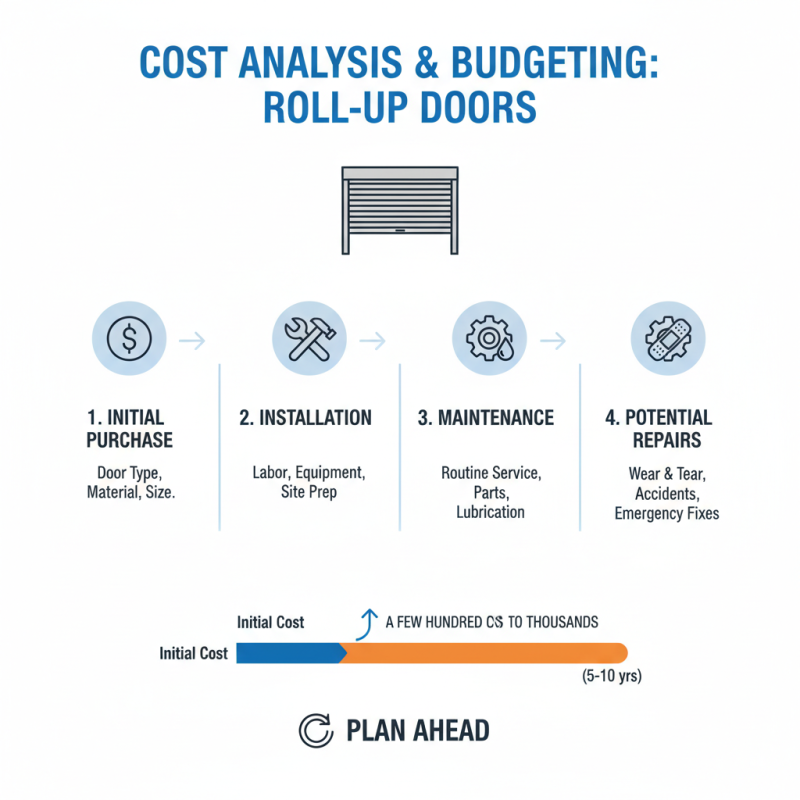
When selecting a roll-up door for your business, budgeting is crucial. Costs can vary widely. Understanding your financial limits is essential for making a wise choice. Expect to allocate funds not just for the door itself but also for installation, maintenance, and potential repairs. A few hundred dollars could escalate into thousands over time if not carefully planned.
Tips for budgeting include obtaining multiple quotes. This practice ensures you compare options effectively. Don't forget to consider the longevity of the door. A cheaper option may cost you more in repairs and replacements later on. Additionally, explore potential financing options. Some suppliers offer plans that can ease the upfront costs.
Pay attention to hidden expenses. For example, if your location requires permits or additional structural supports, those can add significantly to your initial budget. Always factor in these potential pitfalls. Ultimately, a careful financial analysis can lead to better decisions, reducing future stress.