2026 Best Handyman Tips to Fix Your Garage Door Now
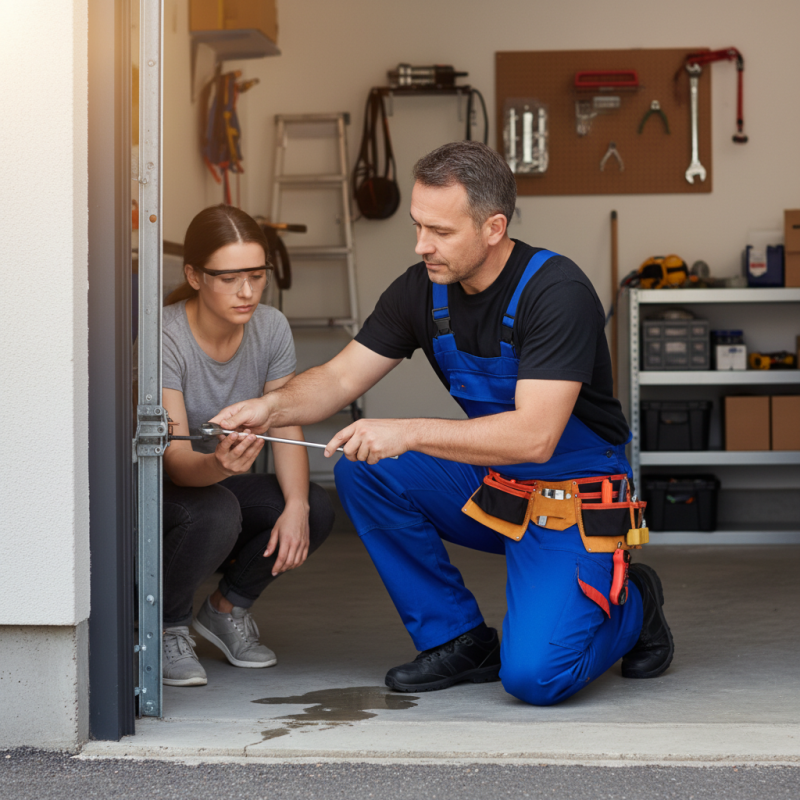
When your garage door malfunctions, it can disrupt daily routines. A reliable handyman to fix garage door issues can save you time and stress. Small problems often lead to bigger complications. Ignoring a squeaky or unresponsive door could result in costly repairs later.
As you assess your garage door, consider common issues. Are the sensors aligned? Is there wear on the rollers? These details matter. Even a minor adjustment can enhance functionality. Seeking professional help could feel unnecessary for slight issues, yet it often proves wise.
Every homeowner encounters challenges with garage doors. This task may feel daunting, but with the right handyman to fix garage door problems, solutions are within reach. A proactive approach leads to greater safety and convenience. Remember, neglecting these repairs might leave you with more than just a stuck garage door.
Common Garage Door Problems and Their Symptoms
Garages often face specific issues that become apparent over time. One common problem is a door that won’t open or close properly. If you notice your garage door moving slowly or getting stuck, it's a sign of potential misalignment. Loose hardware can also be a culprit, making the door wobble or shake during operation.
Another issue is unusual noises during the opening or closing process. These sounds might indicate that the rollers, tracks, or springs need lubrication. A squeaking door can be more than just annoying; it often suggests wear and tear. If water leaks are noticed when it rains, there could be significant damage to the door seals, leading to future insulation problems.
Pay attention to the remote control's responsiveness. If it requires multiple attempts to work, the batteries might be low, or the sensor may need cleaning. This seemingly simple issue can be frustrating, but neglect can lead to bigger problems. Overall, being aware of these symptoms helps you identify problems early and address them appropriately.
2026 Best Handyman Tips to Fix Your Garage Door Now
| Problem |
Symptoms |
Potential Causes |
Fix |
| Garage Door Won't Open |
No response when pressing the remote |
Dead battery, damaged cables, or motor failure |
Check batteries, inspect cables, and service the motor |
| Garage Door Is Stuck |
Door stops midway and won’t continue |
Obstructions, misaligned tracks, or damaged rollers |
Clear obstructions, realign tracks, and lubricate rollers |
| Garage Door Makes Noise |
Grinding, squeaking, or banging noises during operation |
Worn-out rollers, lack of lubrication, or loose hardware |
Lubricate all moving parts and tighten loose screws |
| Garage Door Closes Randomly |
Door opens and then closes without command |
Faulty sensors or issues with the opener |
Check sensor alignment and replace malfunctioning components |
| Garage Door Opens Slowly |
Takes a long time for the door to fully open |
Lubrication issues or insufficient power supply |
Lubricate tracks and rollers; ensure power supply is adequate |
Essential Tools for Garage Door Repair
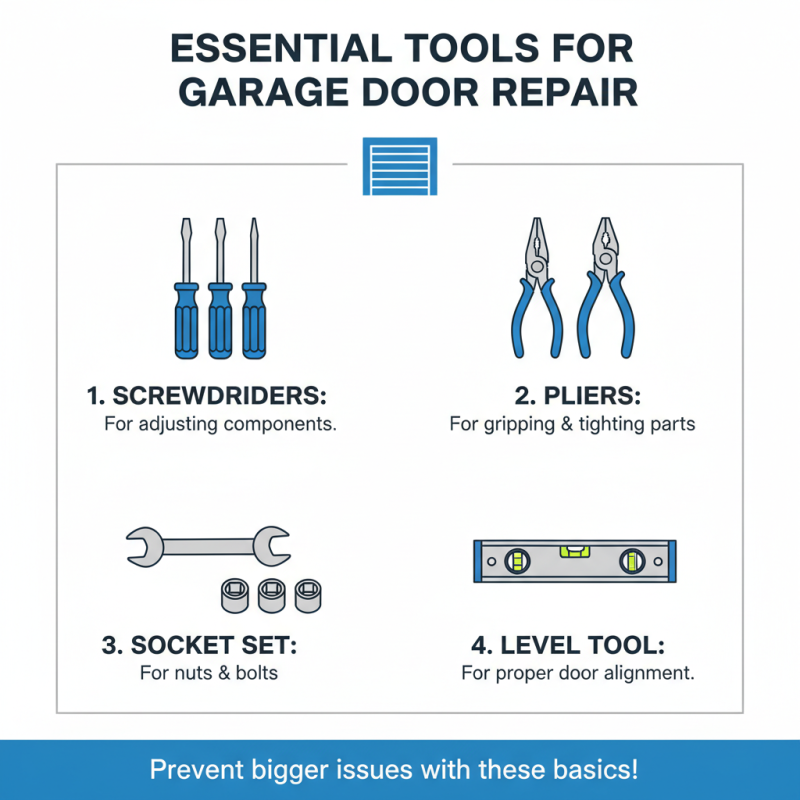
To tackle garage door repairs effectively, having the right tools is essential. A sturdy toolbox should include a set of screwdrivers, pliers, and a socket set. These tools are vital for adjusting and tightening components. Additionally, investing in a level can help ensure your door is aligned properly. It's easy to overlook these basics, but a small misalignment can lead to bigger issues.
When working on repairs, consider safety first. Always wear protective gloves and eyewear. Don't forget a ladder for high adjustments. It's common to underestimate the importance of safety gear, but a simple slip can result in injury. Mistakes happen, so take your time and double-check each step.
A practice tip: before starting, inspect your garage door mechanism. Listen for strange noises while operating it. This can reveal underlying problems. If you notice a grinding sound, it might indicate worn rollers. Ignoring these signs can lead to more costly repairs down the line. Make adjustments gradually, as hasty changes might lead to further complications.
Step-by-Step Guide to Lubricating Your Garage Door
If your garage door is sticking or making noise, it may need lubrication. The process is simple and can save you from costly repairs. Start with gathering a few supplies: lubricant spray, a cloth, and a ladder. Always choose a silicone-based lubricant, as it’s less sticky and effective.
To begin, wipe down the garage door tracks with a cloth. This step removes dust and debris. Once clean, apply the lubricant. Spray it evenly on the tracks and hinges. Move the door up and down a few times. This action helps the lubricant spread properly.
Here are some tips to keep in mind. Avoid over-lubricating; too much can attract dirt. Check for rust or damage while you work. If you see issues, note them down for future repairs. Regular maintenance can prolong the life of your garage door, saving you time and money.
Tips for Adjusting Garage Door Springs Safely
Adjusting garage door springs is a task that requires caution. These springs are under high tension and can be dangerous. Always wear protective gear, including gloves and safety goggles. Keep your workspace clean and free of distractions. Focus is key to safety.
Before attempting any adjustments, disconnect the power to your garage door opener. This step prevents accidental activation. Use a step ladder to reach the springs if necessary. For torsion springs, measure the distance from the center of the spring to the end. Adjust in small increments. It’s easy to go too far and create more issues.
Sometimes, springs may look fine but still cause problems. Listen for strange noises when operating the door. They can signal underlying issues that need attention. Adjustments can be tricky, and it’s okay to feel uncertain. If you’re unsure, calling a professional may be the best option. Remember, safety should always come first.
Garage Door Spring Adjustment Tips
This chart illustrates the recommended adjustment times for garage door springs based on the frequency of use. Keeping your garage door in optimal condition ensures safety and efficiency.
When to Call a Professional for Garage Door Issues
When it comes to garage door issues, knowing when to call a professional is crucial. Many homeowners underestimate the complexity of garage doors. A minor issue can quickly escalate into a major problem if not addressed correctly. Strange noises, slow movement, or misalignment could indicate deeper issues like worn springs or a malfunctioning opener. Ignoring these signs can lead to costly repairs.
Sometimes, DIY fixes seem appealing. However, not all problems are suited for a quick fix. For instance, if your door refuses to budge or opens unevenly, it's wise to step back. You might think it’s a simple adjustment. But, improper handling could result in injury or further damage. Safety should always come first.
There are cases where expertise is necessary. If your door has extensive damage or the tracks are bent, professionals have the right tools. Their experience ensures a thorough inspection, preventing future troubles. It’s easy to be tempted by quick solutions, but sometimes it’s just not worth the risk. Understanding when to seek help is part of being a responsible homeowner.