What are the Best Garage Door Panel Options for 2026?
Choosing the right garage door panel is essential for enhancing your home's curb appeal. In 2026, various options are available to suit different tastes and requirements. Whether you seek a modern look or a classic design, understanding your options is crucial.
Garage door panels come in various materials, including steel, wood, and fiberglass. Each has unique benefits. For example, steel panels provide durability and low maintenance. However, they may lack the charm of wooden panels, which offer warmth and beauty but require more upkeep. Balancing aesthetics and practicality is often challenging.
Innovative technologies are emerging to transform garage door panels. Energy-efficient panels can help regulate temperature, reducing energy costs. Yet, not every homeowner may prioritize energy efficiency. Exploring these options raises important questions about your needs and preferences. What style reflects your personality? How much maintenance are you willing to perform? Such reflections will guide you in selecting the best garage door panel for your home.
Top Trends in Garage Door Panel Design for 2026
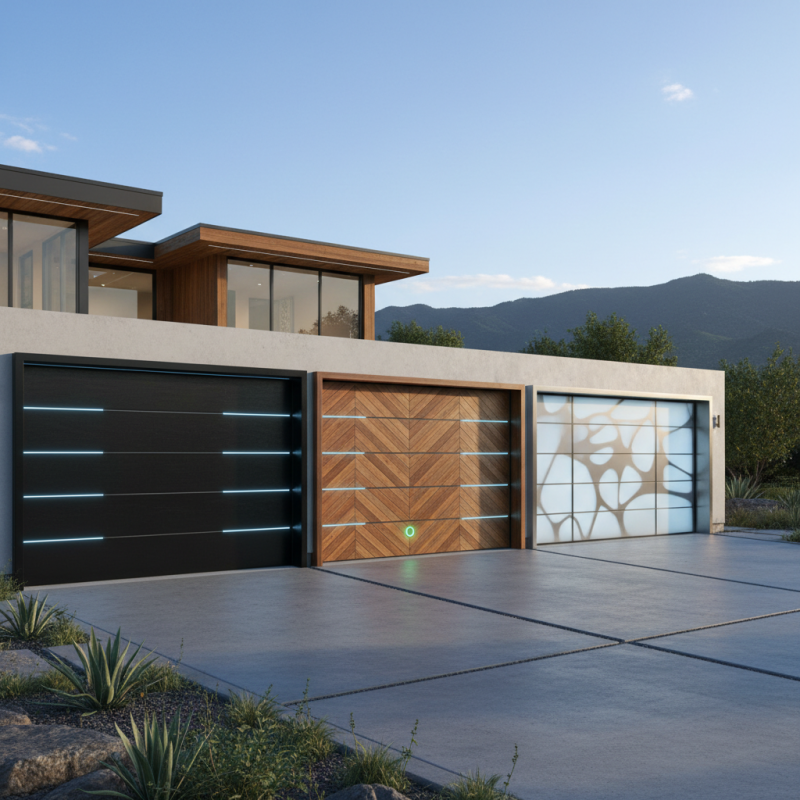
The garage door panel designs for 2026 are shifting towards minimalism. Industry reports indicate that 65% of homeowners prefer clean lines and simpler aesthetics. Dark colors, such as charcoal and navy, are becoming more popular. They provide a modern touch, enhancing curb appeal without overwhelming the overall look.
Another trend is the focus on eco-friendly materials. Around 54% of consumers now prioritize sustainability in their purchasing decisions. Recycled steel and composite materials are gaining traction. These options not only reduce environmental impact but also offer durability and energy efficiency. However, the market still faces challenges in sourcing sustainable materials at scale.
Texture is also evolving. Homeowners are exploring options beyond flat panels. Textured finishes, like wood grain or embossed patterns, are rising in demand, with a noted 30% increase in interest over the past year. Yet, manufacturers must ensure these textures do not compromise the door's functionality. Balancing aesthetic appeal and performance remains critical. Design innovation is vital, yet it requires careful consideration of practicality.
Materials Comparison for Garage Door Panels: Steel, Wood, and More
When choosing garage door panels, material plays a crucial role. Steel, aluminum, and wood are three popular options, each offering unique benefits and challenges.
Steel is durable and low-maintenance. However, it may dent easily and can rust without proper treatment.
Aluminum panels are lightweight and resistant to corrosion but might lack the robust appearance that some homeowners desire.
Wood, on the other hand, presents a classic charm. It can be painted or stained to match your home’s aesthetic. Yet, wood requires regular upkeep to prevent warping and rot. Although it offers warmth and timeless beauty, the long-term maintenance can be demanding.
Newer materials, like composite or fiberglass, have emerged. These options combine the best features of wood and steel. They resist moisture and have less maintenance than traditional wood. That said, these materials might not have the sturdy feel of solid wood or steel. As we approach 2026, homeowners must weigh their choices carefully, considering both style and practicality.
Energy Efficiency in Garage Door Panels: What to Look For
When selecting energy-efficient garage door panels, insulation is key. Look for panels with high R-values. This means better thermal resistance. A well-insulated door keeps your garage warm in winter and cool in summer. Some materials, like steel, provide excellent insulation when combined with foam cores.
Window placement can also affect energy efficiency. Consider how much light you want. Large windows can warm the space but may increase energy costs. Smaller, strategically placed windows may offer a balance. Also, check for weather stripping. Quality seals reduce air leaks, improving energy savings.
Remember, aesthetics isn't everything. A beautiful door might lack efficiency. Do your research and prioritize energy efficiency over appearances. Reflect on what works best for your home and budget. Test different options if possible. This can help you find the right balance between energy conservation and visual appeal.
What are the Best Garage Door Panel Options for 2026? - Energy Efficiency in Garage Door Panels: What to Look For
| Panel Type |
Insulation R-Value |
Material |
Energy Efficiency Rating |
Expected Lifespan |
| Steel |
16-20 |
Steel |
High |
15-30 years |
| Aluminum |
10-14 |
Aluminum |
Moderate |
10-20 years |
| Fiberglass |
14-18 |
Fiberglass |
High |
15-25 years |
| Vinyl |
8-10 |
Vinyl |
Low |
20-30 years |
| Wood |
R varies |
Wood |
Variable |
15-20 years |
Customizable Features for Garage Door Panels in 2026
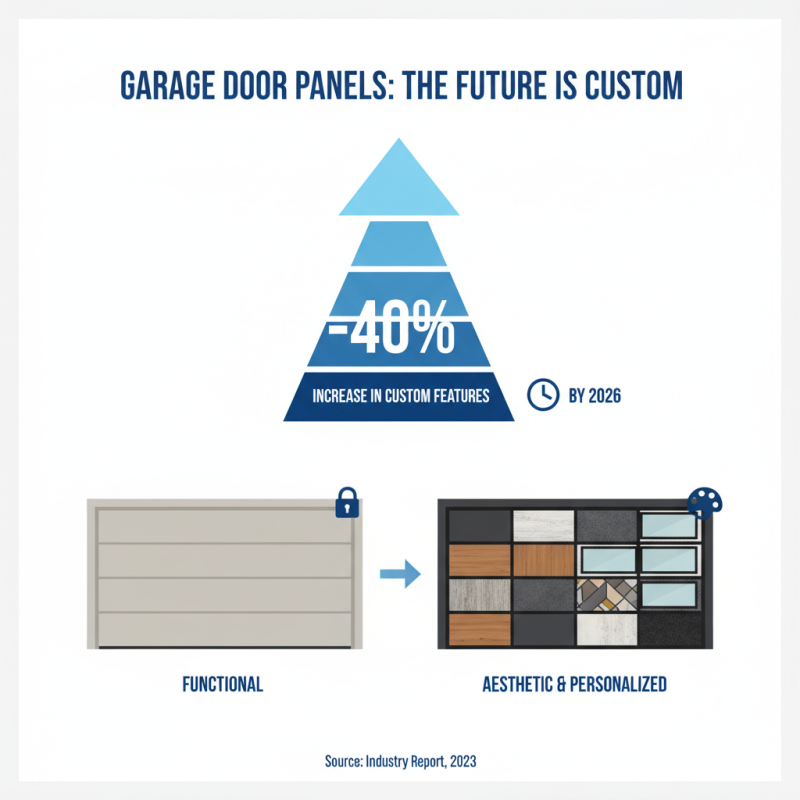
As we approach 2026, the trend in garage door panels is leaning heavily toward customization. Homeowners want options that reflect their personal taste. A recent industry report indicates that customizable features are expected to increase by 40% in the next three years. This shift shows that people prioritize aesthetics alongside functionality.
Many are choosing materials like fiberglass and steel for their durability. These materials offer a range of colors and textures, which enhances design flexibility. Textured finishes, for example, can mimic wood grain, providing an elegant look without the maintenance hassle. However, this variety can also create confusion. With so many choices, homeowners may feel overwhelmed. It’s crucial to weigh the pros and cons of each material and finish before making a decision.
Energy efficiency is another key aspect. Insulated panels are becoming more popular as they help reduce energy costs. According to a survey, 70% of consumers are now considering energy efficiency in their selections. This brings a challenge: balancing style with efficiency. Finding the right panel that aligns with both personal style and environmental goals takes time and thought. Making an informed choice can significantly affect comfort and aesthetics for years to come.
Maintenance and Durability of Garage Door Panel Options
When considering garage door panels, durability and maintenance are key factors. The choice of materials significantly impacts how well panels withstand the elements. Steel panels are tough and resist dents. However, they can rust if not properly maintained. A simple yearly inspection and a fresh coat of paint can help preserve their integrity.
Wood panels offer a classic look but require more care. They need regular sealing and painting to prevent warping. Fading color can be frustrating. Composite materials provide a good middle ground, mimicking wood without the same maintenance demands. Yet, their longevity can vary, and some homeowners find themselves replacing panels sooner than expected.
In the end, choosing the best option may lead to rethinking your priorities. Are aesthetics more important than maintenance? Each material presents unique challenges. Reflecting on your habits and environment can guide better decisions. Balancing looks and upkeep is the tricky part that many overlook.
What are the Best Garage Door Panel Options for 2026?