2025 Guide: How to Adjust Your Garage Door Track for Smooth Operation
When it comes to ensuring the longevity and efficient performance of your garage door, few components are as crucial as the garage door track. Adjusting the track properly can mean the difference between smooth operation and an unexpected malfunction. Expert technician, John Smith, a well-respected figure in the garage door industry, emphasizes the importance of maintenance by stating, "A well-aligned garage door track not only enhances the door's functionality but also extends its lifespan."
In this guide, we'll take you through the process of adjusting your garage door track to achieve seamless operation. Understanding how to identify misalignment and take corrective measures can save you both time and money. Whether you're a seasoned DIY enthusiast or a first-time homeowner, mastering the nuances of garage door track adjustments will empower you to maintain your door effectively.
By following our step-by-step instructions, you'll gain the confidence to tackle this essential task. With the right knowledge and tools, you'll enhance your garage door's performance and ensure it operates smoothly for years to come. Join us as we explore the essential techniques that keep your garage door running like new.

Understanding Garage Door Track Systems and Their Importance
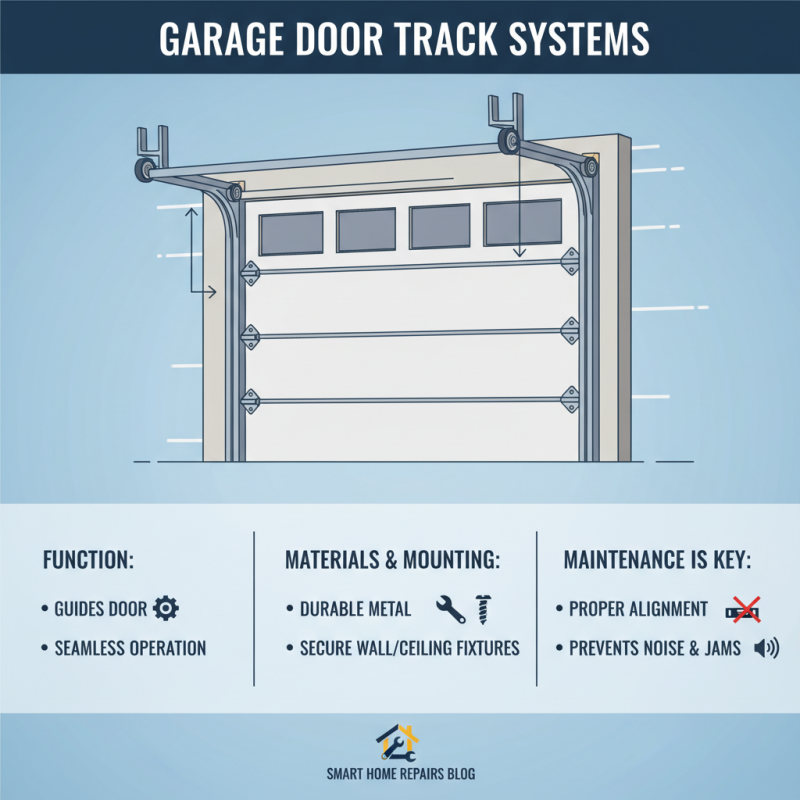
Understanding garage door track systems is crucial for ensuring the smooth operation of your garage door. These tracks serve as the guiding pathway for the door, allowing it to open and close seamlessly. Made from durable materials, garage door tracks are typically mounted securely to the walls and ceiling of the garage, providing a stable framework that withstands the weight and movement of the door. Proper alignment and maintenance of these tracks are essential, as even minor misalignments can lead to significant operational issues, including noise, jamming, or complete malfunction of the door.
An effective garage door track system is characterized by its ability to facilitate smooth and efficient movement. It enables the door to glide up and down effortlessly, reducing strain on other components, such as the garage door opener and springs. Regular inspections can help identify signs of wear, such as bends or dirt accumulation, which can impede performance. By understanding the components of the track system and their function, homeowners can take preventive measures to maintain their garage doors, ensuring long-lasting and reliable operation.
Tools and Materials Needed for Adjusting Garage Door Tracks
When adjusting your garage door track for smooth operation, having the right tools and materials at hand is crucial for a successful process. Begin by gathering essential tools such as a socket wrench set, screwdrivers (both flat and Phillips), a rubber mallet, and measuring tape. These will help you remove screws, make precise adjustments, and ensure everything is aligned correctly. Additionally, a level is important to verify that the tracks are straight and properly positioned, which is vital for the door's functionality.
In terms of materials, it's advisable to have replacement hardware on standby. This may include new bolts, nuts, and washers, which can provide better stability and support for the tracks. A lubricant such as silicone spray or garage door oil is also essential for reducing friction and ensuring that the moving parts operate smoothly after adjustments are made. By preparing these tools and materials beforehand, you can streamline the adjustment process and enjoy a more efficient garage door system.
Step-by-Step Guide to Properly Aligning Garage Door Tracks
Aligning your garage door tracks is essential for ensuring smooth operation and preventing potential malfunctions. Begin by gathering the necessary tools, such as a level, adjustable wrench, and a screwdriver.
Start by disconnecting the garage door opener, allowing you to operate the door manually. Inspect the tracks for any visible damage or debris that could obstruct the door's movement. Clean the tracks thoroughly, removing dirt and grime, which can hinder performance.
Next, use a level to check the alignment of both vertical and horizontal tracks. The vertical tracks should be plumb, meaning they are perfectly vertical, while the horizontal tracks should follow the same slope as the garage ceiling. If the tracks are misaligned, use the adjustable wrench to loosen the bolts that secure them. Carefully reposition the tracks until they are aligned correctly, and then retighten the bolts. Finally, manually open and close the garage door to ensure it operates smoothly. If the door binds or gets stuck at any point, further adjustments may be necessary for optimal performance.
Common Issues with Garage Door Tracks and Their Solutions
When dealing with garage doors, the track is a crucial component that ensures smooth and reliable operation. Common issues that can arise with garage door tracks include misalignment, bending, and dirt accumulation. Misalignment often results in a noisy door or even jams during operation. To address this, check the brackets that hold the track in place and ensure they are securely fastened. If the track is only slightly misaligned, adjusting the screws can help realign it. If there's significant bending, you may need to replace the affected section to restore proper function.
Dirt and debris can also obstruct the track, impeding the smooth movement of the garage door. Regular cleaning is essential; using a damp cloth to remove grime and lubricating the track with a suitable garage door lubricant will facilitate smoother operation. In some cases, rollers may become worn out or damaged through regular use, leading to increased friction and noise. Inspecting the rollers periodically and replacing them when necessary can significantly improve the door’s performance. By addressing these common issues proactively, you can ensure your garage door functions smoothly for years to come.
Common Issues with Garage Door Tracks and Their Solutions
Safety Precautions to Consider When Adjusting Garage Door Tracks
When adjusting your garage door tracks, safety should always be your top priority. Before beginning any adjustments, ensure that the power to the garage door opener is disconnected. This prevents accidental activation while you’re working. Additionally, wear safety goggles and gloves to protect against debris and sharp edges that can be encountered during the process. It’s also wise to have someone nearby to assist you, especially if you’re lifting heavy components or if you need a second pair of hands to keep the door steady.
Tips: Start by visually inspecting the tracks for any obvious bends or misalignments. Use a level to ensure that the tracks are perfectly vertical. If you do find any issues, gently hammering them back into place or utilizing a wrench to loosen and adjust the mounting hardware can often solve the problem. Remember to check the rollers as well, as worn-out rollers can lead to more significant track issues. A quick lubrication of the rollers and tracks can enhance the door's performance and smoothness.
Maintain a clean working area free of clutter to avoid tripping hazards while you’re adjusting the track. Being organized not only improves safety but also makes the task more efficient. If you encounter significant resistances or complications, it might be best to consult a professional, as they possess the necessary tools and experience to resolve more complex issues safely.
2025 Guide: How to Adjust Your Garage Door Track for Smooth Operation - Safety Precautions to Consider When Adjusting Garage Door Tracks
| Step |
Description |
Safety Precaution |
| 1 |
Disconnect the garage door opener from the power source. |
Always ensure power is disconnected to avoid accidental activation. |
| 2 |
Inspect the garage door track for obstructions and damage. |
Wear gloves to avoid injury from sharp edges or debris. |
| 3 |
Loosen track mounting screws using a wrench. |
Use appropriate tools and ensure they are in good condition. |
| 4 |
Adjust the track to align it properly. |
Keep hands clear of moving parts while adjusting. |
| 5 |
Tighten the screws securely after adjusting. |
Check for loose tools or parts to avoid accidents. |
| 6 |
Reconnect the garage door opener to the power source. |
Ensure no one is near the door when reconnecting. |
| 7 |
Test the garage door operation for smooth movement. |
Perform periodic maintenance to keep the door operating safely. |